Clean or Dirty: An Analytical Comparison for Home Hygiene
An analytical, side-by-side look at clean vs dirty conditions, factors driving cleanliness decisions, and practical steps to balance health, time, and costs in everyday spaces.


Defining 'Clean' and 'Dirty': A Conceptual Framework
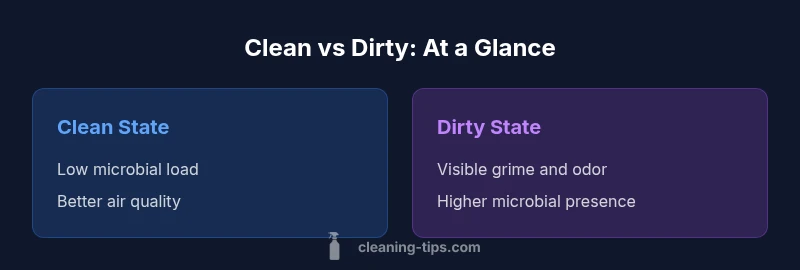
According to Cleaning Tips, the terms clean and dirty are not merely aesthetic judgments but practical indicators of risk, habit, and maintenance strategy. In everyday life, 'clean' suggests surfaces with low microbial load, minimal residue, and orderly appearance. 'Dirty' signals grime buildup, potential microbial presence, sticky residues, or odors. The distinction matters most on high-touch surfaces and in spaces with vulnerable people. The clean or dirty status is a continuum, not a fixed label, and it shifts with use, time, and environmental conditions. Adopting this mindset helps homeowners allocate effort where it yields the greatest health and efficiency gains.
From a health perspective, ‘clean’ implies a reduced likelihood of skin irritation, respiratory issues, and allergen accumulation, while ‘dirty’ correlates with higher exposure to particulates and microbes. Yet there is no universal threshold that defines the moment to switch from light cleaning to disinfection; decisions hinge on context, surface type, and occupant health. Across rooms, the same surface can be clean in one moment and dirty in the next depending on traffic, spills, and humidity. This nuanced view supports a practical cleaning plan rather than an obsessive pursuit of perfection.