Clean Up From Water Damage: Step-by-Step Guide
A comprehensive, expert-led guide to clean up from water damage safely. Learn to assess, remove water, dry thoroughly, disinfect, prevent mold, and document for insurance.


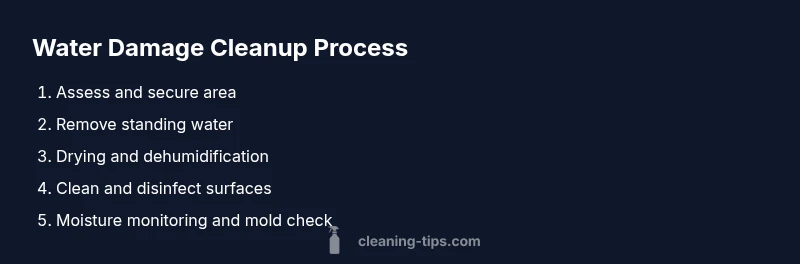
By the end of this guide you will know how to clean up from water damage safely and effectively. You’ll learn to assess the extent of damage, safely stop the water source, remove standing water, dry the area thoroughly, disinfect all surfaces, and implement mold-prevention steps to protect your home.
Why clean up from water damage matters
Water intrusion compromises more than just visible surfaces. If left unaddressed, moisture seeps into walls, floors, and foundations, inviting mold growth, wood rot, and structural instability. Health risks include mold spores and bacteria that can aggravate allergies and asthma, especially for children and the elderly. According to Cleaning Tips, taking fast, deliberate steps minimizes damage and reduces long-term remediation costs. Clean up from water damage isn’t just about quick drying; it’s about restoring humidity levels, preventing secondary damage like warped trim or peeling paint, and protecting indoor air quality. In most cases, the longer water sits, the more materials degrade and the more invasive the repairs will be. The goal is to limit exposure, document the extent of the damage, and begin drying as soon as it’s safe. This chapter outlines a practical, safety-first approach that homeowners and renters can follow with common tools and techniques.
Assessing and securing the space
Before you start, ensure safety and simplify the cleanup by assessing the area. If there is active electrical contact with water, do not step into the area or touch wet surfaces; if needed, turn off the main power at the breaker with a cautious approach. Protect yourself with appropriate PPE: an N95 mask, non-latex gloves, and goggles. Inspect for hazards such as exposed wiring, slippery floors, or compromised structural components like sagging drywall. Determine the source of the water and whether it is still flowing. If the source is still active (broken pipe or faulty appliance), turn it off at the shutoff valve or call a professional plumber. Finally, isolate the affected area with plastic sheeting to prevent moisture spread to unaffected rooms.
Removing water and reducing damage
Prompt water removal is critical. Use a wet-dry vac for pooling water and a pump for larger volumes, if available, to extract standing water from floors and low spots. Mop and blot surfaces to remove residual moisture, and move absorbent materials like rugs or drapes to a dry, ventilated space. Do not agitate or scrub damaged areas aggressively, as that can embed contaminants into porous materials. If you must remove items, bag and seal them for later assessment. Keep a log of what you removed and what you found, including estimates of water volume. The goal is to reduce moisture so drying and sanitizing can begin without lingering dampness providing a home for mold.
Drying thoroughly: air and humidity control
Drying out a structure requires airflow and controlled humidity. Open doors and windows where weather permits, and place fans to circulate air across walls, ceilings, and floors. Use a dehumidifier to pull moisture from the air—set humidity targets to well below 60 percent, ideally between 30 and 50 percent if conditions allow. If you detect persistent dampness behind walls, you may need to remove baseboards or sections of drywall to expose hidden pockets of moisture. Monitor humidity with a moisture meter and check for musty odors that indicate lingering dampness. The key is to maintain ongoing airflow for 24–72 hours or longer in more severe cases, and to avoid reintroducing moisture by leaving damp items in contact with every surface.
Cleaning, sanitizing, and mold prevention
Once visible moisture is controlled, clean and sanitize all affected surfaces. Use plain soap and water for initial cleaning of non-porous surfaces, then apply EPA-registered cleaners or a bleach solution following the product label for disinfection. Take care when mixing cleaners; never combine bleach with ammonia or other cleaners. Porous materials like drywall, carpets, and insulation may need to be removed if they cannot be dried thoroughly. After cleaning, monitor for mold growth: look for musty odors, dark spots, or fuzzy growth. If mold is detected or if the area is larger than a few square feet, contact a mold remediation professional. Regularly check air quality by running a fan and dehumidifier to prevent regrowth.
Documentation for insurance and repair decisions
Documentation helps justify claims and plan repairs. Photograph damaged areas from multiple angles before, during, and after cleanup. Keep a dated log of actions taken, including water source, equipment used, and drying times. Save receipts for purchased supplies and rented equipment. Contact your insurer to report the incident promptly, and follow their guidance on required documentation. If there are large areas of damage, get an independent assessment from a licensed contractor. Clear documentation can speed up claims and ensure you receive appropriate reimbursement for remediation.
Prevention: long-term strategies to minimize risk
Prevention reduces the likelihood of repeat events. Maintain gutters and downspouts so water sheds away from the foundation, install a backflow valve if your home has older plumbing, and ensure grading around your home slopes away from the building. Regularly inspect roofs, pipes, and appliances to catch leaks early. Install moisture-sensing alarms in basements and laundry rooms to alert you to hidden leaks before they cause substantial damage. Consider a sump pump with a battery backup if you have a history of flooding in your area. By combining proactive maintenance with rapid response, you can keep water damage to a minimum and preserve indoor air quality.
When to call professionals and how to coordinate cleanup
If the damage is extensive, if water intrusion continues, or if you notice structural concerns or mold growth, professional restoration services are usually warranted. A licensed contractor can assess hidden damage behind walls and under floors, handle specialized drying equipment, and guide you through insurance documentation. Ask about their process, equipment, and turnaround times, and request a written estimate. While professional help costs more up front, it often results in faster restoration, lower risk of mold, and a cleaner, safer home.
Tools & Materials
- PPE kit (N95 mask, gloves, goggles)(Essential for safety during cleanup)
- Wet-dry vacuum (shop vac)(For removing standing water)
- Submersible water pump(Use for large flood events if available)
- Dehumidifier(Choose a unit with at least 20-30 pints/day capacity)
- Industrial fans(Set on high to promote airflow)
- Moisture meter / hygrometer(Track drying progress)
- Plastic sheeting and tape(Contain space and protect unaffected areas)
- Mold-friendly cleaning solution or EPA-registered product(For disinfection)
- Buckets, mop, and towels(For manual cleanup)
- Scrub brushes and rags(For scrubbing surfaces)
- Flashlight / headlamp(Inspect dark corners)
Steps
Estimated time: 6-24 hours for initial cleanup; full drying may take several days.
- 1
Inspect safety and prepare
Assess hazards, turn off power if safe, gather PPE and tools. This prevents injuries and ensures you have what you need.
Tip: Check electrical panel before entering wet areas; if in doubt, turn off power at the main breaker. - 2
Stop the water source if possible
If a leak is ongoing, shut off the main water supply or valve to stop additional intrusion, then document the source.
Tip: If water is rising, evacuate and call professionals rather than attempting risky repairs. - 3
Remove standing water
Use a wet-dry vacuum or pump to extract standing water. Begin from the source outward to prevent spreading.
Tip: Do not walk on wet floors when electrical hazards exist. - 4
Promote rapid drying
Set up fans to circulate air and run a dehumidifier. Position equipment to maximize airflow across walls and floors.
Tip: Open doors to promote cross-ventilation but keep heat sources away from moisture. - 5
Clean and disinfect
Clean visible surfaces with soap and water, then disinfect with EPA-registered products. Avoid mixing cleaners.
Tip: Rinse surfaces after disinfection to remove chemical residues. - 6
Monitor and verify dryness
Use a moisture meter daily and check for musty odors. Keep equipment running until readings stabilize.
Tip: If readings stay high after 48 hours, seek professional help.
Questions & Answers
What should I do first after discovering water damage?
Prioritize safety by turning off power if safe, and stop the water source. Wear PPE and begin documenting the scene before any cleanup. If there’s active electrical contact, evacuate and call a professional.
First, ensure safety and stop the water, then document the damage before starting cleanup.
How long does it take to dry after water damage?
Drying times vary based on space, materials, and airflow. With proper containment and equipment, initial drying can begin quickly, but complete dryness may require several days for thorough drying and mold prevention.
Drying times depend on the space and materials; expect several days for full dryness with proper equipment.
When should I call a professional?
Call a professional if the damage is widespread, if you suspect structural compromise, or if mold growth is present. Professionals have specialized equipment to dry hidden spaces and prevent recurring moisture.
Call professionals if the damage is extensive or you suspect mold or structural issues.
Is bleach necessary to sanitize after water damage?
Bleach can be effective on non-porous surfaces when used correctly, but not all materials tolerate it well. Use EPA-registered cleaners per label directions and avoid mixing cleaners.
Bleach is not always necessary; follow product directions and use safer EPA cleaners when possible.
How can I prevent mold after cleanup?
Control moisture aggressively with ventilation and dehumidification, monitor humidity levels, and remove porous materials that cannot dry thoroughly. Early intervention is key to mold prevention.
Keep humidity low and dry surfaces quickly to prevent mold growth.
What documents do I need for insurance?
Document the incident with photos, keep a dated cleanup log, save receipts, and contact your insurer promptly for claim guidance. Follow their instructions for required documentation.
Take photos, keep receipts, and contact your insurer quickly for claims.
Watch Video
The Essentials
- Identify hazards and stop water safely
- Remove water quickly to reduce damage
- Dry thoroughly to prevent mold
- Sanitize and monitor moisture over time
- Document damage for insurance claims