Flooding Cleanup Near Me: A Practical Guide for Homeowners
Learn safe, practical steps for flooding cleanup near me. This guide covers safety, water removal, mold prevention, disposal, insurance docs, and when to call pros for thorough, effective recovery.


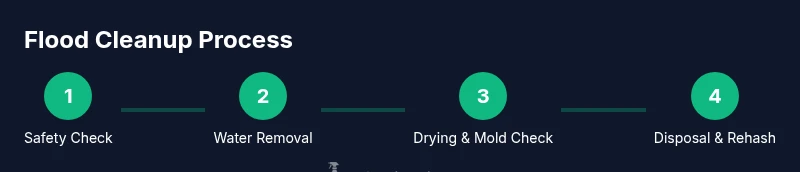
If you’re dealing with flooding clean up near me, your first priority is safety. Shut off power at the main breaker, avoid standing water, and wear proper PPE. Assess hazards, remove standing water with a pump or wet/dry vacuum, and begin controlled drying with fans and dehumidifiers. Document damages for insurance, and know when to call professionals for severe or sewage-related flooding.
Immediate safety steps after flooding
If you’re dealing with flooding clean up near me, your first priority is safety. Before you pick up a broom, turn off the power at the main breaker, avoid stepping into standing water, and wear appropriate PPE. The Cleaning Tips team emphasizes starting with a quick hazards check: is the floor still structurally sound? Are there standing electrical components or gas lines within reach? Ventilate the space if you can do so safely to reduce humidity and improve air quality. If water is deep, or you smell gas or see electrical exposure, leave the area and call the appropriate professionals. After you ensure basic safety, document the scene with photos for insurance later. This initial safety check reduces the risk of injury and makes subsequent cleanup more efficient.
Assessing damage and safety priorities
Begin with a careful survey of the affected area. Identify which materials are water-damaged, which rooms were affected, and whether there are signs of structural compromise. Create a simple plan: what to remove, what to dry first, and how to prevent further intrusion. Take photos from multiple angles for your insurance claim and note any safety concerns (slippery floors, exposed wiring, or damaged ceilings). By prioritizing safety and documenting the scene, you set clear steps for the rest of the cleanup. According to Cleaning Tips, a structured assessment reduces confusion and speeds up the recovery process.
Personal protective equipment (PPE) you need
Before interacting with flood-affected areas, equip yourself with a basic PPE kit: sturdy gloves, N95 respirator or better, protective eyewear, and waterproof footwear with good traction. If you suspect mold or sewage exposure, upgrade to rubber boots and a disposable suit. PPE protects against contaminants and mold spores, which are common after floods. Keep extra PPE on hand and change it if it becomes wet or contaminated. The right gear makes a dangerous situation safer and more manageable.
Water removal strategies: pumps, vacuums, and when to hire a pro
Remove standing water using a sump pump or a heavy-duty wet/dry vacuum when safe to do so. If water is rapidly accumulating or near electrical outlets, stop and call a professional. For large-scale flooding, do not attempt to remove water beyond your capacity; professional services have equipment designed to handle significant volumes quickly and safely. After initial extraction, focus on reducing humidity to prevent secondary damage.
Drying out and dehumidification strategies
Drying is a critical phase after water extraction. Use multiple fans and a dehumidifier to improve airflow and lower humidity levels. Position equipment to create a cross-breeze across walls and floors, not in one corner. Check moisture levels with a meter if available and re-check areas daily. Continue drying until moisture readings stabilize at safe levels, then move toward cleaning and disinfection. Consistent airflow reduces mold growth and speeds up the recovery.
Cleaning surfaces, disinfecting, and preventing mold
Clean and sanitize hard surfaces with cleaners appropriate for flood conditions. Rinse surfaces to remove residues, then apply a mold-inhibiting solution where necessary. Mold can begin quickly after flooding, especially in porous materials; monitor for any musty odor or visible growth. Keep surfaces dry after cleaning and maintain ventilation to discourage mold. The guide emphasizes avoiding mixing cleaners and following product labels for safe use.
Salvaging belongings and disposing of damaged items
Evaluate textiles, paper goods, and porous materials for salvageability. Dry-damaged items that can be cleaned and are safe to restore, and discard those that harbor contaminated mold or cannot be adequately dried. Bag and seal waste according to local guidelines, and separate trash from recyclables when possible. Proper disposal minimizes health risks and simplifies the cleanup process.
Protecting furniture and walls from secondary damage
Move furniture away from damp walls and elevate items off wet surfaces when possible. Place plastic sheeting or tarps to cover areas prone to residual moisture. Seal off unaffected rooms to limit cross-contamination, and monitor any ongoing leaks or seepage. These steps help prevent further damage while the space dries out and is cleaned.
Insurance and documentation: how to file and what to document
Keep a detailed log of all actions, costs, and time spent on the cleanup. Store receipts for supplies, equipment rentals, and any contractor estimates. Use your photos and notes to file a claim with your insurer, and follow up regularly on the status of your claim. Clear documentation can speed up compensation and support a smoother recovery.
When to call professionals: thresholds and services
Professional flood cleanup services are advisable when water is deep, structural components are compromised, or sewage exposure is present. Mold growth that appears beyond surface areas, or if you lack the equipment and know-how to dry and disinfect properly, should prompt professional involvement. Remember: timely professional help reduces long-term damage and health risks.
Authority sources for flood cleanup guidance
For validated guidelines, refer to trusted sources such as: CDC flood safety and health guidance, EPA mold cleanup and remediation information, and Ready.gov flood recovery tips. These sources provide up-to-date, credible recommendations to complement practical home guidance.
Tools & Materials
- PPE kit (N95 mask, safety goggles, waterproof gloves)(Certified PPE; replace if damp or contaminated)
- Trash bags (heavy-duty, 40-60 gal)(For disposal of damaged materials)
- Wet/dry vacuum or submersible pump(Use only if electricals are safe to access)
- Dehumidifier and/or high-capacity fans(Place to maximize cross-ventilation)
- Mold cleaning solution(Follow label directions and safety precautions)
- Disinfectant spray or wipes(Use on hard, non-porous surfaces after cleaning)
- Buckets, scrubbing brushes, and mops(For initial cleaning steps)
- Moisture meter (optional but helpful)(Useful for tracking drying progress)
- Plastic sheeting or tarps(To cover exposed areas and protect dry spaces)
- Apparel for contamination control(Disposable coveralls can be used for mold-prone areas)
Steps
Estimated time: 2-3 days depending on water level, materials, and area size
- 1
Turn off power and gas
Immediately shut off the main electrical power and, if safe, the gas supply to prevent shocks and explosions. Do not enter flooded areas with electrical equipment exposed. This step reduces risk before any cleanup begins.
Tip: If you cannot reach the main switch safely, contact a licensed electrician. - 2
Inspect area for hazards
Scan for structural damage, sagging ceilings, or wires in water. Mark off unsafe zones to keep others out while you plan the cleanup. Proceed only if the area feels stable and safe.
Tip: If you see exposed wiring, do not attempt to move water around the area; wait for a professional. - 3
Remove standing water
Use a sump pump or a heavy-duty wet/dry vacuum to extract standing water from the space. Start with the lowest zones to reduce backflow risk and monitor for any equipment overheating.
Tip: Operate pumps away from electrical outlets; use GFCI outlets when possible. - 4
Remove damaged porous materials
Take out water-soaked drywall, insulation, carpet, and padding that can harbor mold. Bag and seal contaminated materials for disposal according to local guidelines.
Tip: Dispose of porous materials if they remain damp after initial drying; salvaging them often creates mold risk. - 5
Clean and disinfect hard surfaces
Wipe down non-porous surfaces with an appropriate cleaner, followed by a mold-inhibiting solution. Rinse, dry, and re-sanitize as needed to prevent microbial growth.
Tip: Always follow label directions and avoid mixing cleaners. - 6
Dry the space thoroughly
Run dehumidifiers and fans to circulate air and extract moisture. Keep air moving across all surfaces and monitor humidity levels regularly until stable.
Tip: Position equipment to maximize cross-ventilation; avoid concentrating air in one corner. - 7
Check for mold and moisture
Inspect hidden areas (behind walls, under floorboards) for signs of mold. If you see or smell mold, address it promptly according to guidelines or seek professional remediation.
Tip: When in doubt, test for moisture and mold with a kit or hire a pro. - 8
Salvage or dispose of belongings
Assess textiles, paper goods, and porous items. Dry salvageable items and discard those that cannot be properly dried or sanitized.
Tip: Create a salvageable items list for insurance claims to simplify reimbursement. - 9
Protect furniture and walls
Move usable furniture away from damp walls and elevate it if possible. Use plastic sheeting to cover exposed surfaces and protect dry rooms from cross-contamination.
Tip: Regularly check for new damp spots as the space dries. - 10
Document damages for insurance
Photograph damages, keep receipts for cleanup costs, and record dates and actions taken. A thorough record speeds up insurance processing and supports your claim.
Tip: Store files in a cloud drive or physical binder for easy access. - 11
Decide on professional help
If water intrusion is extensive, structural damage exists, or sewage is involved, contact licensed flood cleanup specialists. They have specialized equipment and training to handle remediation safely.
Tip: Get multiple quotes and verify licenses and insurance. - 12
Review prevention and maintenance
After cleanup, review plumbing, drainage, and landscape drainage to reduce future flood risk. Consider installing backflow valves or other mitigations where appropriate.
Tip: Plan proactive maintenance to minimize repeated flood damage.
Questions & Answers
Is it safe to start cleanup immediately after a flood?
Cleanup can begin after basic safety checks: power is off, water is contained, and there are no obvious hazards. If you suspect structural damage, contaminated water, or mold, pause and consult a professional. Proceed with caution and prioritize health and safety.
Cleanup can start after basic safety checks. If there are hazards or mold, pause and seek professional help.
When should I hire a professional for flood cleanup?
Hire professionals for extensive water intrusion, sewage exposure, or if there is any structural damage. Trained teams have specialized equipment to dry, disinfect, and remediate safely, reducing the risk of mold and long-term damage.
Hire professionals for extensive water intrusion or sewage exposure.
What PPE is essential for flood cleanup?
Wear a properly fitting N95 or better, protective goggles, and waterproof gloves. If mold or sewage is suspected, add a full suit and rubber boots.
Wear N95 masks, goggles, waterproof gloves, and consider a full suit for mold or sewage.
How do I protect myself from mold during cleanup?
Limit exposure by wearing PPE, drying quickly, and cleaning surfaces using mold-friendly products. Inspect hidden areas and address moisture as soon as possible to prevent mold growth.
Wear PPE, dry promptly, and inspect hidden areas for moisture and mold.
What should I do with damaged items after a flood?
Separate salvageable items from disposable ones. Dry what you can and discard items that harbor contaminants or can't be adequately sanitized.
Separate salvageable items from disposable ones and discard contaminated items.
Watch Video
The Essentials
- Prioritize safety before starting cleanup
- Dry thoroughly to curb mold growth
- Document damages for insurance
- Use proper PPE and cleaning protocols
- Consult professionals for extensive damage