How to Clean Virus Free: Practical Home Disinfection Guide
Learn practical, step-by-step methods to clean virus free surfaces at home, including disinfecting routines, safe products, and daily habits for a healthier living environment.


To achieve a clean virus free home, combine consistent cleaning with proper disinfection. Focus on high-touch surfaces, laundry, and air quality, and follow product labels for contact times. Establish a simple daily routine and a weekly deep clean, using EPA-registered disinfectants and safe practices. According to Cleaning Tips, consistency beats occasional intensive cleaning.
What clean virus free means in everyday cleaning
Achieving a truly clean virus free home starts with a clear definition of terms. Cleaning removes visible dirt, dust, and organic material, while disinfection uses chemical agents to kill viruses on surfaces. When we say we want a clean virus free environment, we’re aiming for surfaces that are free of detectable viral contamination after proper cleaning and disinfection. The Cleaning Tips team emphasizes that consistency, proper technique, and correct contact times are more reliable than one-off deep cleans. In daily life, this translates to a routine that targets high-touch areas first (doorknobs, light switches, faucet handles) and expands to shared spaces over time. By understanding this distinction, homeowners and renters can build practical habits that reduce risk without becoming overwhelmed by complex protocols. This approach aligns with general public health guidance and keeps your home safer for everyone in the household.
Core disinfecting principles that matter
Disinfection effectiveness hinges on three core principles: surface cleanliness, dwell time, and appropriate product selection. Start by removing soil so the disinfectant can reach the virus more effectively. Always check the label for the required contact time—the period the surface must stay wet for the product to work. Use EPA-registered products suitable for household surfaces and pathogens. Remember to wear gloves if you’re cleaning frequently or using stronger cleaners, and ventilate the room to minimize fumes. If you’re cleaning in a kitchen or bathroom, prioritize areas where fluids and residues collect. The goal is to achieve a measurable reduction in viral presence while maintaining a safe environment for children and pets.
Prioritize high-touch surfaces and daily habits
High-touch surfaces drive the majority of surface contamination. Create a simple daily routine that tackles these points first: wipe down door handles, light switches, faucets, and appliance handles with a trusted disinfectant after daily activities. For shared spaces, set a weekly deep-clean target that includes phones, remote controls, keyboards, and tablet screens. Laundry plays a crucial role; wash garments, towels, and linens using the hottest permissible settings and ensure items are dried thoroughly. Regularly empty trash, clean interior bins, and wash reusable cleaning cloths to prevent any residual contamination. Small, repeated actions accumulate into a virus-reducing shield that’s easy to maintain.
Cleaning vs disinfection: a practical framework
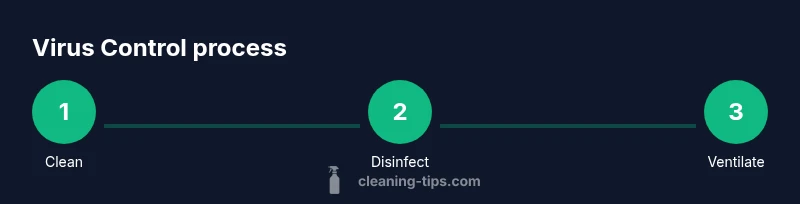
Cleaning and disinfection are distinct steps in a practical virus-control strategy. First, clean to remove dirt and organic matter, which can shield viruses. Then disinfect using an appropriate product and follow the label’s dwell time. In most homes, a two-step approach works well: a routine cleaning pass on high-traffic areas followed by targeted disinfection of high-touch surfaces. When selecting products, favor EPA-registered options proven effective against viruses. Always follow safety guidelines, keep products out of reach of children, and avoid mixing cleaners, which can create hazardous fumes. This framework helps you build confidence in your routines while reducing confusion about “what to do first.”
Laundry, textiles, and fabric care
Textiles can harbor viruses, especially in shared living spaces. Launder everyday fabrics—towels, dish cloths, and clothing—using the highest temperature recommended on the care label, and dry thoroughly. For items that can’t be washed hot, consider adding an appropriate disinfectant to the wash per product instructions. Regularly clean and sanitize laundry baskets and hampers, using a lined container that’s easy to wipe down. After handling soiled fabrics, wash hands and avoid placing clean items on contaminated surfaces. These steps ensure fabrics contribute to a virus-free home rather than acting as a reservoir.
Ventilation and air quality as part of virus control
Ventilation plays a critical role in reducing airborne viral particles. Open windows when weather permits, and use exhaust fans to create a cross-breeze that circulates fresh air. If you rely on indoor climate control, consider a portable air cleaner with a HEPA filter for rooms that don’t vent easily. Regularly replace or clean filters according to manufacturer guidance, and avoid stagnant air in crowded areas. While ventilation alone isn’t a substitute for surface disinfection, it significantly lowers overall viral load in indoor environments and supports a healthier home.
Establishing a simple routine you can maintain
A sustainable routine beats complex procedures. Start with a 15-minute daily wipe-down of high-touch surfaces, followed by a 1-hour weekly deep clean that covers bathrooms, kitchens, and living areas. Schedule monthly checks to replenish disinfectants, replace worn cloths, and assess ventilation upgrades. Track your progress with a simple checklist, so every family member knows their responsibilities. The key is to make the routine feel manageable, not overwhelming, so it becomes a habit. Consistency over perfection is the most reliable path to a clean virus free home.
Product safety, substitutions, and smart shopping
Choose products that are appropriate for your home’s surfaces and occupants. Read labels for surface compatibility and contact time, and avoid mixing cleaners. If you prefer non-chemical options, use soap and water for routine cleaning and rely on properly used disinfectants when disinfection is needed. For households with children or pets, prioritize gentler formulations and safe storage. When shopping, compare EPA-registered product listings and check expiration dates to ensure effectiveness. Keeping a small stock of trusted products helps maintain your virus-cleaning routine without last-minute scrambling.
Tools & Materials
- EPA-registered disinfectant(Choose a product proven effective against viruses; follow label)
- Microfiber cloths(Use multiple cloths; launder between uses)
- Spray bottle(For ready-to-use solutions and targeted cleaning)
- Disposable gloves(Protect skin during cleaning and disinfection)
- Mask (optional)(Useful when using strong cleaners or dusty areas)
- Trash bags(Seal and dispose contaminated items safely)
- Vacuum with HEPA filter (optional)(Pre-remove particles before disinfection)
- Ventilation setup (windows/air cleaner)(Improve air exchange during cleaning)
Steps
Estimated time: 60-90 minutes
- 1
Prep the area
Clear clutter and put away items that could be damaged by cleaners. This prep allows you to clean efficiently and ensures you won't miss hidden surfaces. Set a timer to stay focused and reduce fatigue.
Tip: Move fragile items away; keep kids and pets out of the cleaning zone. - 2
Pre-clean surfaces
Wipe away visible dirt and residues from surfaces using a damp microfiber cloth. Dirt can shield viruses, so removing it first improves disinfectant performance. Allow the surface to dry briefly before applying the disinfectant if the label instructs so.
Tip: Use separate cloths for bathrooms and kitchens to avoid cross-contamination. - 3
Disinfect high-touch surfaces
Apply disinfectant and maintain the surface in a wet state for the required dwell time as stated on the label. Reapply if the surface dries before the dwell time ends. Wipe away any residue after the dwell time if the label permits.
Tip: Prioritize door handles, switches, faucets, and remote controls first. - 4
Clean laundry and fabrics
Wash fabrics at the highest temperature allowed by the care label. Use the recommended amount of detergent and consider adding a disinfectant product designed for laundry if appropriate. Dry completely before reuse or storage.
Tip: Bag soiled laundry to prevent spreading contamination. - 5
Vacuum and mop floors
Vacuum surfaces before mopping to remove dust and particles that can harbor viruses. Use a mop suitable for the floor type and a fresh cleaning solution. Allow floors to air-dry or dry per manufacturer guidance.
Tip: Empty the vacuum canister outside to prevent indoor spread. - 6
Ventilate and finish
Open windows or run the exhaust fan to improve air exchange during and after cleaning. Let rooms air out for 10-20 minutes or per label guidance. Do a quick final wipe-down of high-touch areas before considering the space ready.
Tip: Keep doors open to extend ventilation into adjacent rooms.
Questions & Answers
How often should I disinfect high-touch surfaces?
Disinfect high-touch surfaces daily or after exposure to dirty conditions. In shared spaces, a mid-week disinfection pass can complement daily cleaning. Always align with product label guidance for dwell time and surface compatibility.
Disinfect high-touch surfaces daily, especially in shared spaces, following label guidance for dwell time.
Can I use regular household cleaner to remove viruses?
Regular cleaners remove soil but may not inactivate viruses. Pair routine cleaning with a quaternary or hydrogen peroxide-based disinfectant that’s suitable for your surfaces. Always check product labels for effectiveness against viruses.
Regular cleaners remove grime, but you should use an EPA-registered disinfectant for virus control.
What about non-chemical cleaning methods?
Soap and water are effective for routine cleaning and can reduce viral load when used consistently. For disinfection, rely on approved products. Non-chemical methods alone are not a substitute for proper disinfection when viral control is needed.
Soap and water help with cleaning, but you still need approved disinfectants for virus control.
Is washing clothes enough to prevent virus spread?
Washing clothes at appropriate temperatures helps reduce contamination on fabrics. Use hot water if the care label permits and dry thoroughly. Treat baskets and hampers with care and maintain good hand hygiene after handling laundry.
Washing helps, but also ensure proper handling and drying of fabrics.
Do air purifiers help reduce viruses in the air?
Air purifiers with HEPA filters can reduce airborne particles, including some viruses, but they are not a stand-alone solution. Use them as a supplementary measure alongside regular surface disinfection and good ventilation.
Air purifiers help with airborne particles but shouldn’t replace cleaning and disinfection.
Should I wear gloves and masks during cleaning?
Wearing gloves is sensible when cleaning contaminated areas, and masks can help in poorly ventilated spaces or with irritating cleaners. Remove gloves carefully and wash hands after cleaning to prevent cross-contamination.
Gloves are useful for contaminated areas; masks if fumes bother you. Wash hands after cleaning.
Watch Video
The Essentials
- Disinfect high-touch surfaces daily to reduce viral load.
- Cleaning precedes disinfection for best results.
- Follow label times and PPE recommendations for safety.
- Ventilation supports healthier indoor air quality.
- Establish a simple, repeatable cleaning routine.