How Much Cleaning Teeth Cost in 2026: A Practical Guide
Explore how much cleaning teeth cost in 2026, what factors influence price, and how to compare quotes. Learn budgeting tips from Cleaning Tips to plan affordable dental care.


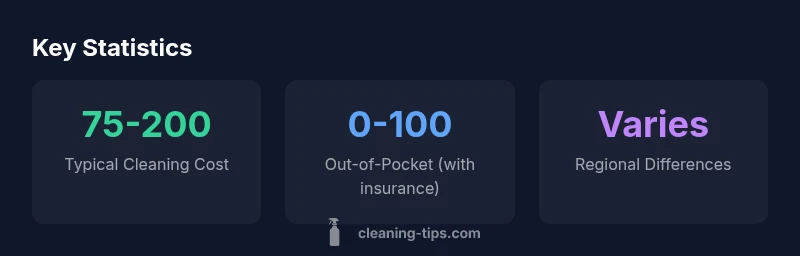
For a routine professional dental cleaning without major procedures, expect a price range of about $75 to $200, depending on location and insurance. With insurance, your out-of-pocket may be $0–$100 after coverage. Additional costs may apply for X-rays, gum health assessments, or if anesthesia is used; orthodontic patients may face separate charges.
Understanding the price range for cleaning teeth
If you're wondering how much cleaning teeth cost, a routine cleaning typically costs between $75 and $200, depending on location and whether you have dental insurance. With insurance, out-of-pocket costs can drop to as low as $0–$100 after the insurer pays its portion. These price bands cover standard prophylaxis without additional procedures. Keep in mind that some dentists quote higher prices for patients who require more extensive periodontal assessments, gum therapy, or whitening, coronation, or X-rays as part of the same visit. In 2026, pricing also varies by practice type: community clinics, private practices, and university-affiliated clinics each have different cost structures. Understanding the range helps you budget, compare quotes, and avoid surprises when you schedule your appointment. According to Cleaning Tips, regional differences and plan coverage are among the biggest drivers of cost, so always ask for a breakdown before committing. The key is to align your expectations with your care needs and insurance benefits, rather than chasing the lowest sticker price.
Key pricing factors: what really drives the cost
Prices for cleaning teeth are influenced by several intertwined factors. Location matters: urban areas and regions with higher living costs typically charge more. The type of practice also plays a role: university clinics may offer lower base rates but longer wait times, while private practices may have higher base fees but faster service. Your individual dental health status matters too: if you have gingivitis, periodontal considerations, or require a more thorough assessment, prices can go up. Additional services such as bite-wing X-rays, fluoride treatments, or a periodontal evaluation can be billed separately or bundled, affecting the overall bill. Finally, promotions, membership plans, or through-insurance discounts can shift the final amount you pay. Understanding these factors helps you anticipate total costs, not just the sticker price, and prepare for the total financial impact of care.
Insurance and payment considerations
Dental insurance often covers routine cleanings as a preventive service, but coverage varies widely by plan. Some plans impose annual maximums or require waiting periods before benefits kick in. Copays and deductibles influence your out-of-pocket costs, with some plans offering a 100% coverage for preventive visits while others require partial payment. When evaluating cost, ask the office for a price breakdown that separates: (1) prophylaxis, (2) any required X-rays, (3) fluoride or sealants if applicable, and (4) any gum health assessments. If you lack insurance, ask about cash discounts, in-house memberships, or sliding-scale fees. For families, some clinics offer bundled pricing for multiple family members, which can yield meaningful savings over time.
Regional differences and common scenarios
Cost varies by geography because of differences in labor costs, overhead, and the local market. Coastal cities often show higher base rates than rural areas, while some regions offer more competitive pricing due to higher competition among providers. A typical scenario is: you live in a mid-size city and have insurance that covers preventive care; your cleaning cost might be on the lower end of the range. In high-cost urban areas with little competition, the price can trend toward the higher end. For students or people seeking affordable care, university clinics or dental schools may offer lower fees with acceptable service levels, though scheduling can be more time-consuming.
How to estimate and compare prices
To estimate how much cleaning teeth cost across providers, start with a phone call or online quote request. Ask for a full price breakdown and whether X-rays, fluoride, or gum health assessments are included or billed separately. Compare quotes on a like-for-like basis: prophylaxis, X-rays, and any add-ons. If you’re in a higher-cost region, look for providers offering bundled services or membership plans that reduce repeat costs. Reading reviews about price transparency can also help you choose the best value. When possible, request a written estimate before any treatment so there are no surprises at the checkout.
Value of additional services and what to watch for
Some offices include add-ons like X-rays or fluoride by default, while others offer them as optional upgrades. Clarify what’s essential for your visit: a basic cleaning, a gum health assessment, or an X-ray, if needed. Ask whether a bundled price exists for cleaning plus recommended follow-up visits or if a discount applies when scheduling multiple visits. Watch for “specials” that are time-limited; they can offer excellent value but may exclude essential services. Always read the fine print on any quote and request a cost-benefit explanation for any add-ons.
At-home dental care and preventive options to reduce costs
Investing in excellent at-home dental care can dramatically reduce the need for frequent deep cleanings or periodontal work. Effective brushing twice daily with a fluoride toothpaste, regular flossing, and using an antimicrobial rinse when advised by your dentist can keep plaque under control. A balanced diet, limiting sugary snacks, and staying hydrated supports oral health between visits. Regular dental checkups with a cleanings schedule aligned to your risk level are the most reliable way to prevent costly surprises later. Prevention is often more affordable than remediation.
Practical steps to plan your next cleaning
Create a budget by estimating your baseline cleaning cost and factoring in potential add-ons. If you’re paying out-of-pocket, ask about cash discounts or a payment plan. For insured patients, confirm your plan’s preventive coverage and any annual maximums. Consider booking during seasonal promotions or partnering with a dental school for lower fees. Finally, keep a simple tracking sheet of quotes and actual bills to identify the best value providers over time.
Cost components of routine dental cleaning
| Component | Typical Cost Range | Notes |
|---|---|---|
| Prophylaxis (standard cleaning) | 75-200 | Unshaded price varies by region and insurer |
| Gum health assessment | 20-80 | Not always included in base cleaning |
| X-rays (bite-wing) | 15-60 | Add-on cost if needed |
Questions & Answers
Is dental cleaning covered by insurance?
Most dental plans cover routine cleanings as preventive care, but coverage varies by plan. Check your benefit details and confirm what portion your insurer will pay before the visit.
Most plans cover routine cleanings as preventive care, but verify your specific benefits before you go.
What affects the price of a cleaning?
Price is affected by location, practice type, added services (X-rays, fluoride), and whether you have insurance. Always request a detailed quote that separates each service.
Location, services, and insurance all influence the price. Get a breakdown before you commit.
Does frequency of cleanings affect cost?
Generally, cleaning frequency doesn’t directly increase per-visit cost, but insurers may have annual limits that influence out-of-pocket expenses. Regular preventive visits are often more cost-effective over time.
Frequent visits aren’t typically cheaper per visit, but regular care can prevent costly problems later.
Are there cheaper alternatives to private clinics?
Yes. University clinics, community health centers, or dental schools often offer lower-cost cleanings with standard quality care. Availability may vary by location and scheduling.
Look into dental schools or community clinics for lower-cost cleanings.
Will an X-ray be necessary for my cleaning?
X-rays aren’t always necessary for every visit. Your dentist will decide if X-rays are needed based on your risk factors and recent dental history.
X-rays aren’t always needed; your dentist will decide based on your history.
Can I estimate costs if I have no insurance?
Yes. Call offices for written estimates, ask about cash discounts, and consider membership plans that reduce routine care costs.
If you’re uninsured, ask for written estimates and look for discounts or plans.
“Prices for dental cleanings vary more than people expect; shopping around with a price breakdown helps you compare value rather than just the sticker price.”
The Essentials
- Know the typical price range before booking
- Ask for a clear price breakdown upfront
- Insurance coverage can significantly reduce the bill
- Consider bundled services or dental school options for savings
- Preventive care lowers long-term costs