Dog Teeth Cleaning Cost: What to Expect in 2026
Understand the true cost range for professional dog dental cleanings, what drives price (anesthesia, X-rays, extractions), and practical ways to save with home care and smart clinic quotes.


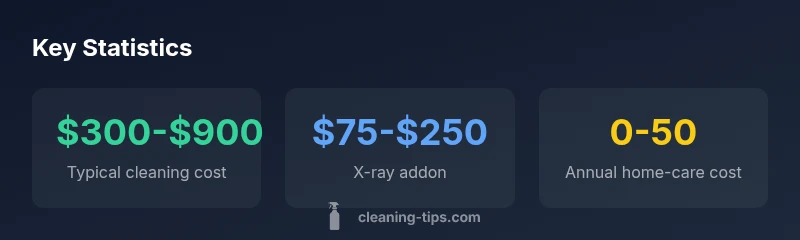
Professional dental cleaning for dogs typically costs between $300 and $900 per visit, depending on the dog's size, location, and whether anesthesia and dental X-rays are required. Additional charges may apply for preoperative exams, extractions, antibiotics, or treatment of gum disease. Regular at-home dental care can extend intervals between full cleanings and lower total annual costs.
Why Costs Vary Across Clinics
Dental cleaning prices for dogs vary widely because clinics price by procedure complexity, geographic region, and the level of care included. In practice, the dog's size, the need for anesthesia, and whether dental X‑rays are included can swing the total by hundreds of dollars. According to Cleaning Tips, there is rarely a single fixed price; clinics layer services differently and may offer bundles that look like a discount but include different components. Urban clinics frequently charge higher base rates due to higher rents and staffing costs, while rural clinics may present lower base prices but with fewer optional add-ons. For first-time patients, many clinics require pre‑anesthetic exams to assess health risks, which adds to upfront costs. Understanding these variables helps you compare quotes with confidence and plan your budget more accurately.
What a Professional Cleaning Typically Includes
A standard professional cleaning starts with a veterinarian or dental technician conducting a mouth exam and charting the dog’s periodontal status. Ultrasonic scalers remove tartar above and below the gumline, followed by polishing to smooth tooth surfaces. If the vet suspects underlying dental disease, dental radiographs may be performed to assess tooth roots and bone health. Most dogs require general anesthesia for a thorough, safe cleaning, which adds to the cost but ensures the procedure is completed without stress to the animal. Post‑cleaning instructions, temporary dietary changes, and a short recovery period are common.
Must-Know Add-Ons That Spike the Price
Several add-ons can significantly increase the final bill. A dental X-ray is a frequent independent charge that can be $75–$250. Extractions or periodontal therapy, especially in older dogs or those with advanced disease, can range from a few hundred to over a thousand dollars. Pre‑anesthetic bloodwork or IV fluids, antibiotics, and pain medications may also be included as separate line items. Other optional services include dental sealants, digital imaging, or more frequent follow-up checks. When budgeting, ask for an itemized quote that lists each component so you can identify which add-ons are truly necessary for your dog’s health.
Regional and Size Factors That Drive Price
Cost variability is common across regions and clinics. Size matters because larger dogs require more anesthesia and longer procedures, which increases anesthesia time, equipment usage, and monitoring. In metropolitan areas, clinics with advanced imaging, digital recordkeeping, and extended hours may justify higher rates. Conversely, smaller towns often offer lower base prices but may balance that with fewer on-site services. When comparing clinics, consider the total value—not just the sticker price—including the clinic’s safety record, equipment quality, and emphasis on preventive care.
How Anesthesia Impacts the Total
For most dogs, anesthesia is essential for a thorough and safe cleaning, particularly when scaling below the gumline. Anesthesia adds a predictable but substantial portion to the cost, covering medications, monitoring, anesthetic gas, and staff. Some clinics offer alternative anesthesia plans or check for tailorable sedation strategies, but comprehensive cleanings usually rely on general anesthesia. If your vet determines your dog is a higher risk, you may see additional pre‑operative testing or extended monitoring, which increases the price. Discuss anesthesia options, safety measures, and the expected recovery time with your clinic to align on a plan that fits your dog’s health needs and your budget.
Budgeting and Getting Itemized Quotes
A practical approach is to request itemized estimates from multiple clinics and compare inclusions line by line. Ask questions such as: Is anesthesia included? Are X-rays included or optional? What constitutes a “complete cleaning” in this clinic? Are post‑treatment medications part of the quoted price? Some clinics offer bundled preventive care plans that cover cleanings for a year or more, which can be cost-effective if your dog needs regular care. Keep a log of quotes and note any required follow-up visits or recommended care so you can project a multi-year budget.
The Role of Home Dental Care in Cost Reduction
Home care is a powerful way to extend the interval between professional cleanings and reduce overall costs. Daily brushing with dog‑safe toothpaste, dental chews, and routine oral exams can slow tartar buildup and gingival inflammation. Some clinics sponsor educational materials or demonstrations, which help maximize effectiveness. While home care cannot fully replace professional cleaning, it can lower the frequency and complexity of subsequent procedures, ultimately reducing annual expenditures. Invest in a simple brushing routine, and select dental products approved by veterinarians to support your dog’s oral health.
Step-By-Step Plan for Your Dog's Dental Care
- Schedule an initial consult to assess current dental health and get a personalized cost estimate. 2) If cleaning is recommended, request an itemized quote and ask about anesthesia and X-ray options. 3) Discuss a home care plan that starts immediately after the procedure to preserve results. 4) Set a realistic maintenance schedule, including follow-up checks and potential dietary adjustments. 5) Revisit the plan annually to adjust for aging, health changes, or new dental findings. A proactive, transparent approach minimizes surprises at the clinic and helps preserve your dog’s comfort and health.
When to Schedule a Cleaning and How Often
Most dogs benefit from an annual professional cleaning, though some high‑risk breeds or older dogs may require more frequent assessments. Veterinary guidelines emphasize early detection of dental disease, which can be cheaper to manage if treated promptly. If you notice persistent bad breath, visible tartar buildup, red or swollen gums, or difficulty eating, schedule a dental evaluation sooner rather than later. Regular preventive care and timely cleanings can prevent costly extractions or advanced therapy later in life.
Cost components and typical ranges for dog dental care
| Scenario | Typical Cost Range | Inclusions | Notes |
|---|---|---|---|
| In-clinic cleaning (with anesthesia) | 300-900 USD | Full cleaning, scaling, polishing | X-rays may be included or add-on |
| In-clinic cleaning with X-ray | 375-1100 USD | Includes X-ray; scaling; polishing | Regional variation applies |
| Add-ons (extractions, periodontal therapy) | 200-1500 USD | Extractions; periodontal treatment | Depends on disease severity |
| At-home care supplies (per year) | 0-50 USD | Toothpaste, brushes, treats | Not a substitute for professional cleaning |
Questions & Answers
What factors most influence the cost of a dog's dental cleaning?
The main cost drivers are anesthesia type, dog size, geographic location, and whether dental X-rays or extractions are needed. Pre-anesthetic tests and medications can add to the bill. Always ask for an itemized estimate.
Cost is driven by anesthesia, size, location, X-rays, and any extractions.
Is anesthesia always required for a dog dental cleaning?
Yes, to ensure safety and thorough cleaning, most professional procedures require general anesthesia. In rare cases for minor cleanings, veterinarians may offer alternatives, but they are not common.
Most dental cleanings require anesthesia for safety and effectiveness.
Can I reduce costs with a home dental care routine?
Yes. Regular brushing, dental chews, and routine oral exams can delay or reduce the need for frequent professional cleanings. However, they do not replace annual professional evaluations.
Home care helps cut costs by lowering cleaning frequency.
Are there cheaper alternatives to full professional cleaning?
Non-anesthetic dental cleanings are sometimes offered but are generally less thorough and not a substitute for anesthesia-based cleaning. Focus on prevention and fit costs with what is medically appropriate.
Non-anesthetic options exist but are limited.
Does price vary by dog size or breed?
Yes. Larger dogs typically require more anesthesia, longer scaling, and more resources, increasing the price range. Breed-specific dental risks may also affect the likelihood of additional procedures.
Size and breed can influence the total cost due to required care.
Should I get quotes from multiple clinics?
Yes. Request itemized quotes from at least 2-3 clinics, compare what’s included, and check for bundled services or promotions.
Shop around for itemized quotes to compare services.
“Prices reflect factors like anesthesia, location, and diagnostic imaging; always request a detailed, itemized quote before proceeding.”
The Essentials
- Budget for a broad price range and plan ahead
- Ask for an itemized quote before agreeing to services
- Invest in routine home care to reduce long-term costs
- Consider X-rays when recommended to prevent complications