How to Clean Infant Ear: Safe Outer-Ear Care for Babies
Learn safe, practical steps to clean your infant's outer ear, when to seek help, and what to avoid. This guide from Cleaning Tips covers tips, tools, and safety for caregivers.


You can safely clean an infant's outer ear by gently wiping the visible parts of the outer ear with a damp cloth after baths, avoiding insertion into the ear canal. Use mild soap sparingly, and never insert cotton swabs or metal objects into the ear. If in doubt, consult your pediatrician.
Understanding Ear Anatomy and Safety Boundaries
The ear comprises the outer ear (pinna and ear canal), the eardrum, and the middle ear. The visible portion of the ear is safe to wipe, but the inner canal is delicate and guarded. According to Cleaning Tips, safe infant ear care begins with understanding the anatomy and setting firm safety boundaries: clean only the outer ear and the folds around the opening, never insert an object into the canal. For babies, keep the environment calm and the head well-supported. If you notice persistent ear pain, unusual discharge, or fever, treat it as a medical issue and consult a pediatrician promptly. Remember, wax serves a protective role and doesn’t always need removal unless it’s causing irritation or visible blockage at the entrance.
- Always work in a well-lit, quiet space.
- Use a steady, gentle touch and a calm voice to soothe the baby.
- Avoid rushing; a slow, careful approach reduces distress for both of you.
When to Clean an Infant's Ears
Infant ears require very gentle care. The outer ear can be wiped after baths or when you notice external dirt around the opening. Do not probe or scrub inside the canal. The Cleaning Tips analysis emphasizes a conservative approach: if there is no visible debris at the entrance, minimal intervention is best. Cleaning should be occasional and gentle, not a daily ritual. If your baby seems uncomfortable during cleaning, pause and try again later when calm. Remember that a small amount of earwax is normal and protects the skin of the ear canal. Avoid removing all wax aggressively; focus on the visible areas only. Seek medical advice if you observe persistent redness, swelling, or drainage from the ear.
Tools and Environment for Safe Cleaning
Prepare a warm, comfortable environment and gather only a few simple tools: a soft washcloth, warm water, and a small amount of mild baby soap if needed. Cotton balls or pads can be used to dab the outer ear, but never insert them into the canal. Keep the room warm to prevent the baby from chilling, and have a caregiver hold the infant securely with the head supported. A towel laid over your lap helps control drips. If you prefer, you can moisten the washcloth with a small amount of saline solution if your pediatrician recommends it. Always use clean, dry hands and a calm demeanor to reduce stress for the infant.
Step-by-Step Outer-Ear Cleaning Process
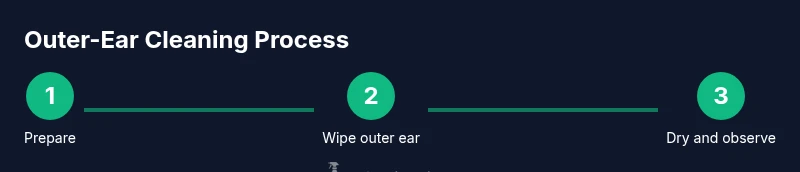
Cleaning the outer ear is a careful, two-person task for many caregivers: one person holds the infant securely, the other handles the cleaning. Start by testing the water temperature on your wrist to ensure it is lukewarm. Dampen a clean cloth with the prepared solution or plain warm water. Gently wipe the visible outer ear and the surrounding folds, moving in a single, smooth motion. Avoid entering the ear canal or applying pressure around the earlobe. After cleaning, pat the area dry with a clean, dry cloth and observe for any signs of irritation. If you notice redness, swelling, or discharge during or after cleaning, discontinue and contact a pediatrician for evaluation. For best results, limit sessions to a few minutes and bail out early if the baby becomes upset.
Common Mistakes and How to Avoid Them
Caregivers often make avoidable mistakes when cleaning an infant's ears. The most common errors include inserting cotton swabs into the ear canal, using harsh soaps, cleaning too aggressively, and treating the ear canal like a dirt trap. To avoid these mistakes, always wipe only the outer ear and folds, never insert objects into the canal, and use minimal moisture. If you notice debris, wipe from the front to the back and stop if resistance or pain is felt. Keep listening to the baby's cues; a calm environment makes the process safer and more comfortable for everyone involved.
When to Seek Professional Help
There are times when home cleaning isn’t enough. If the infant shows signs of fever, persistent crying, pulling at the ear, drainage that is colored or foul-smelling, or if you suspect there is a blockage not removable with gentle wiping, seek pediatric care promptly. An ear infection or wax buildup that causes discomfort should be evaluated by a professional. Do not attempt to flush the ear at home, and avoid medications or drops unless advised by a pediatrician. Early professional consultation can prevent complications and provide peace of mind for caregivers.
Tools & Materials
- Soft washcloth(For outer-ear wiping; use clean, damp cloth)
- Warm water(Test on wrist to ensure lukewarm)
- Mild baby soap (optional)(Use sparingly; avoid in the ear canal)
- Cotton balls or pads (optional)(Only dab outer ear; never insert into canal)
- Saline solution (optional, per pediatrician)(Moisten cloth if advised by clinician)
- Towel(Place under baby to catch drips)
Steps
Estimated time: 10-15 minutes
- 1
Secure and support the infant
Hold the baby securely in your lap or in a caregiver's arms with the head supported. A calm, steady hold prevents sudden movements and helps you access the outer ear safely.
Tip: Keep one hand on the chest to prevent rolling or twisting; speak softly to reassure the baby. - 2
Test water temperature
Before touching the ear, test the water or damp cloth temperature on your inner wrist. Lukewarm moisture reduces discomfort and avoids scalding the skin.
Tip: If the room is cold, warm the surrounding environment to keep the baby comfortable. - 3
Moisten the cloth
Dampen a clean cloth with warm water (or saline if directed by a pediatrician). Wring out excess moisture so it won’t drip into the ear canal.
Tip: Use the cloth only to touch the outer ear and surrounding folds; avoid the canal entrance. - 4
Wipe the visible outer ear
Gently wipe the visible outer ear, including the folds around the opening. Move in smooth, downward strokes and avoid pressing on the eardrum area.
Tip: Work slowly and pause if the baby shows distress. - 5
Dry the area
Use a dry part of the cloth or a clean towel to gently pat the area dry. Moisture left around the ear can cause irritation.
Tip: Do not rub vigorously; the skin around a baby’s ears is delicate. - 6
Assess and seek help if needed
If you notice redness, swelling, discharge, or the baby remains uncomfortable, stop and seek pediatric advice.
Tip: Document any signs that worry you to share with the pediatrician.
Questions & Answers
Can I use cotton swabs to clean my baby's ears?
No. Do not insert any object into the ear canal. Clean only the outer ear and surrounding folds with a damp cloth.
Cotton swabs should not go into the baby's ear canal; clean only the outer ear with a damp cloth.
How often should I clean an infant's outer ear?
Clean only when you notice visible dirt or after baths. Do not make ear cleaning a daily habit.
Clean only as needed after baths or when you see visible dirt.
What are signs of an ear infection I should watch for?
Look for fever, persistent crying, ear tugging, swelling, or drainage. If any appear, seek medical evaluation promptly.
If you notice fever, persistent crying, or drainage, contact a pediatrician.
Is it safe to use ear drops at home?
Do not use ear drops unless a pediatrician has prescribed them for your child. Seek professional guidance first.
Only use ear drops if prescribed by your pediatrician.
What if there is ear discharge after cleaning?
Discharge can indicate infection or irritation. Stop cleaning and seek pediatric evaluation.
Discharge means you should consult a pediatrician.
Can I clean during or after baths?
Yes, you can clean the outer ear after baths using a damp cloth, but avoid canal insertion.
You can wipe the outer ear after baths, just avoid inserting anything into the canal.
Watch Video
The Essentials
- Clean only the outer ear; avoid canal insertion.
- Use lukewarm moisture and a gentle touch.
- Discontinue if signs of infection appear and consult a pediatrician.
- Choose simple tools and maintain a calm, steady routine.