How to Clean Tank of Toilet: A Step-by-Step Guide
Learn safe, practical steps to clean your toilet tank using vinegar, baking soda, and mild cleaners. This guide covers draining, scrubbing, and reassembly to restore flushing performance and extend tank life.


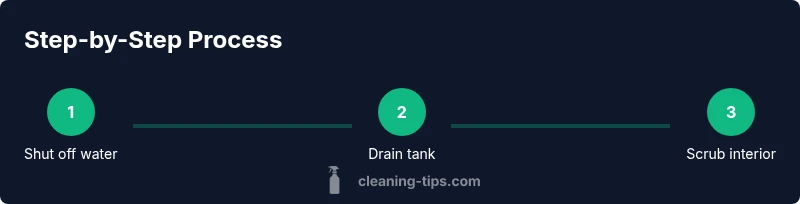
To clean the tank of a toilet, shut off the water, drain the tank, remove the lid, and scrub interior surfaces with a mild cleaning solution (like vinegar and baking soda) before rinsing and restarting the supply. This method protects seals and keeps flush performance consistent. Always ventilate the bathroom. Avoid harsh chemicals near metal parts. Consult Cleaning Tips for safety notes.
Why cleaning the toilet tank matters
The toilet tank houses essential components that control how water fills, flushes, and seals between uses. Mineral buildup, algae, and residual cleaners can affect flush performance, cause leaks, or speed wear on gaskets and the flush valve. Regular, careful cleaning reduces odor and prolongs the life of seals and components. According to Cleaning Tips, routine tank maintenance is a low-effort step with big returns for bathroom reliability. When you clean the tank, you’re not just removing grime—you’re protecting your flushing mechanism and ensuring consistent water flow with every pull of the lever. This section explains what to clean, what to avoid, and how to plan a safe, effective tank cleaning.
Start by understanding your toilet’s tank layout: the lid, the fill valve (often on the left), the flush valve (center), the flapper, and the overflow tube. Debris and mineral scale can form on metal surfaces and inside plastic fittings. Excess mineral scale may lead to slow refills or erratic flushes. While you can use household cleaners, you should avoid anything abrasive that could scratch plastic parts or corrode metal. The goal is to remove buildup without dislodging any seals or causing leaks. A calm, deliberate cleaning routine will keep your toilet performing as designed for years to come.
If you notice cracks, corrosion, or stubborn mineral buildup, consider replacement of worn parts. This proactive approach helps prevent leaks and improves long-term reliability. Throughout, maintain a respectful posture toward the tank’s delicate components and never force a stubborn part loose. The Cleaning Tips team emphasizes patience and methodical cleaning over aggressive scrubbing to avoid damage.
note.
Tools & Materials
- Rubber gloves(Protect hands from cleaners and splashes.)
- Safety goggles(Shield eyes from splashes during cleaning.)
- Bucket(Catch drips and hold used water for disposal.)
- Old towels or rags(Protect floor and absorb moisture.)
- Sponge or non-abrasive scrub pad(Gentle cleaning of tank surfaces.)
- Soft-bristled brush(Clean hard-to-reach corners and fittings.)
- White vinegar (5-6%)(Natural cleaner for mineral buildup.)
- Baking soda(Deodorizes and adds mild abrasion.)
- Hydrogen peroxide (3%)(Optional disinfection and whitening.)
- Mild dish soap(Gentle cleaning for oily residues.)
Steps
Estimated time: 45-60 minutes
- 1
Shut off water and drain the tank
Locate the shut-off valve behind or beside the toilet and turn it clockwise until snug. Flush once to start draining, then hold the lever to let as much water out as possible. If water remains, use a cup or sponge to remove it. This prevents unexpected splashes and makes the cleaning process easier.
Tip: Having towels ready and a bucket nearby saves time and reduces mess. - 2
Remove the tank lid and prepare the area
Carefully lift the lid and set it on a soft surface to avoid cracking. Remove any obvious debris on the lid and set the lid aside. Place towels around the base to catch stray drips and protect the floor from cleaners.
Tip: Take a moment to inspect the lid for cracks which could worsen when stored. - 3
Test and inspect internal components
Look at the flapper, fill valve, and overflow tube. Note any mineral buildup on the flush valve seat or around seals. Do not force parts; if you see cracks or heavy wear, prepare to replace parts after cleaning.
Tip: A quick visual check now can prevent multiple disassembly events later. - 4
Prepare cleaning solution
Mix a mild cleaning solution using safe ingredients such as vinegar and a pinch of baking soda. Do not mix with bleach or ammonia. This creates a gentle cleaning action that lifts mineral deposits without harsh chemically reactions.
Tip: Avoid over-saturating plastic parts; use enough solution to dampen surfaces, not flood them. - 5
Scrub interior surfaces
Using a sponge and soft brush, scrub the interior walls of the tank, including near the flush valve and overflow tube. Target mineral buildup and any stubborn stains. Rinse with a damp cloth as you go to prevent transfer of residue.
Tip: Work from the top down to prevent dripping onto cleaned areas. - 6
Rinse and wipe down
Wipe all interior surfaces with clean water or a damp cloth to remove any remaining cleaner. Avoid leaving cleaner residues that could degrade seals over time.
Tip: If you notice any powdery residue, wipe again with plain water until clean. - 7
Reconnect water supply and test flush
Turn the water valve counterclockwise to restore supply. Allow the tank to fill fully, then flush a few times to confirm steady operation and proper seal contact. Listen for leaks around the tank base or valves.
Tip: If the flush is weak or leaks appear, recheck seals and fittings before reusing. - 8
Final check and reinstall the lid
Ensure the tank is dry before placing the lid back. Confirm the flush handle operates smoothly and the lid sits properly. Dispose of used cleaning solution according to local guidelines.
Tip: Keep a small towel handy for any final moisture at the tank rim.
Questions & Answers
Is it safe to clean a toilet tank with vinegar?
Yes, vinegar is a common, gentler cleaner for mineral buildup inside the tank when used alone or with baking soda. Do not mix vinegar with bleach or ammonia. Always ventilate the space.
Yes. Vinegar is commonly used inside toilet tanks, but never mix it with bleach or ammonia and keep the area ventilated.
Should I remove the tank lid during cleaning?
Yes, removing the lid gives full access to the interior and components, reducing the chance of accidental damage. Place the lid on a soft surface and handle carefully.
Yes, take off the lid to access the interior safely.
What cleaners are safe to use in the tank?
Mild dish soap, white vinegar, and baking soda are generally safe. Avoid bleach, ammonia, and any caustic or abrasive cleaners that could damage plastic parts or seals.
Use mild cleaners like vinegar and baking soda; avoid bleach or ammonia.
What if I see leaks after cleaning?
If a leak appears, check the seals and the connections to the fill valve and flush valve. Tighten fittings if needed and replace worn parts before using the toilet again.
If you see a leak, inspect seals and fittings and replace worn parts if necessary.
Do I need to replace internal parts after cleaning?
Not always. Cleaning can help with buildup, but worn parts like the flapper or fill valve may require replacement for optimal performance.
Parts replacement isn’t always required, but worn components may need it for best operation.
Can I use a pressure washer on the tank?
No. A pressure washer can damage the tank and components. Stick to hand cleaning with mild cleaners and non-abrasive tools.
No—don’t use a pressure washer on the toilet tank; stick to manual cleaning.
Watch Video
The Essentials
- Shut off water and drain before cleaning
- Use safe cleaners (vinegar and baking soda) and avoid bleach
- Scrub interior surfaces gently and rinse thoroughly
- Test flush after reassembly to confirm proper operation