How to Put Cleanout on Plumbing: Step-by-Step Guide
Learn how to install a plumbing cleanout safely with step-by-step instructions, tools, and tips. Understand codes, choose the right cleanout, and test for leaks to keep your drains running smoothly.


This guide shows how to put a cleanout on plumbing, a crucial step to access sewer lines for maintenance. You'll learn the types of cleanouts, when to install, safety considerations, and step-by-step actions. Before you begin, gather basic tools, check local codes, and plan a clear access point away from fixtures.
Understanding Plumbing Cleanouts and Codes
A plumbing cleanout is an access point that lets you clear blockages and inspect sewer lines without invasive digging. Cleanouts come in different styles and sizes depending on pipe material and the configuration of the drain system. Local building codes vary, so it’s essential to understand what your area requires regarding location, size, access, and sealing methods. In many jurisdictions, a cleanout must be readily accessible for maintenance and may require specific materials and thread seals to prevent leaks. The Cleaning Tips team emphasizes checking with your local building department early in a project to confirm requirements and avoid costly rework. Planning ahead helps you choose a location that won’t disrupt fixtures and finishes while providing a reliable service access point. If you’re renting, obtain landlord approval before making any changes to the plumbing, and ensure downstream pipe integrity remains intact.
Understanding the benefits of a properly placed cleanout—faster clearing of clogs, easier inspection, and reduced risk of sewer gas buildup—helps homeowners justify the time and effort. A well-located cleanout also supports future maintenance, allowing you to service mainline sections without heavy demolition. Always consider the downstream impact, including potential backups and the need to revent or vent if required by code. Cleaning tips based on Cleaning Tips analysis show that planning for future access improves long-term performance and reduces emergency calls during blockages. The right cleanout setup can save money and headaches in the long run.
Tools and Materials You'll Need
Before starting, assemble the essential tools and materials. Having everything at hand reduces trips to the hardware store and keeps the work clean and organized. The list below covers typical residential cleanout installations, but adapt based on pipe material and local requirements. Gather clamps, wrenches, pipe cutters, and sealing compounds. Always wear gloves and eye protection when cutting pipes or handling chemical sealants. The Cleaning Tips team recommends double-checking compatibility of sealants with your pipe material and ensuring you have the correct size cap for the cleanout body. If you’re unsure about any item, consult a licensed plumber.
Key considerations for tools:
- Material compatibility: PVC, ABS, cast iron, or copper require specific sealants and gaskets.
- Access clearance: Ensure there’s enough space to install and loosen the cap.
- Personal protective equipment: Goggles, gloves, and a dust mask if cutting is involved. Quality tools reduce the risk of damaging fittings and prolong the life of the installation.
Step-by-Step Overview
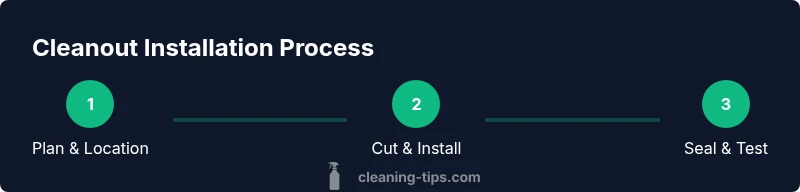
Installing a cleanout involves careful planning, proper cutting, and secure sealing. This overview provides context for the detailed steps in the dedicated STEP-BY-STEP block. You’ll work from a safe, clean area and verify that the existing piping is depressurized before cutting. Always shut off the appropriate water supply and verify no live electrical components are in the work zone. The step-by-step block provides exact actions and tips for each phase, including how to align the cleanout body with the mainline to maintain correct flow direction. Planning for future maintenance, including access and visibility of the cleanout, reduces the need for invasive repairs later. As you progress, document each modification to support future plumbing inspections and code checks.
From a practical standpoint, choosing the right cleanout type—such as a square-cap, threaded, or push-fit model—depends on your pipe material and local requirements. Testing for leaks after installation is crucial, so have leak detection spray or soapy water ready to confirm seals. The Cleaning Tips team notes that a well-executed install minimizes sewer gas exposure and improves drain performance over time.
Safety, Permits, and Codes
Safety is non-negotiable when changing drainage hardware. Always shut off the water supply and relieve system pressure before cutting or loosening fittings. If you notice corroded pipes, compromised supports, or signs of leakage, stop and reassess. Permits vary by location; some jurisdictions treat cleanout installation as minor plumbing work, while others require inspection. If in doubt, contact your local building department or a licensed plumber to determine permit needs and inspection steps. Many cleanouts require a specific orientation of the cap to prevent sewer gases from escaping, plus appropriate sealing compound and thread tape. Keeping documentation of any changes helps during future home inspections and potential resale. Cleaning Tips analysis shows that adhering to codes not only protects health and safety but also ensures the installation stands up to municipal requirements over time.
Maintenance and Troubleshooting
A cleanout should remain accessible and clearly labeled for future use. Regular inspection helps catch leaks early and ensures the seal remains intact. If you notice a leak around the cap, disassemble and re-apply thread sealant or Teflon tape, then tighten gradually to avoid overtightening. When the drain line backs up, don’t force the cleanout—clear blockages with appropriate tools and avoid pushing debris further into the mainline. Depending on the pipe material, you may need a specific gasket or O-ring replacement if the cap seals deteriorate with age. Keeping the exterior area clean and free from dirt also helps you spot issues quickly. The Cleaning Tips team recommends scheduling periodic checks, especially after weather events or shifting soils that can affect pipe alignment and access.
When to Call a Pro
If you encounter persistent leaks, corroded pipe sections, or unfamiliar code requirements, it’s wise to consult a licensed plumber. A pro can confirm correct cleanout sizing, ensure proper venting, and perform a code-compliant installation that will pass inspection. If you lack the necessary tools or confidence, professional installation reduces the risk of future failures and sewer gas exposure. In cases of mainline sewer work, an experienced plumber can coordinate permits, inspection, and testing to meet local standards.
Tools & Materials
- Tape measure(At least 25 ft for layout checks)
- Pipe cutter or Hacksaw(Appropriate for pipe material (PVC/ABS/copper))
- Cleanout body and cap(Match pipe diameter and material)
- Thread sealant or Teflon tape(Use compatible sealant for metal or PVC)
- Gaskets or O-rings(If using gasketed cleanouts)
- Adjustable wrench and channel locks(For tight fittings)
- Pipe wrench or pliers(For stubborn fittings)
- Safety gear (gloves, goggles)(Protect hands and eyes)
- Marker or chalk(Mark cut line and alignment)
- Bucket and rags(Catch residual water and keep area clean)
Steps
Estimated time: 60-120 minutes
- 1
Shut off water and depressurize
Locate the main water shut-off and turn it off. Open a faucet downstream to relieve residual pressure. This protects you from splashes and reduces water damage during cutting.
Tip: Always wear eye protection and gloves when cutting into pipes. - 2
Locate ideal cleanout location
Choose a location that provides easy access yet protects the cap from physical damage. Avoid tight spaces behind cabinets and ensure the cap can be reached with a wrench or hand.
Tip: Mark the spot with chalk before cutting to verify clearance for the tool. - 3
Mark and secure pipe cut line
Measure the cut line, double-check alignment with the existing flow direction, and mark with a permanent marker. Clamp the pipe to prevent movement while cutting.
Tip: Keep the cut line square to ensure a clean joint. - 4
Cut the pipe carefully
Use a pipe cutter or hacksaw to make a straight cut at the marked line. Remove burrs and clean any debris from the cut edge.
Tip: Cut slow and steady to prevent uneven edges. - 5
Install cleanout body
Slide the cleanout onto the pipe, aligning tabs or threads as required by the model. Install gasket if provided, then snug the connection without overtightening.
Tip: Check manufacturer instructions for torque guidelines. - 6
Seal and tighten
Apply thread sealant or Teflon tape to male threads. Refit the cap and tighten until snug, testing for alignment and leaks after installation.
Tip: Avoid over-tightening, which can crack fittings. - 7
Restore water and test
Turn the water back on and run water through the system. Look for leaks around joints and the cap. If leaks appear, re-tighten or reseal as needed.
Tip: Have a soapy water test ready to identify slow leaks. - 8
Document and verify code compliance
Record the installed cleanout details and verify with a local inspector if required. Ensure the installation meets local code for access, venting, and materials.
Tip: Keep the receipt and product specs for future reference.
Questions & Answers
Do I need a permit to install a cleanout?
Permit requirements vary by location. Check with your local building department or a licensed plumber to determine if a permit or inspection is required for your cleanout installation.
Permit requirements vary by location; contact your local building department for guidance and avoid potential code issues.
Where should a cleanout be located?
Place the cleanout where it’s easily accessible for maintenance and near the main drainage line, while avoiding obstructions and finishes. Location should meet local code guidance.
Choose an accessible location on or near the main line, following local code guidance.
Can I install a cleanout myself?
Yes, for basic installations with the right tools and pipe materials. If you’re unsure about fittings, venting, or code requirements, consult a licensed plumber.
You can DIY if you’re comfortable with plumbing basics; otherwise, hire a pro.
What type of cleanout should I use?
Choose a cleanout body and cap compatible with your pipe material, with a gasket or sealant suited to the system. Follow manufacturer directions for installation.
Pick a compatible cleanout and seal properly according to the product instructions.
What safety steps should I take?
Shut off water, relieve pressure, wear gloves and goggles, and avoid working near energized systems. If unsure, pause and seek professional help.
Turn off water, protect yourself, and don’t rush—seek help if unsure.
Watch Video
The Essentials
- Plan location before cutting to ensure accessibility.
- Choose cleanout type based on pipe material and code.
- Shut off water and depressurize before any cut.
- Test for leaks and verify seal after installation.
- Document installation for future service and inspections.