Clean Out for Sewer Line: Step-by-Step Guide
Learn how to safely clean out for sewer line with a step-by-step approach, essential tools, safety tips, and when to call a professional to prevent backups and protect your home.


To clean out for a sewer line safely, identify the clog source, choose the appropriate method, and follow a step-by-step plan to reduce backups without damaging pipes. Start with basic tools, try mechanical methods first, and reserve chemical treatments for limited, guidance-approved use. If water backs up or you smell sewage, stop and call a plumber.
Understanding the concept of a clean out for sewer line
A clean out for sewer line is a dedicated access point that lets you reach the main sewer line to clear blockages or assess flow. This is different from clearing individual sinks or toilets; a clog in the main line can cause backups throughout the home. Recognizing when a problem is isolated to one fixture versus the entire system helps you choose the right approach. When you notice multiple fixtures backing up, slow drainage across the house, or sewer gas smells, you may be dealing with a mainline issue that requires a careful, systematic clean out. According to Cleaning Tips analysis, taking a cautious, methodical approach reduces the risk of pipe damage and makes it easier to determine whether a DIY attempt is appropriate or if a licensed plumber should be called. Always verify local codes and wait times for permits if you plan work on exterior lines. By understanding the scope of the clog and the layout of your plumbing, you can decide which tools and methods are worth attempting. For renters, check your lease and coordinates with the landlord before performing any invasive work. For homeowners, securing a simple access point and keeping notes on each attempt will help you communicate clearly with any professional you hire later.
Why you might need to clean out for sewer line
Blockages in the main sewer line can be caused by tree roots, grease buildup, collapsed pipes, or foreign objects. A successful DIY clean out depends on correctly identifying the blockage and ensuring you have a safe, legal way to access the line. Without a proper clean out, attempts to clear the line can push material further into the system and cause a bigger backup. Regular maintenance reduces the likelihood of major blockages, but it cannot guarantee the absence of future problems. The goal is to restore flow and prevent sewage backups, while protecting your home’s structural integrity and indoor air quality. Keep in mind that some issues require professional equipment like a sewer camera or hydro-jetting, which are typically beyond standard household tools.
Common signs of a main sewer line clog
Look for multiple drains backing up simultaneously, gurgling noises in the pipes, water pooling in the basement or yard drainage areas, or a strong sewage odor that persists. These indicators suggest a problem with the main line rather than a single fixture. If you observe any of these signs, proceed with caution and prepare to escalate care if the blockage resists conventional clearing methods. Document the symptoms with photos or notes to help a technician diagnose the issue more quickly. Remember that sewer gas can be hazardous; never seal vents or trap gases while working near the line. Safety should be your top priority as you diagnose the situation.
Home safe practices and limitations
DIY attempts should prioritize non-destructive methods and avoid hazardous chemicals. Enzyme-based cleaners can aid grease buildup but should not be used as a sole solution for a stubborn mainline clog. Mechanical methods—such as plungers and plumbers’ snakes—offer direct interaction with the blockage when used correctly. Never mix chemical drain cleaners with plumbing components; chemical reactions can produce toxic fumes or damage seals and pipes. Always wear gloves and eye protection, and ensure children and pets are out of the work area. If you are unsure about the pipe material, slope, or venting, stop and call a licensed professional.
Setting up a safe workspace and planning your approach
Before you begin, clear the work area, lay down towels or a drop cloth, and have a bucket ready to catch wastewater. Turn off water to affected fixtures to reduce spillage. Plan your sequence: start with mechanical methods, observe results, then decide whether to proceed with deeper access. If the clog persists or you encounter unusual resistance, do not force the device; instead, reassess or skip to professional help. Document each step with notes so you can review what worked and what didn’t if you hire a plumber later.
Tools & Materials
- Plunger (with flange)(Cup or flange style; ensure a tight seal on the drain opening)
- Drain auger / plumber's snake(16–25 ft length recommended; have extra cable length for deeper clogs)
- Rubber gloves(Waterproof; protect hands from waste and bacteria)
- Safety goggles(Protect eyes from splashes)
- Bucket(Catch wastewater and keep area clean)
- Flashlight(Inspect dark pipe sections and locate access points)
- Old towels or rags(Contain drips and spills)
- Enzyme-based cleaner (optional)(Use sparingly and as a supplement, not a primary cure)
Steps
Estimated time: Total time: 60-90 minutes
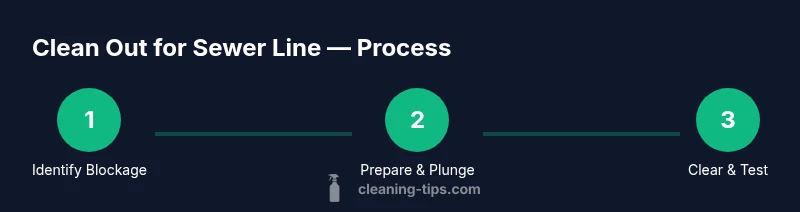
- 1
Identify the blockage source
Assess whether the issue affects a single fixture or the entire home. Look for patterns such as simultaneous backups or slow drainage across multiple drains. Understanding the scope helps you choose a safer, more effective method and reduces the chance of pushing debris farther into the system.
Tip: Take photos of any visible access points and document symptoms for later reference. - 2
Prepare area and safety gear
Put on gloves and safety goggles. Clear the area, place a bucket under the area you’ll work on, and lay towels to catch spills. Turn off water supply to affected fixtures to minimize overflow during the clearing attempt.
Tip: Have a clear plan and do not rush; a calm approach reduces risk of injury. - 3
Seal the drain and test the plunger
Create a tight seal around the drain opening with the plunger. Plunge with steady, controlled pressure for 15–20 seconds to pull the clog toward the drain. If the water level drops slowly, pause to observe changes in flow before continuing.
Tip: Ensure the seal is airtight; partial seals reduce suction effectiveness. - 4
Use a drain auger to reach deeper
Insert the auger into the drain and rotate clockwise while applying gentle pressure. When you feel resistance, alternate between short thrusts and careful retractions to break up or dislodge the blockage.
Tip: Do not force the auger beyond resistance; forcing can damage pipes. - 5
Flush the line and evaluate
Run hot water (if safe for your pipes) or use an enzyme cleaner to rinse the line. Observe whether drainage improves and listen for gurgling sounds. If water still backs up, stop and reassess rather than continuing to push through a stubborn obstacle.
Tip: Avoid chemical drain cleaners for mainline work; they can damage pipes and septic systems. - 6
Document results and plan next steps
Note which methods helped and which did not. If the clog persists or you encounter recurring backups, prepare to call a licensed plumber. A professional may need camera inspection or hydro-jetting to thoroughly clean the main line.
Tip: Keep your notes handy when scheduling a professional evaluation.
Questions & Answers
What is a sewer line cleanout and why would I clean it?
A sewer line cleanout is an access point that lets you clear blockages in the main sewer line. Cleaning it helps restore flow and prevent backups that affect multiple fixtures. If backups persist after DIY attempts, a professional should assess the mainline condition.
A sewer line cleanout gives you access to the main line to clear clogs. If DIY steps don’t fix the backups, get a professional assessment.
Can I use chemical drain cleaners for a sewer line cleanout?
Chemical drain cleaners can damage pipes and septic systems, and may not reach mainline blockages effectively. Prefer mechanical methods first and reserve chemicals only for guidance from a professional.
Chemical cleaners can harm your pipes and septic system, so use mechanical methods first and avoid chemicals unless advised by a pro.
Is DIY cleaning safe for septic systems?
DIY cleaning can be safe if you limit it to mechanical methods and avoid flushing non-degradable items. For septic systems, avoid harsh chemicals that disrupt beneficial bacteria. If you’re unsure, consult a professional.
DIY can be safe if you avoid harsh chemicals and don’t overload the system. When in doubt, call a pro.
What signs indicate a clog is in the main sewer line?
Signs include backups in multiple fixtures, slow drainage throughout the house, gurgling sounds, and unpleasant sewer odors. These indicate a possible mainline issue requiring careful investigation.
If several fixtures back up together or you smell sewer gas, you’re likely dealing with a mainline problem.
When should I call a professional after attempting a DIY cleanout?
Call a professional if the clog persists after two or more clearing attempts, if you notice recurrent backups, or if you encounter gas smells or sewage exposure. A plumber can perform camera inspection and hydro-jetting as needed.
If DIY attempts don’t fix the issue or you smell sewage, call a plumber for a thorough inspection.
Will a camera inspection help diagnose frequent clogs?
A sewer camera inspection can pinpoint exact locations of blockages, root intrusion, or pipe damage, guiding targeted repairs and preventing unnecessary digging.
A sewer camera helps locate the exact problem so repairs are precise and efficient.
Watch Video
The Essentials
- Identify whether the clog is mainline or localized.
- Prioritize mechanical methods before chemicals.
- Stop and consult a professional if resistance is strong.
- Document outcomes to inform future maintenance.