What Clean Toilet With: A Practical Guide to Toilet Cleaning
A practical guide on what clean toilet with to use, comparing natural and chemical cleaners, plus a step-by-step method for a healthier bathroom.


If you're wondering what clean toilet with, this guide helps you pick safe cleaners and a repeatable routine. You’ll learn natural options like vinegar and baking soda, when to use bleach or hydrogen peroxide, and how to sanitize effectively. According to Cleaning Tips, choose toilet-specific products and avoid mixing cleaners to protect plumbing and indoor air quality.
Why cleaning the toilet matters
A clean toilet is more than cosmetic; it reduces bacteria, controls odors, and prevents mineral buildup that can damage seals and fixtures. Regular cleaning also minimizes the spread of germs to hands, towels, and bathroom surfaces. When you invest a few minutes each week, you’ll spend less time on intensive scrubbing later and keep your bathroom healthier for children, pets, and guests. The right approach balances effectiveness with safety, using cleaners that are appropriate for your plumbing and septic system. In this guide, we emphasize gentle, reliable methods you can repeat every week. According to Cleaning Tips analysis, households that follow a simple routine cut deep-clean time by more than half over a month compared with sporadic scrubbing. Consistency also reduces the chance of mold growth in damp corners, where moisture and warmth foster growth. Finally, keep high-touch areas—like the toilet handle and flush lever—free of grime with quick daily wipes. A proactive routine improves air quality in your bathroom, making it a more pleasant space for daily use.
What to clean toilet with: approved cleaners
Choosing the right cleaner is the first line of defense. If you’re asking what clean toilet with, focus on products labeled for toilet use and compatible with your plumbing. Natural options like distilled white vinegar and baking soda provide mild cleansing and odor control, while hydrogen peroxide can help with stains without heavy chlorine. For tougher stains or mineral deposits, a pumice stone used gently or a dedicated toilet bowl cleaner with surfactants can be effective. Bleach remains a potent option for disinfection, but it must be used with ventilation and never mixed with ammonia or acids. In septic systems, it’s better to use small amounts of approved products and flush repeatedly with water to avoid buildup. Read labels carefully for contact time and rinse requirements, and consider rotating cleaners to prevent residues. By selecting the right combination of products, you minimize chemical exposure and safeguard your family’s health while maintaining a spotless bowl.
Natural cleaners vs chemical cleaners: pros and cons
Natural cleaners like vinegar and baking soda are inexpensive and gentler on surfaces, making them a good first choice for routine maintenance. They’re also safer for households with kids and pets and better for septic systems when used in moderation. The trade-off is that natural cleaners may require more time and elbow grease to tackle stubborn stains. Chemical cleaners—such as commercial toilet bowl cleaners and hydrogen peroxide solutions—often work faster and can tackle rings and mineral deposits more aggressively. The key is to read labels, use the minimum effective amount, and ensure adequate ventilation. Avoid mixing cleaners, especially bleach with ammonia or acids, to prevent toxic fumes. For septic systems, limit concentrated chemical use and flush with plenty of water to keep the system balanced. A balanced approach—natural cleaners for daily maintenance and targeted chemical cleaners for tough jobs—works well for most homes.
Step-by-step cleaning method (daily/weekly)
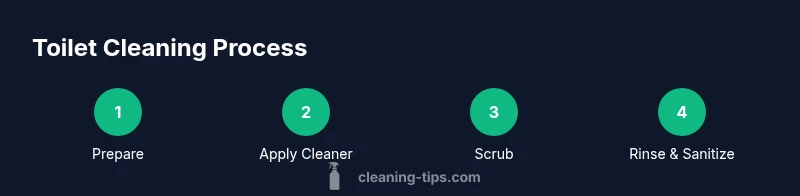
To keep your toilet consistently clean, follow a structured routine that targets both the bowl interior and exterior surfaces. Begin by putting on protective gloves and opening a window for ventilation. Apply cleaner under the rim and allow it to sit for a couple of minutes before scrubbing. Focus on the waterline, under the rim, and any hard-to-reach areas. After scrubbing, flush to rinse and wipe the exterior surfaces with a disinfectant. Finish by drying surfaces and storing tools properly. This routine minimizes grime buildup and reduces the need for harsh scrubbing during deep cleans.
Handling tough stains and mineral deposits
Stubborn stains and mineral buildup require a targeted approach. For mineral rings, apply a vinegar solution or use a pumice stone gently on the affected area, never on glossy finishes or chrome. For organic stains, a toilet bowl cleaner with surfactants can lift residue effectively. Always test a small hidden area first if you’re unsure about how a cleaner will react with porcelain. If staining persists, repeat the treatment after a short waiting period and avoid harsh abrading. Consistency, rather than brute force, yields the best long-term results.
Safety and ventilation: protect yourself and plumbing
Ventilation is essential when using cleaners that emit fumes. Keep the bathroom door open and run a fan or window. Wear gloves to protect skin and consider eye protection if dispensing concentrated products. Never mix cleaners; bleach and ammonia in particular can create dangerous gases. Choose cleaners compatible with your plumbing and septic system, and avoid corroding seals with overly acidic or abrasive products. Store chemicals upright, away from children and pets, in a cool, dry place.
Maintenance to keep it clean between deep cleans
A quick daily wipe of the flush handle and surrounding surfaces prevents bacteria transfer. Keep a small spray bottle with a mild cleaner handy, and wipe the exterior weekly. Consider a brief monthly deep clean using a gentler cleaner to prevent buildup. Regular cleaning not only keeps the porcelain gleaming but also reduces the amount of time you’ll need to spend on scrubbing later.
Common myths debunked
Myth: Bleach is always the best option for every toilet stain. Truth: Bleach is strong but can damage certain finishes and is unsafe in septic systems in large quantities. Myh: Natural cleaners alone replace the need for disinfectants. Truth: For heavy germs, occasional disinfectants are beneficial, especially in shared bathrooms. Myth: You can mix any cleaner with anything. Truth: Mixing cleaners can create dangerous fumes; always follow label directions. Myth: More product means cleaner results. Truth: Correct application and contact time matter more than quantity.
Tools & Materials
- Latex or rubber cleaning gloves(Protects skin from cleaners and splashes)
- Toilet brush(Sturdy bristles; replace every 6-12 months)
- Toilet bowl cleaner (your choice: chemical or natural)(Follow label instructions for contact time)
- White vinegar(Natural stain remover and deodorizer)
- Baking soda(Mild abrasive for surface cleaning and deodorizing)
- Hydrogen peroxide (3%)(Disinfectant option for tough stains)
- Pumice stone (optional, for mineral deposits)(Use gently on porcelain; avoid metal fixtures)
- Spray bottle(For diluting cleaners or applying vinegar solution)
- Microfiber cloths(For exterior surfaces and drying)
- Old towels or towels dedicated to cleaning(To dry and protect surfaces during cleaning)
- Ventilation (window or exhaust fan)(Air circulation reduces fumes)
Steps
Estimated time: 30-45 minutes
- 1
Put on gloves
Don protective gloves to shield skin from cleaners and splashes. This simple step reduces direct contact with chemicals and helps you maintain hygiene throughout the process.
Tip: Choose thick, chemical-resistant gloves if you have sensitive skin. - 2
Ventilate the bathroom
Open a window or turn on the exhaust fan to disperse fumes. Good ventilation improves comfort and reduces inhalation exposure during cleaning.
Tip: If you’re using bleach or strong cleaners, ventilation is essential. - 3
Gather required tools and cleaners
Collect all cleaners, brushes, and cloths before you start to minimize interruptions. This ensures you won’t leave the bowl mid-clean.
Tip: Prep a small setup tray to keep items organized. - 4
Apply cleaner to the bowl
Squirt cleaner under the rim and allow it to sit for a few minutes. This dwell time helps lift grime and mineral deposits.
Tip: Avoid splashing on exposed skin; keep a safe distance. - 5
Scrub the bowl
Use the toilet brush to scrub the interior, targeting the waterline, under the rim, and any stained patches. Use circular motions for even coverage.
Tip: Rinse the brush in clean water between sections to prevent spreading grime. - 6
Wipe exterior surfaces
Spray disinfectant on the tank, lid, handle, and base; wipe with a microfiber cloth until dry. Exterior cleaning reduces cross-contamination to hands and towels.
Tip: Don’t neglect the flush handle; it’s a high-touch area. - 7
Treat mineral deposits
For stubborn mineral deposits, apply a vinegar solution or gentle pumice with light pressure. Avoid aggressive scrubbing that can scratch porcelain.
Tip: Test on a small area first and stop if you notice dulling. - 8
Rinse, flush, and store
Rinse the bowl with clean water, flush to remove residue, then dry exterior surfaces and store tools in a designated area. Proper storage minimizes future contamination.
Tip: Rinse tools after use and air-dry before returning to storage.
Questions & Answers
Is it safe to use lemon juice instead of vinegar for toilet cleaning?
Lemon juice is acidic and can help, but it is not as effective as vinegar for deodorizing and lifting mineral deposits. For best results, use vinegar or a commercial cleaner designed for toilets, and test on a small area first.
Lemon juice can work, but vinegar is generally more effective and safer for routine toilet cleaning. Test first on a small area.
Can I mix different cleaners in a toilet?
No. Mixing cleaners, especially bleach with ammonia or acids, can release dangerous gases. Use one cleaner at a time and rinse thoroughly before applying another.
Do not mix cleaners. Use one product at a time and rinse between applications.
Are natural cleaners enough for tough stains?
Natural cleaners are great for daily upkeep, but stubborn stains may require more targeted cleaning products or a brief dwell time with a stronger cleaner. Evaluate progress and repeat if needed.
Natural cleaners handle daily grime, but tough stains may need stronger cleaners or longer contact time.
How often should I clean the toilet?
Aim for a light wipe-down weekly and a deeper clean every one to two weeks, depending on usage and water quality. Regular maintenance prevents buildup and makes deeper cleaning easier.
A weekly light wipe-down plus a deeper clean every one to two weeks keeps toilets in good condition.
Can a pumice stone scratch ceramic toilets?
Yes—use pumice sparingly and only on non-glossy mineral deposits. Avoid contact with painted surfaces or chrome fixtures.
Pumice can scratch porcelain if used aggressively, so use it gently and only where needed.
What should I avoid near toilet cleaners?
Avoid mixing cleaners, store away from kids, and never apply products directly to metal fixtures without verifying compatibility to prevent corrosion.
Don’t mix products, keep cleaners away from kids, and check that metals won’t corrode.
Watch Video
The Essentials
- Establish a weekly cleaning routine for toilets.
- Choose toilet-safe cleaners compatible with septic systems when needed.
- Ventilate, wear gloves, and avoid mixing cleaners.
- Use a targeted approach for stains and mineral buildup.
- The Cleaning Tips team recommends mixing natural cleaners for daily upkeep with occasional disinfectants for tough stains.