What Cleans Your Colon? Safe, Practical, Evidence-based Steps
Discover safe, evidence-based ways to support colon health. Learn what actually cleans your colon, why detoxes can be risky, and practical steps like fiber, hydration, and probiotics to promote regularity and comfort.


Definition: What clean your colon refers to are safe, evidence-based habits that support regular digestion and waste elimination. Real cleansing isn’t about dramatic detoxes; it’s about fiber-rich foods, hydration, and healthy lifestyle choices. Avoid unproven detoxes and consult a clinician for persistent concerns. This guide explains practical, science-based ways to support colon function.
Why colon health matters
Colon health influences daily comfort, digestion, and energy. When people ask what clean your colon, they often mean how to support regular stools and a healthy gut without resorting to drastic cleanses. The colon’s job is to absorb water and minerals and to form solid waste for elimination. A consistent pattern of eating fiber-rich foods, staying hydrated, and moving regularly helps this system function smoothly. The Cleaning Tips team notes that many people seek quick detoxes, but most evidence supports steady, sustainable habits rather than bootstrapping cleanses. In this section, we outline why colon health matters and how simple, safe practices can reduce bloating, irregularity, and discomfort. We’ll also address what the science says about popular detox products and why they are usually unnecessary or potentially harmful. By focusing on practical changes you can sustain, you’ll achieve meaningful improvements without risking your health. According to Cleaning Tips, sustainable habits provide real benefits.
What actually cleans your colon: myths vs science
To answer what clean your colon, it helps to separate marketing claims from biology. Many detox products promise dramatic 'colon cleanses' or detoxes that claim to purge the body. The science is clearer: there is no proven need for a body-wide cleanse, and several procedures marketed as cleanses can disrupt electrolyte balance or cause dehydration. The colon does its job best when you support it through ordinary, consistent habits rather than extraordinary products. So, what clean your colon amounts to is a set of habits that keep bowel movements regular and comfortable. Some products in the market may claim to flush toxins, but evidence for these detoxes is weak or mixed, and regulatory oversight on claims is limited. The safest, longest-lasting approach is to build dietary and lifestyle habits that support your digestive tract day in and day out. For context, research from reputable sources emphasizes dietary patterns and hydration over detox regimens.
Safe, practical strategies that support colon health
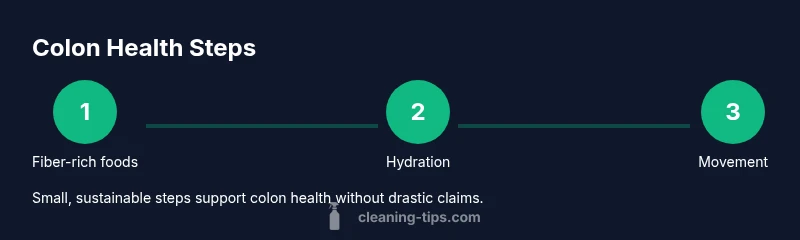
Safe colon health starts with everyday choices rather than extreme programs. A practical approach includes several interlocking habits:
- Increase dietary fiber gradually: Include a mix of fruits, vegetables, whole grains, and legumes. A diverse fiber intake supports bowel regularity and helps form soft, well-structured stools.
- Hydration throughout the day: Consistent fluid intake helps the stool move through the colon and reduces constipation risk. Water is the preferred option.
- Incorporate probiotic-rich foods: Yogurt with live cultures, kefir, sauerkraut, and other fermented foods can support gut balance and digestion.
- Move regularly: Gentle daily activity, such as walking or light cardio, encourages bowel movement and overall gut motility.
- Mindful eating habits: Chewing slowly and eating meals at regular times can reduce bloating and improve digestion.
- Limit processed foods and added sugars: A diet dominated by whole foods supports gut health more effectively than highly processed options.
This section emphasizes that sustainable changes, not quick fixes, yield meaningful improvements in how your digestive system functions. The emphasis is on consistency: small, steady adjustments that you can maintain long term. Health professionals generally favor this approach because it addresses root causes rather than chasing a one-off cleanse.
What to avoid: risky cleanses and laxatives misuse
Many products marketed as detoxes promise dramatic results, but they can be risky. Enemas, colon hydrotherapy, and aggressive laxatives can disrupt electrolyte balance, lead to dehydration, or irritate the intestinal lining. If you experience persistent constipation, abdominal pain, or changes in bowel habits, avoid self-prescribing strong laxatives or enema regimens. Instead, seek medical guidance to identify underlying causes and safe, evidence-based management options. The idea of a quick, dramatic cleanse is appealing to some, but the potential harms often outweigh any transient benefits. Prioritizing proven habits—fiber, fluids, activity, and balanced meals—reduces the likelihood of adverse effects and supports long-term colon health.
Authority sources and practical notes
Reliable information comes from recognized health organizations and medical guidance. For example, the National Institute of Diabetes and Digestive and Kidney Diseases (NIDDK) provides clear information about bowel health and constipation, while MedlinePlus offers patient instructions on digestive wellness. These sources reinforce that steady, healthy lifestyle choices are preferable to detoxes or unregulated cleansing practices. Links to authoritative sources are included below for further reading and verification.
Authority sources (for readers)
- https://www.niddk.nih.gov
- https://medlineplus.gov/ency/patientinstructions/000236.htm
- https://www.nih.gov
Tools & Materials
- Fiber-rich foods (fruits, vegetables, whole grains, legumes)(Include a variety of sources to ensure a broad fiber profile.)
- Water and other hydrating fluids(Keep a reusable bottle handy and sip fluids throughout the day.)
- Probiotic foods (yogurt, kefir, fermented vegetables)(Useful for gut balance; not a substitute for fiber and hydration.)
- Light activity gear (comfortable shoes, tracking app or notebook)(Encourages regular movement and habit tracking.)
- Meal planning resources (simple grocery list, shopping guide)(Helps maintain consistency with fiber-rich choices.)
Steps
Estimated time: a few weeks
- 1
Add fiber gradually
Begin by introducing a variety of fiber-rich foods and monitor how your body responds. Increase slowly to minimize gas and bloating, and pair fiber with adequate fluids to aid movement through the digestive tract.
Tip: Start with foods you already tolerate well and build from there. - 2
Hydrate consistently
Maintain steady fluid intake across the day. Hydration helps soften stool and supports smooth transit through the colon, reducing discomfort and constipation risk.
Tip: Carry a reusable bottle and sip regularly rather than chugging large amounts at once. - 3
Include probiotic foods
Incorporate yogurt, kefir, or fermented vegetables to support gut microbiota. Probiotics may enhance stool regularity for some people when combined with fiber.
Tip: Choose products with live cultures and minimal added sugars. - 4
Move daily
Aim for regular physical activity to promote bowel movement and overall digestive health. Movement can stimulate intestinal motility and reduce bloating.
Tip: Even short walks after meals can make a difference. - 5
Monitor and adjust
Keep a simple diary of foods, fluids, and bowel patterns. Use this to identify triggers or patterns that improve comfort and regularity.
Tip: Look for consistent trends rather than one-off changes. - 6
Know when to seek help
If you experience persistent constipation, diarrhea, severe pain, or blood in stool, consult a healthcare professional promptly. Do not rely on unregulated detox products.
Tip: Medical guidance ensures safe, personalized management.
Questions & Answers
Do colon cleanses detox the body?
Most colon cleanses lack solid evidence and can pose risks. Regular diet, hydration, and activity are safer ways to support colon health.
Colon cleanses often lack evidence and may be risky. Focus on fiber, fluids, and movement instead.
Can laxatives be used to clean my colon?
Laxatives should not be used without medical guidance for cleansing. Overuse can cause dehydration and electrolyte imbalances. If constipation is a concern, consult a clinician for safe options.
Laxatives should only be used under medical advice for constipation, not for cleansing.
What foods support colon health?
A variety of fiber-rich foods, hydration, and probiotic-containing foods support colon health. Focus on whole, minimally processed options and regular meals.
Fiber-rich foods and hydration are key to colon health, along with probiotics.
Are detox products ever safe for colon health?
Most detox products lack robust evidence and may cause harm. Prioritize proven, lifestyle-based approaches and discuss concerns with a healthcare professional.
Detox products are generally not proven safe or effective; talk to a doctor if concerned.
When should I see a doctor for digestion concerns?
Seek medical advice if you have persistent changes in bowel habits, severe pain, bloating, or blood in stool. Early evaluation helps identify underlying conditions.
See a doctor if bowel habits are persistent or painful or if you notice blood.
Is colon health only about diet?
Diet and lifestyle are central, but genetics, medications, and medical conditions also affect colon health. A comprehensive approach includes regular meals, activity, and medical guidance when needed.
Diet is key, but other factors can influence colon health; consult a clinician for personalized guidance.
Can I rely on probiotic supplements for colon health?
Probiotic foods are generally preferred first. Supplements may help some individuals, but not everyone derives benefit. Check with a healthcare professional before starting supplements.
Probiotics can help some, but talk to a clinician before starting supplements.
Watch Video
The Essentials
- Fiber and hydration support regular digestion.
- Detox products are not necessary and can be risky.
- Probiotics can help gut balance in some people.
- Sustain practical, lifestyle-focused habits.
- Consult a clinician for persistent digestive concerns.