How to Keep a Clean Colon: A Practical Guide
Learn safe, practical ways to keep your colon healthy through diet, hydration, and everyday routines. This Cleaning Tips guide avoids extreme cleanses and focuses on sustainable, evidence-based habits.


Goal: support colon health with practical, safe habits. This guide walks you through diet, hydration, and everyday routines that promote regular digestion without risky cleanses. You will learn fiber targets, hydration goals, how to choose probiotics, and simple lifestyle tweaks that fit real homes and busy schedules. These steps are practical, accessible, and designed for homeowners and renters seeking straightforward improvements.
Understanding the colon: function and common myths
The colon is a key part of the digestive system where water absorption and stool formation occur. It hosts a diverse community of microbes that influence digestion, immune function, and gut comfort. According to Cleaning Tips, healthy colon function depends on consistency and balance, not heroic cleanses. Common myths claim that rapid detoxes remove built up waste or completely cleanse the system. In reality, the colon works best when supported by everyday habits, not extreme procedures. Sustainable routines reduce gas, discomfort, irregularity, and incidental irritation. This section lays the foundation for practical, safe habits you can adopt in any household, without specialized equipment or visits to clinics. Remember that experiencing persistent changes in stool, pain, or blood should prompt medical advice. The goal here is to empower you with reliable, low-stress steps that fit your life and your body.
Core dietary habits that support regularity
A steady diet rich in plant-based foods provides the fiber and nutrients that help keep stools regular and comfortable. Prioritize a variety of vegetables, fruits, whole grains, and legumes, and aim for meals that combine fiber with healthy fats and protein for lasting fullness. Processed foods, high sugar, and refined grains can disrupt regularity and gut comfort. If you are transitioning to more fiber, do it gradually to avoid bloating and gas. By keeping meals consistent and balanced, you support your gut microbiome and make bowel movements more predictable. This section outlines practical shopping and cooking strategies you can implement next week.
Fiber: types, targets, and how to meet them
Fiber comes in two main types: soluble and insoluble. Soluble fiber helps soften stools and slow digestion, while insoluble fiber adds bulk that aids regularity. A varied mix supports different microbial communities and stool forms. Instead of chasing fixed numbers, aim for steady daily inclusion of fiber sources across meals. Increase fiber gradually, drink water with fiber, and listen to how your body responds. If you notice persistent discomfort, adjust the ratio of soluble to insoluble fiber and consult a clinician if symptoms worsen. This section provides practical fiber sources and simple substitution ideas.
Hydration: how much water and when to sip
Adequate fluids help fiber do its job by softening stool and supporting digestion. A simple rule is to drink water consistently throughout the day rather than large amounts at once. Caffeinated beverages and alcohol can influence hydration status, so balance them with plain water. Spreading intake across meals aligns with normal digestion cycles and helps prevent constipation or overly loose stools. If you engage in exercise or heat, increase fluids accordingly. This section offers practical hydration plans you can adapt to your daily routine.
Probiotics and gut-friendly microbes
Probiotics support gut microbial balance through foods like yogurt, kefir, and fermented vegetables, or through supplements if advised by a clinician. A diverse diet with fermented foods can enhance microbial variety, which is associated with better stool consistency and reduced digestive discomfort for many people. Start with small portions to gauge tolerance and gradually add more. It is not a magic fix but can complement fiber and hydration. This section highlights practical options and cautions against overuse of supplements without guidance.
Routine and physical activity: movement and bathroom habits
Regular physical activity stimulates gut motility and can improve bowel regularity. A daily routine that includes moderate activity like walking, cycling, or light strength training supports digestion. Establish a consistent bathroom routine that respects your body’s signals; rushing or delaying bowel movements can lead to discomfort. Pair movement with hydration and fiber for synergistic benefits. This section provides simple, sustainable habits you can weave into your day.
Safe cleansing: what is and isnt recommended
Many extreme cleansing products promise rapid results but can disrupt natural digestion and cause harm. The safest approach is to avoid self-administered colon cleansing or enemas unless medically prescribed. Emphasize gradual dietary improvements, hydration, and movement instead. If a practitioner recommends a procedure, discuss risks, benefits, and alternatives. This section clarifies what is safe, what to avoid, and why a conservative strategy is best for most people.
Practical meal plans and shopping lists
A practical plan mixes fiber-rich foods with balanced portions of protein and healthy fats. Start with a simple daily template: a high-fiber breakfast, a plant-forward lunch, and a fiber-rich dinner with lean protein. Snack on fruit, nuts, or veggie sticks to maintain energy and fiber intake between meals. A weekly shopping list helps you stay consistent, reduce last-minute temptations, and track progress. This section provides sample meals and a shopping checklist you can customize to your preferences and budget.
Common barriers and troubleshooting tips
Digestive changes can bring temporary gas, bloating, or changes in stool color as you adjust. If you experience persistent symptoms after a few weeks, reassess fiber sources, hydration, and activity. Some people may need to adjust portion sizes or switch to different fiber types to reduce discomfort. If constipation or diarrhea persists, consider keeping a simple stool diary to identify triggers and consult a healthcare professional when necessary. This section offers practical fixes for common hurdles and reassurance that gradual changes pay off.
Putting it all together: creating your sustainable plan
The final section helps you convert the information into a personalized routine. Start by selecting a fiber forward meal plan that fits your tastes and budget, then layer in hydration goals and a short daily movement habit. Create a one-page plan you can reference each day, including a 7-day track for meals, water, and activity. Revisit the plan monthly to adjust fiber sources, meal timing, and tolerance. The aim is a long-term, enjoyable approach to digestive health that fits your life.
Tools & Materials
- High-fiber foods (fruits, vegetables, whole grains, legumes)(Include a variety of sources and gradually increase fiber.)
- Water bottle or hydration system(Aim for steady hydration throughout the day, not all at once.)
- Food journal or app(Track fiber intake and bowel movement patterns to find what works.)
- Light activity plan (daily walking, stretching)(Regular movement supports gut motility and stool transit.)
- Probiotic-rich foods or supplements(Consider if dietary sources are limited; consult a clinician for guidance.)
Steps
Estimated time: 6-8 weeks
- 1
Assess current habits
Take stock of your current fiber intake, hydration level, and daily activity. Note any patterns of constipation, diarrhea, or bloating. This baseline will guide your plan and help you measure progress.
Tip: Start a simple 1-week diary to identify patterns. - 2
Gradually increase fiber
Add a variety of fiber sources across meals to avoid GI upset. Favor whole plant foods over supplements at first. Increase gradually over 2-4 weeks as your body adapts.
Tip: Pair fiber with water to help movement through the digestive tract. - 3
Hydrate consistently
Establish a water routine that spreads intake across the day. Adjust for activity level and climate. Hydration supports fiber and stool softness.
Tip: Keep a 500-750 ml water bottle with you during the day. - 4
Incorporate fermented foods
Add probiotic-rich foods such as yogurt, kefir, or fermented vegetables to support gut microbes. Start with small portions and monitor tolerance.
Tip: Aim for a small serving with meals initially. - 5
Move regularly
Include at least 30 minutes of moderate activity most days. Movement helps stool transit and can reduce bloating.
Tip: Even short 10-minute bursts count toward the goal. - 6
Establish a bathroom routine
Respect your body signals and avoid delaying bowel movements. A consistent pattern supports regularity and comfort.
Tip: Try to set a regular time each day for a bathroom visit. - 7
Monitor response and adjust
Track how changes affect stool form, frequency, and comfort. Adjust fiber sources, hydration timing, and activity as needed.
Tip: If symptoms persist, seek medical advice. - 8
Reduce risky practices
Avoid extreme cleanses or enemas unless prescribed by a clinician. Focus on sustainable lifestyle habits instead.
Tip: Prioritize safety and evidence based approaches. - 9
Create your sustainable plan
Compile a one page plan with fiber sources, daily water goals, and a weekly movement schedule. Review monthly and refine as needed.
Tip: Make it a habit, not a chore.
Questions & Answers
What does it mean to keep a colon clean?
There is no medical consensus that cleanses make the colon cleaner. Focus on digestive health through fiber, hydration, and healthy habits. Extreme cleanses can be ineffective or harmful.
There is no medical consensus for cleansing the colon. Focus on fiber, hydration, and healthy habits.
Are colon cleanses safe?
Most medical guidelines discourage self administered colon cleansing. They can disrupt the natural balance of gut bacteria and irritate the lining. Consult a clinician before considering any procedure.
Colon cleanses are not generally recommended; talk to a clinician first.
What foods improve stool quality?
Fiber rich foods such as vegetables, fruits, whole grains, and legumes improve stool form and regularity. Pairing fiber with adequate water helps stool move smoothly.
Fiber rich foods help stool and water keeps it moving smoothly.
How long does it take to see changes?
Individual results vary. With gradual fiber increase, hydration, and movement, some people notice improvements within a few weeks, but long term habits yield more reliable results.
Improvements can show up in a few weeks, but sustainability matters most.
Should I take probiotics?
Probiotics can support gut balance for some people, especially when dietary changes are ongoing. Choose foods first, and consult a clinician before taking supplements.
Probiotics can help some people; talk to a clinician before taking supplements.
What if I have persistent constipation or diarrhea?
If digestive symptoms persist for several weeks, or are accompanied by pain, weight loss, or blood, seek medical evaluation. A clinician can assess underlying causes and tailor a plan.
See a clinician if symptoms persist or are severe.
Watch Video
The Essentials
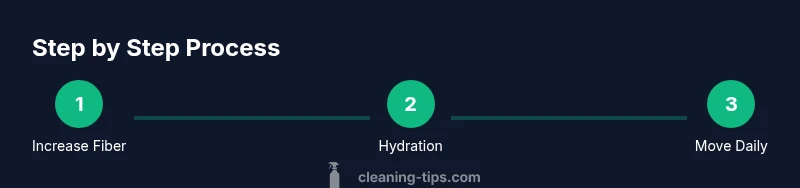
- Start with gradual fiber and steady hydration for regularity
- Choose probiotic rich foods as a complement, not a cure
- Move daily to support gut motility
- Avoid extreme cleanses and seek medical guidance if symptoms persist
- Track progress to tailor your plan over time