How to Know If Your Colon Is Clean: A Practical Guide
Discover practical signs of colon health, debunk detox myths, and build daily habits for regular bowel function. Learn when medical advice is needed without gimmicks.


Goal: understand practical signs that your colon health is on track and what 'clean' means in everyday life. This guide emphasizes digestion, hydration, fiber, and realistic habits instead of extreme detoxes. You’ll learn what normal bowel function looks like and when to seek medical advice if symptoms persist. No gimmicks, just practical checks you can use daily.
What "clean" means for the colon
In common language, people talk about a colon being “clean” as if it could be wiped spotless from the inside. In medical terms, there isn’t a single universal measure of internal cleanliness. What health professionals look for is regular bowel function, comfortable digestion, and absence of warning signs such as blood in stool or persistent abdominal pain. A healthy colon supports effective waste elimination, appropriate stool form, and steady energy throughout the day. Rather than chasing a mythical state, think of a clean colon as one that operates smoothly within your body’s natural rhythms. This means hydration, adequate fiber, steady meals, and awareness of how your body responds to dietary changes. According to Cleaning Tips, sustainable routine habits beat short-lived detox trends every time, because they align with how digestion and gut microbiota work over weeks and months.
bodyBlock
Tools & Materials
- Hydration plan (water bottle)(Aim for consistent daily intake; sip regularly throughout the day.)
- High-fiber foods (fruits, vegetables, whole grains)(Introduce gradually to prevent GI discomfort; include both soluble and insoluble fiber.)
- Regular physical activity(Aim for at least 150 minutes of moderate activity per week or as advised by a clinician.)
- Bowel/food diary(Track stool form and frequency, plus meals to identify triggers.)
- Probiotic foods or supplements(Use modestly; consult a clinician if you have a medical condition.)
Steps
Estimated time: 4-6 weeks for initial habit changes; ongoing maintenance
- 1
Assess current digestion and hydration
Begin with a simple baseline: note how often you eat, how your stools look, and how hydrated you feel. Understanding your starting point helps you measure real change over several weeks. Keep a minimal diary for one week to establish patterns.
Tip: Record stool form using a simple scale like “formed” vs “loose” to spot trends. - 2
Increase dietary fiber gradually
Add fiber sources (fruits, vegetables, whole grains, legumes) slowly to avoid gas and bloating. A gradual ramp-up gives your gut time to adjust and can improve stool consistency over a few weeks. Pair fiber with meals rather than in isolation.
Tip: Mix soluble and insoluble fiber across meals for balanced digestion. - 3
Boost fluid intake to support fiber
Water helps fiber do its job by softening stool and supporting gut motility. Increase fluids as you add fiber, aiming for steady hydration throughout the day. Avoid waiting until you feel thirsty—sip regularly.
Tip: Carry a reusable bottle and set reminders to drink every few hours. - 4
Incorporate regular movement
Physical activity stimulates gut motility and can reduce constipation. Even daily walks or light stretching supports digestion and energy levels. Consistency matters more than intensity at first.
Tip: Pair a brief walk after meals to aid digestion. - 5
Limit processed and trigger foods
Reduce highly processed snacks, excessive fats, and added sugars that can irritate digestion in some people. Focus on whole foods and mindful portions. If you notice discomfort after certain foods, document and adjust your intake.
Tip: Try a 2-week elimination trial for a suspected trigger, then reintroduce foods one by one. - 6
Monitor signs over 2–4 weeks
If your digestion improves with these changes, that’s a positive sign, but if problems persist, reassess. Look for changes in stool form, frequency, discomfort, or energy levels. Use your diary to discuss with a clinician if needed.
Tip: If changes plateau, consider a one-on-one nutrition consult. - 7
Know when to seek medical advice
Certain symptoms warrant prompt medical evaluation: blood in stool, persistent abdominal pain, unintended weight loss, or a sudden, lasting change in bowel habits. These may indicate conditions that require professional assessment.
Tip: Trust your instincts: if something feels off, contact your healthcare provider. - 8
Consider professional screening if appropriate
For adults at typical screening age or with risk factors, discuss colon health screenings with a clinician. Early detection and appropriate testing can be important for overall digestive health.
Tip: Ask about recommended screening timelines based on age and family history. - 9
Create a sustainable routine
The goal is long-term digestive health, not a one-off fix. Build a daily pattern that includes fiber, hydration, movement, and mindful eating. Small, consistent steps accumulate into meaningful improvements over time.
Tip: Set a simple, repeatable morning or evening routine to reinforce habits.
Questions & Answers
Can you truly know if your colon is clean?
There isn’t a single test for a clean colon in everyday life. Healthier digestion, regular bowel movements, and absence of warning symptoms indicate better colon health. If you’re considering a cleanse, talk to a clinician first.
There isn’t a single test for a perfectly clean colon in daily life. Focus on digestion, regular stools, and warning signs, and consult a clinician before any cleanse.
What foods help keep the colon healthy?
A diet high in fiber from fruits, vegetables, whole grains, and legumes supports healthy digestion. Hydration, regular meals, and reducing highly processed foods also play important roles.
Fiber-rich foods, plenty of water, and limiting processed items help support healthy digestion.
Are colon detoxes or cleanses safe or effective?
Most cleanses offer little evidence of benefit and may cause dehydration or electrolyte imbalances. Rely on dietary fiber, hydration, and medical guidance rather than trendy detoxes.
Colon detoxes aren’t proven and can be risky; stick to fiber, water, and medical advice instead.
When should I see a doctor about digestion?
See a clinician if you notice blood in stool, persistent abdominal pain, unintended weight loss, or lasting changes in bowel habits. Prompt evaluation can rule out serious conditions.
If you have blood in stool, ongoing pain, or unplanned weight loss, seek medical care promptly.
Is a change in stool color always a warning?
Some color changes are benign, while others warrant evaluation. If color changes accompany other symptoms like pain, fatigue, or weight loss, consult a clinician.
Stool color changes aren’t always dangerous, but when paired with other symptoms, seek medical advice.
How long does it take to see colon health improvements?
Most people notice gradual improvements over several weeks with consistent fiber, hydration, and activity. Long-term habits sustain improvements beyond initial weeks.
Expect gradual changes over weeks with steady fiber, fluids, and movement.
Watch Video
The Essentials
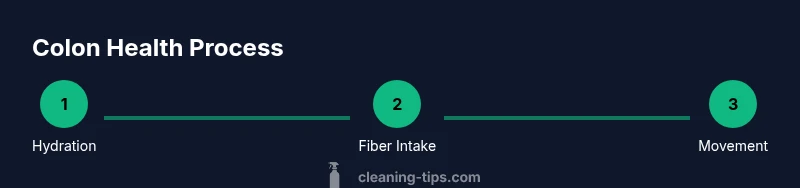
- Prioritize sustainable habits over detox fads
- Fiber + fluids support regular digestion
- Hydration and movement are key partners for gut health
- Watch for warning signs and seek medical advice when needed
- Long-term colon health is about consistency, not quick fixes