Carpet Clean: A Complete Step-by-Step Guide to Deep Cleaning Carpets at Home
Learn how to carpet clean effectively at home with a step-by-step method, stain removal tips, and safe options for a healthier, fresher floor.


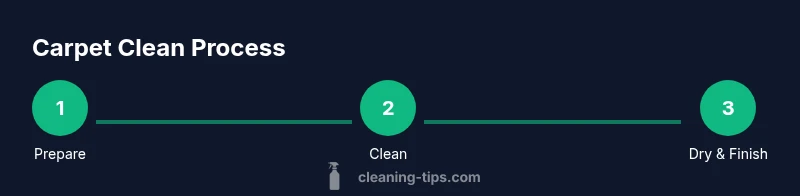
To carpet clean effectively, start with a thorough vacuum, pretreat stains, apply a suitable cleaning solution, scrub fibers, and extract dirty solution. Rinse and allow ample drying time before foot traffic. This approach suits most residential carpets and pet-friendly homes.
Why Carpet Cleaning Matters
A clean carpet contributes to a healthier, more comfortable home. Regular carpet clean not only removes visible dirt, but also reduces embedded dust, allergens, and odors that affect indoor air quality. For households with kids and pets, routine cleaning is especially important because soiling happens frequently. According to Cleaning Tips, regular carpet clean habits help extend carpet life and maintain appearance by preventing deep-set staining and fiber damage. The Cleaning Tips Team notes that using appropriate methods minimizes residues that attract more dirt over time. Choosing the right method depends on fiber type, backing, and dye stability. For most homes, a practical approach combines thorough vacuuming with periodic deep cleaning every 6–12 months. The goal is a fresh underfoot feel and to protect the flooring investment. In the broader picture, well-maintained carpets reduce maintenance costs and help keep homes healthier by reducing trapped dirt. With the right plan, you can achieve a clean, inviting floor that supports your daily routines.
Types of Carpet Cleaners
Carpet cleaning options fall into several broad methods, each with its own advantages. The most common in homes is hot water extraction (steam cleaning), which uses water and cleaning solution sprayed into the pile and then physically extracted to remove dirt. This method works well for synthetic fibers and most common constructions. Dry cleaning, a low-moisture option, scrubs a specialized powder into fibers and vacuums it back up, delivering quick-drying results but sometimes less deep cleaning. The shampoo method uses a foamy cleanser that lifts dirt, though it can leave a residue if not rinsed properly. Bonnet cleaning uses a rotating pad to absorb surface soil and is best for maintenance between deeper cleans in high-traffic areas. When choosing a method, consider carpet fiber type, stain history, and room usage. For families with children or pets, hot water extraction balances effectiveness with safety, while enzyme-based cleaners can tackle organic stains more effectively. Cleaning Tips recommends testing cleaners on an inconspicuous area first, and always follow label directions to avoid damage.
Pre-Clean Prep
Preparation is the foundation of a successful carpet clean. Start by removing furniture and draping nearby items to protect them from spray. Vacuum thoroughly to remove loose grit; go over each area slowly with a strong suction setting. Check for colorfastness by testing a hidden spot with your cleaner of choice. Use a timer and plan for drying windows, doors, or fans to improve airflow. Finally, read the product labels to confirm compatibility with your carpet fibers and backing. By laying the groundwork, you reduce the risk of redepositing dirt, and you set the stage for a more effective deep clean. The Cleaning Tips team emphasizes that proper prep saves time and yields better results in all rooms, especially high-traffic hallways.
Step-by-Step: Deep Cleaning with a Hot Water Extraction Machine
Hot water extraction is a powerful method for deep cleaning carpets. It requires a cleaning machine that sprays heated solution and then extracts dirty water. To start, fill the machine with water and an appropriate cleaning solution following the label. Run the machine across the carpet in straight passes, overlapping for full coverage. After cleaning each area, extract with the machine to pull out as much moisture as possible. If your carpet is heavily soiled, repeat the process or perform a second pass on the most stained zones. Avoid saturating the carpet; too much moisture slows drying and can lead to odors. For spots or stubborn stains, apply a targeted pretreatment before the main cleaning and allow it to dwell for 5–10 minutes. The goal is thorough soil removal without leaving residues that attract new dirt. The Cleaning Tips Team notes that ample drying time is essential to prevent mold and mildew growth in the pad.
Spot Stains: How to Treat Common Problems
Many spills leave different marks that require specific approaches. For red wine, blot gently with a clean cloth to remove as much liquid as possible, then apply a stain remover according to label directions. Coffee leaves a brown ring; pre-treat with enzyme cleaner and blot, not rub, to avoid spreading. Pet urine typically containing salts can appear as a dark spot; a moisture-activated cleaner or enzymatic formula helps break down residues. Soil from tracked-in dirt often responds to pretreatment and a warm-water rinse. Always test cleaners in an inconspicuous area first to ensure colorfastness. After treating, follow with your carpet cleaning method of choice and extract the area thoroughly to remove moisture. Consistent practice will reduce repeat staining and keep carpets looking fresh longer.
Drying and Aftercare
Moisture is the enemy of fresh carpet after cleaning. Plan to dry a cleaned area for at least 4–12 hours, depending on room temperature and humidity. Increase airflow with ceiling or box fans and, if possible, a dehumidifier. Open windows on dry, breezy days to speed up the process. Avoid walking on the carpet with damp feet or shoes; place chairs and rugs back only after it is completely dry. Grooming the pile with a clean brush can help fibers dry evenly and restore a smooth appearance. Consider applying a carpet protector afterward if recommended by your cleaning solution's label. Cleaning Tips suggests a final inspection to confirm all spots are addressed and the carpet is fully dry before heavy use.
Maintenance Schedule and Tips
Develop a routine that balances vacuuming and deep cleaning. Vacuum high-traffic areas at least 2–3 times per week and run a full deep clean every 6–12 months, depending on foot traffic and pets. Use doormats at entrances to reduce grit and always lift heavy furniture to prevent pigment transfer. Rotate area rugs to equalize wear and prevent fading in sunlit spots. Use color-safe cleaners and follow label instructions to avoid fiber damage. Periodically check for signs of wear or stains that require targeted pretreatment. Keeping carpets clean helps preserve color, texture, and overall appearance, contributing to a healthier home environment.
Safety and Environmental Considerations
Choose cleaners with low odor and safe ingredients when possible, especially in homes with children and pets. Ventilate the area well during and after cleaning, and avoid mixing cleaners, which can create dangerous fumes. Wear gloves if you have sensitive skin and always test new products on a small hidden patch first. If you have a severe allergy or asthma, consider scheduling professional cleaning to minimize indoor air disruption. When disposing of rinse water, check local guidelines; never pour soiled water into sinks with open drains in cold weather, as it may cause residue to re-deposit. By prioritizing non-toxic options and proper ventilation, you can carpet clean responsibly while protecting both your family and the environment.
Tools & Materials
- Vacuum cleaner with hose attachments(High suction; adjust height to pile)
- Carpet cleaning machine (steam extractor)(Rent or own; follow manufacturer instructions)
- Stain remover (enzyme-based or oxidizing)(Test on an inconspicuous area first)
- Carpet brush or stiff bristle brush(Soft fibers to avoid fraying)
- White towels or microfiber cloths(For blotting and pre-rinsing)
- Spray bottle and water(Pre-wet areas and apply cleaners)
- Bucket with warm water(Rinse and mix solutions as directed)
- Mild detergent or carpet cleaning solution(Follow label directions)
- Enzyme cleaner (optional)(Useful for organic stains)
- Protective gloves(Reduce skin exposure)
- Fans or dehumidifier(Speed up drying)
Steps
Estimated time: 2-6 hours total, depending on room size, soil level, and equipment
- 1
Prepare area and read labels
Move furniture, protect nearby items, and confirm that carpet labels permit cleaning methods you plan to use. Gather all supplies so you can work continuously. Why: skipping prep wastes time and can damage fibers if cleaners are incompatible.
Tip: Always test a hidden patch with your cleaner before applying to the full area. - 2
Vacuum thoroughly
Remove loose soil, sand, and hair with slow, deliberate passes. Vacuum in multiple directions to lift pile and expose embedded dirt. Why: a clean base lets the cleaning solution work more effectively.
Tip: Pause to inspect high-traffic zones; you may need extra passes. - 3
Pretreat stains
Apply stain removers to spots and let them dwell according to product directions (usually 5–10 minutes). Gently blot or rub with a brush to lift stains without spreading. Why: pretreatment improves stain removal success.
Tip: Avoid aggressive scrubbing on delicate fibers. - 4
Apply cleaning solution and agitate
Mist the cleaning solution evenly and work it into the fibers with a brush or machine nozzle. Use light to moderate agitation to lift dirt without saturating the carpet. Why: even distribution prevents patchy results.
Tip: Over-wetting slows drying and can leave residues. - 5
Extract and rinse
Run the extractor over the carpet to pull up dirty solution and rinse with clean water when possible. Make multiple passes in different directions. Why: thorough extraction reduces residue that attracts more dirt.
Tip: Spend extra time on heavily soiled zones. - 6
Dry, groom, and inspect
Groom fibers with a clean tool to help them dry evenly. Allow ample drying time with airflow from fans or a dehumidifier. Why: complete drying prevents mildew and odors.
Tip: Don’t replace furniture until the carpet is completely dry.
Questions & Answers
Can I clean my carpet myself, or should I hire a professional?
Both are viable. Most homes can DIY with consumer machines, but professionals handle large areas, severe staining, and delicate fibers. Start with a test clean to gauge results.
Most homes can clean themselves using a consumer machine, but consider a pro for large areas or tough stains.
How often should I deep clean carpets in a typical home?
Deep cleaning every 6–12 months is a common guideline, with more frequent cleaning for homes with pets or allergies. Adjust based on soil visibility and foot traffic.
Most homes deep clean every 6 to 12 months, more often if you have pets.
Is steam cleaning safe for all carpet types?
Hot water extraction is safe for most synthetic carpets. Always check the fiber type label and avoid excessive heat on delicate materials.
Steam cleaning works for most synthetic carpets; check the label for fiber type.
What cleaners should I avoid on carpets?
Avoid bleach and ammonia-based products, and never mix cleaners. Some cleaners can leave residues or react with dyes, causing damage.
Don’t use bleach or ammonia, and never mix cleaners.
How can I speed up carpet drying after cleaning?
Increase airflow with fans or a dehumidifier, open windows when possible, and avoid walking on damp carpet until fully dry.
Use fans or a dehumidifier to dry faster and keep kids away during the process.
What is the difference between carpet cleaning and stain removal?
Carpet cleaning targets the entire area and embedded dirt; stain removal focuses on isolated spots. Both are important for a pristine look.
Cleaning covers the whole carpet, stain removal targets spots.
Watch Video
The Essentials
- Vacuum thoroughly before cleaning to remove loose dirt.
- Choose a cleaning method suited to fiber type and stains.
- Test colorfastness and follow label directions.
- Ensure complete drying before use to prevent mold.