Best Way to Clean the Carpet: A Practical Home Guide
Discover the best way to clean the carpet with practical steps, safe cleaners, and tips to extend fiber life while maintaining a fresh, allergen-friendly home.


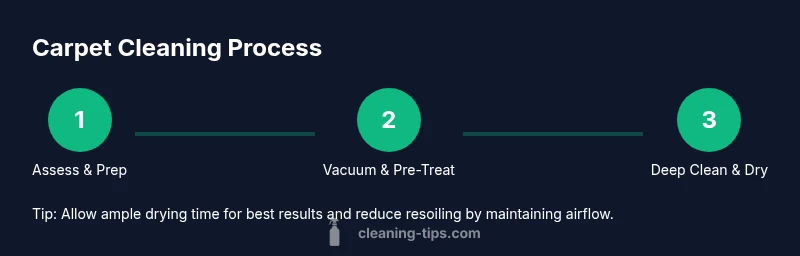
The best way to clean the carpet combines regular vacuuming, targeted stain pretreatment, and a low-moisture deep-clean method using a carpet-safe cleaner. Start with blotting stains, then vacuum thoroughly, pretreat tough spots, and choose a cleaning method that suits your fiber and backing. Test in a hidden area before full use.
Understanding Carpet Fibers and Cleaning Needs
Carpets come in a range of fibers, including nylon, polyester, olefin, and wool. Each fiber type has different moisture tolerances, dye characteristics, and wear patterns, which influence the best way to clean the carpet. For instance, synthetic fibers like nylon and polyester handle moisture better than wool, while wool requires gentler methods to prevent shrinking or color bleed. The Cleaning Tips approach emphasizes prioritizing gentleness on delicate fibers while maintaining effective soil removal. Before you start, identify your carpet type and check the manufacturer’s cleaning recommendations to avoid voiding warranties or causing damage. In many homes, a practical mix of regular vacuuming, quick spot treatments, and periodic professional deep cleaning yields the best balance of cleanliness, safety, and longevity for most common living rooms and hallways.
Essential Tools and Cleaning Agents
To implement the best way to clean the carpet, assemble a small, well-chosen toolkit. A high-quality vacuum with adjustable height and a beater bar or brush roll helps remove embedded dirt without damaging fibers. Have stain pretreatment sprays or enzyme-based cleaners, a color-safe carpet cleaner, white towels or microfiber cloths, a soft-bristled brush, a clean spray bottle, and a clean bucket. For odor control, keep baking soda on hand but use it sparingly and remove completely before drying. If you have pets, a pet-specific enzymatic cleaner can help break down organic stains and odors. Always test cleaners on a hidden corner first and follow label instructions. A basic fan or dehumidifier speeds up drying so you return to a clean carpet sooner.
Step 1: Vacuum Regularly and Pre-Treat Stains
Regular vacuuming removes loose soil that can otherwise be ground into fibers during cleaning. Begin by removing lightweight furniture from the area if possible, and set the vacuum to an appropriate height for your carpet pile. Vacuum slowly, overlapping each pass to ensure thorough coverage. Next, blot fresh spills with a clean cloth to absorb moisture rather than rubbing, which can push stains deeper. Pre-treat stains with a carpet-safe solution, following the product label. For stubborn spots, let the pretreatment dwell for a few minutes to break down oils and particulates before agitating with a soft brush. The goal is to prevent soil from embedding and to create a uniform surface for deeper cleaning.
Step 2: Choose the Cleaning Method Based on Fiber and Condition
Not all carpets respond the same to every cleaning method. Nylon and polyester generally tolerate low-moisture cleaning, while wool requires a gentler touch and often less moisture. Bonnet cleaning or standard steam cleaners may be suitable for light soils, but heavy traffic areas often benefit from hot water extraction or professional steam cleaning. Always err on the side of gentleness: use the lowest moisture method that achieves soil removal, and avoid saturating the backing or padding. If your carpet has warranties, follow the manufacturer’s recommended methods to avoid voiding coverage.
Step 3: Apply Detergents Correctly and Rinse When Necessary
Apply a carpet-cleaning agent according to the label directions, using minimal quantities to reduce residue. Work in small sections and avoid saturating the carpet. For machines, use the appropriate cleaning solution recommended for the device and fiber type. After cleaning, if the method requires rinsing, perform a light rinse with clean water to remove soap residues, which can attract more dirt if left behind. High-pH detergents or overly strong cleaners can damage fibers over time, so choose pH-balanced products where possible and test on a hidden area first.
Step 4: Drying, Grooming, and Odor Control
Effective drying is crucial to prevent mold and odor. Improve air circulation with open windows, fans, or dehumidifiers, and aim for a steady flow of dry air across the carpet surface rather than direct, high-velocity blasts in one spot. After drying, lightly brush or rake the carpet fibers to restore pile and evenness. If odors persist, sprinkle a small amount of baking soda, allow it to sit briefly, and then vacuum thoroughly. Remember that incomplete drying can lead to rapid re-soiling, so patience and airflow are essential.
Stain-Specific Pretreatment and Removal Tactics
Different stains require different approaches. Protein-based stains (like dairy or blood) respond to cold water and enzyme-based cleaners; tannin-based stains (like coffee or wine) benefit from oxidizing or color-safe cleaners. Grease or oil stains are best tackled with a solvent-based pretreatment followed by thorough rinsing. Always blot from the outside toward the center to prevent spreading. For persistent stains, consider repeating pretreatment after a short dwell time and using a clean cloth to blot rather than rubbing. If you have pets, enzymatic cleaners can be especially effective for odor control and stain removal.
Maintenance Best Practices for Longevity
Prevention goes a long way. Use entry mats to reduce tracked-in soil, remove shoes in high-traffic areas, and schedule routine cleanings to minimize buildup. Rotate cleaning routines to address different zones; high-traffic hallways may need more frequent attention than bedrooms. Regular professional cleanings can refresh the carpet fibers and extend life, particularly for wool or specialty carpets. Finally, address moisture sources promptly—leaks or high humidity can lead to mold growth under the carpet, which is harder to remove later.
Troubleshooting Common Issues
If spotting returns after cleaning (wicking), it may indicate deeper soil or residues left behind. Re-clean the area or consult a professional if the stain recurs or the carpet color appears altered after cleaning. Residue buildup from overly aggressive cleaners can attract dirt, leaving a dull appearance. In cases of odor, ensure the area dries fully and consider a targeted enzymatic treatment. When color fading or dye bleed is suspected, stop cleaning and perform a colorfast test in a inconspicuous spot. Finally, if you notice swelling, buckling, or delamination of the carpet backing, cease cleaning and seek professional help to avoid permanent damage.
When to Hire a Professional for Deep Cleaning
Professional carpet cleaners can be worth it for large stains, set-in odors, or specialty fibers (such as wool or silk blends) that require precise handling. If you have allergies or chemical sensitivities, a professional service with low-residue methods can improve indoor air quality. Additionally, professionals can identify legitimate wear or damage that DIY cleaning might miss and provide a tailored maintenance plan for your carpet type. The Cleaning Tips team recommends evaluating carpet age, fiber type, and warranty terms before choosing to hire a pro.
Tools & Materials
- High-quality vacuum with adjustable height(Set to the correct pile height to avoid fiber damage)
- Stain pretreatment sprays or enzymatic cleaner(Choose color-safe options for synthetic fibers)
- Color-safe carpet cleaner(Follow label directions; avoid high-pH products)
- Soft-bristled brush(For gentle agitation on stains)
- White towels or microfiber cloths(For blotting and testing colorfastness)
- Spray bottle and small bucket(Useful for even application)
- Fan or dehumidifier(Speeds up drying)
- Baking soda(Odor control; remove residues before drying)
- Enzymatic cleaner for pets(Helps with organic stains and odors)
- Color-safe stain remover cloths(Keep clean for repeat spot treatment)
- Protective gloves(If using strong cleaners)
Steps
Estimated time: 60-90 minutes active; drying time varies by room conditions
- 1
Prepare and Inspect Area
Clear furniture from the area and perform a quick fiber type check. Inspect for colorfastness by testing a hidden corner with your chosen cleaner. This ensures you won’t cause dye transfer or fiber damage during cleaning.
Tip: Test in a hidden spot first to prevent surprises. - 2
Vacuum Thoroughly
Vacuum slowly in multiple directions to lift surface soil and prevent grinding dirt into fibers. Focus on edges and high-traffic zones where soil accumulates.
Tip: Overlap passes to ensure complete soil removal. - 3
Pretreat Stains
Apply stain pretreatment to active spots, following label times. For tough stains, gently agitate with a soft brush without scrubbing aggressively.
Tip: Let pretreatment dwell 5-10 minutes for best effect. - 4
Choose and Apply Cleaning Method
Select a method aligned with fiber type and soil level (low-moisture for quick refresh, or hot water extraction for deeper soils). Apply cleaning solution evenly in small sections.
Tip: Use the lowest moisture method that still removes soil. - 5
Rinse/Extract Residue
If required, rinse with clean water and extract moisture using a machine or towels. Residue can attract new soil and lead to stiff fibers.
Tip: Avoid over-wetting to reduce drying time. - 6
Dry and Groom
Improve air flow with fans and dehumidifiers. Once dry, brush fibers to restore pile and vacuum again to pick up any loosened soil.
Tip: Ensure complete drying before reoccupying the room.
Questions & Answers
How often should I vacuum my carpet?
Vacuum at least once a week, and more often in high-traffic areas. Regular vacuuming prevents soil from becoming embedded and helps maintain fiber life.
Vacuum weekly, especially in busy areas; more often if there are pets or kids.
Is steam cleaning safe for all carpet fibers?
Steam cleaning can be safe for many fibers when performed with the right equipment and temperature. Always follow the manufacturer's guidelines and perform a test patch first.
Steam cleaning is generally safe if you test first and use the right settings.
Can I use baking soda to remove odors?
Yes, baking soda can help reduce odors when applied lightly and thoroughly vacuumed after a short dwell time. Avoid leaving large residues that attract dirt.
A light baking soda pass can help with odors, then vacuum well.
How long does it take for a carpet to dry after cleaning?
Drying time varies with room humidity, airflow, and carpet type. Use fans and dehumidifiers to speed up the process and avoid walking on the carpet until fully dry.
Drying times vary; use airflow to speed things up and keep off the carpet until it's dry.
When should I hire a professional?
Consider a professional for set-in stains, strong odors, wool or delicate fibers, or when you want a deep, guaranteed-clean that preserves warranties.
Hire a pro for tough stains, odors, or delicate fibers, or when you want a guarantee.
Watch Video
The Essentials
- Vacuum regularly to prevent ground-in soil buildup
- Test cleaners on hidden areas before use
- Match cleaning method to carpet fiber and condition
- Dry the carpet thoroughly to avoid mold and odor
- Address stains promptly for best results