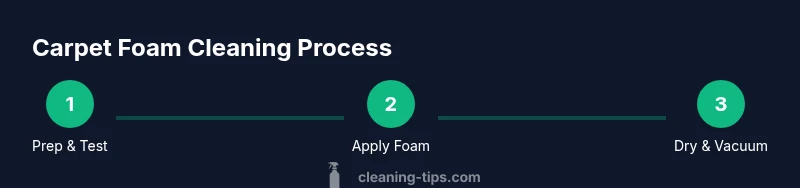
Carpet Clean Foam: A Step-by-Step Guide
Learn how to safely use carpet clean foam to lift stains, refresh fibers, and deodorize your carpets with practical steps, tips, and troubleshooting for a healthier home.


Today you’ll learn how to use carpet clean foam safely and effectively to lift stains, refresh fibers, and deodorize your carpet. This guide covers how to choose the right foam, prep the area, apply evenly, and follow up with thorough drying. By the end, you’ll know when foam is the best option and how to rinse or extract excess moisture.
Why Carpet Clean Foam Matters
Carpet clean foam offers a user-friendly approach to stain removal while keeping moisture at manageable levels. In households across the country, foam products reduce oversaturation and spread less water than traditional liquid cleaners, which helps minimize the risk of mold and delamination in older carpets. According to Cleaning Tips, foam formulations tend to lift most common spills without soaking the backing, making them ideal for living rooms, hallways, and bedrooms with medium traffic. Foam also tends to leave less soap residue when properly ventilated and dried, reducing post-cleaning crunchy carpets. Additionally, foam can be easily localized to stained spots, which means you can treat a spill without a full-room clean. When used correctly, carpet clean foam can restore fiber appearance and brighten colors, giving carpet piles a refreshed look. The product’s ease of use appeals to both homeowners and renters who want results without renting heavy equipment or steamers. In short, foam-based cleaning blends speed, safety, and effectiveness for everyday carpet care. Cleaning Tips’s expertise informs these practical guidelines.
In the end, the goal is a cleaner carpet with minimal downtime. Foam cleaners are designed to be less wet than liquids, which translates to quicker drying times and fewer disruptions to your daily routine. By choosing the right foam and using controlled applications, you reduce the risk of setting stains deeper into the pile. This approach aligns with a broader home-cleaning philosophy: treat stains early, ventilate well, and finish with a thorough vacuum. Contemporary foam formulas also offer fragrance options that avoid harsh detergents while still delivering a fresh feel to high-traffic rooms.
Understanding How Carpet Clean Foam Works
Carpet clean foam is a type of micro-foam cleaner engineered to create a light, dry-cleaning action on fibers. The foam lifts dirt and oils from the surface of the pile without saturating the backing. When you apply foam over a stained area, tiny bubbles trap and suspend soils, which you then lift away with blotting or light agitation. This mechanism reduces the amount of moisture the carpet absorbs, speeding up the drying process and lowering the likelihood of mold growth in poorly ventilated spaces. Foam also tends to distribute more evenly than a liquid cleaner, which helps avoid ring-like patches around treated spots. For many households, this means easier control over stain removal and less mess to manage. Cleaning Tips analysis shows that foam-based cleaners generally require shorter dwell times and less aggressive scrubbing than liquid equivalents, particularly for common household spills like coffee, juice, and pet accidents. The result is a safer, more convenient cleaning option that fits busy schedules while preserving color and texture of the carpet.
Selecting Foam Based on Carpet Type
Not all carpet clean foams are created equal. For synthetic fibers such as nylon, polyester, and olefin, most foams labeled for carpet use are safe when applied according to the label directions. Wool and natural fibers require extra care; always test foam in an inconspicuous area first to confirm colorfastness and fiber stability. In general, look for foams that specify compatibility with your carpet fiber and have a fiber-safe or colorfast endorsement. If you have a delicate pile or antique carpeting, consider a milder foam with a lower pH and no optical brighteners. When selecting foam, read the ingredients list to avoid harsh solvents or bleaches that could damage delicate fibers. Remember that foam is not a universal solution for every stain—some dyes can bleed if over-saturated. A quick patch test on an unseen corner will help you avoid dye transfer and keep your carpet looking uniform across rooms.
For households with pets or children, choose a foam product that carries a low-VOC formulation and a mild scent. Clean Tips’s team notes that odorless or lightly scented foams are often preferable in bedrooms and nurseries, where strong fragrances can be irritating. Finally, check whether the foam is rinse-free or requires rinsing after use; most consumer foams designed for routine stain removal do not require rinsing, but always follow label instructions for best results.
To summarize, select foam that matches your carpet fiber, perform a colorfast test, and opt for low-dye, low-odor formulas when possible. This approach minimizes risk while maximizing stain removal efficiency.
Prepping the Room and Stains
Preparation is half the job when using carpet clean foam. Start by moving lightweight furniture away from the treatment area so you can access the entire stained zone. Vacuum thoroughly to remove dry soil that can otherwise cling to the fibers after the foam is applied. Place a protective barrier under the area—old towels or a drop cloth work well—to catch any overspray and protect hard floors. If you’re treating a high-traffic space, consider a quick spot-clean of adjacent areas to avoid spreading oils during agitation. Before applying foam, blot fresh spills with a clean cloth to lift surface liquids. For stubborn stains, a repeat treatment after allowing a brief dry-down can yield better results than a single heavy scrub. Always test foam on a hidden corner to ensure it won’t discolor the carpet. Finally, ensure the room is well-ventilated by opening windows or turning on a fan; proper airflow speeds up drying and reduces odor buildup.
In practice, effective pre-preparation reduces drying times and improves the overall appearance of the cleaned area. The Cleaning Tips team emphasizes prep as the foundation of any successful foam cleaning routine, highlighting how a clean slate leads to more accurate stain assessment and better final results.
Application Techniques: Methods for Home Cleaning
There are several practical methods to apply carpet clean foam depending on your setup. A spray applicator is ideal for pinpointing tricky stains, while a pump-action foam bottle can cover larger areas quickly. Start by applying a light, even layer over the stained zone; avoid saturating the carpet, as excess moisture can extend drying times and risk fiber damage. For persistent stains, gently agitate the foam in tight circular motions with a soft-bristle brush to help lift soils without damaging the pile. After agitation, blot the area with a clean, dry microfiber cloth, pressing down firmly to lift moisture and lifted soils from the fibers. If the foam remains visible, reapply a thin layer and repeat the process. Avoid scrubbing aggressively, which can fray fibers and flatten the pile over time. Because foam dries more quickly than liquids, keep your total application area small and work in sections. This method aligns with the goal of minimizing downtime while delivering noticeable results.
In addition to spot-cleaning, foam can be used for light whole-room refreshes, especially in rooms with moderate traffic. The key is to maintain a consistent application rate and test first on a small area. Cleaning Tips’s experience indicates that consistent technique yields more uniform results and reduces the risk of patchy appearance.
Once you finish applying foam to the entire area, allow it to settle for a brief period and then begin the drying process. If you are in a humid environment, consider a small fan or dehumidifier to accelerate drying and prevent musty odors.
Drying, Extraction, and Post-Clean Care
Drying is a critical step after applying carpet clean foam. Open windows to increase airflow, or position a fan so that air moves across the surface rather than directly downward into the carpet. You should see visible evaporation within a short period, typically within 30-60 minutes for many environments, but drying can take longer in larger rooms or high-pile carpets. Once the surface feels dry to the touch, run a thorough vacuum over the area to lift any remaining nap and restore the pile’s natural texture. This vacuuming step also helps remove any residual dirt that the foam has brought to the surface. If you notice persistent moisture, re-ventilate and wait longer before stepping on the carpet. Avoid using aggressive heat sources like hairdryers, which can damage delicate fibers.
For best long-term results, maintain a regular cleaning schedule and consider periodic deep cleans for high-traffic areas. Proper drying reduces the likelihood of wicking, where dampness rises to the surface after a stain appears again.
From the perspective of durability, carpet clean foam can extend the life of your carpet by reducing deep-set stains and keeping fibers looking fresh. This practice aligns with prudent home-maintenance habits and supports a healthier living environment.
Safety, Storage, and Maintenance
Safety is essential when using any chemical cleaner, even a foam formulation. Always read the label for fiber compatibility and odor precautions. Ensure good ventilation, especially in smaller rooms or apartments, and consider wearing gloves to minimize skin contact with cleaners. Keep cleaners out of reach of children and pets, and never mix with other chemical products. After cleaning, store foam containers upright in a cool, dry place away from heat sources or direct sunlight. If the foam includes any fragrances, ensure you’re not triggering allergies or sensitivities in household members. Regular maintenance—vacuuming, prompt spill response, and minimal moisture use—helps extend the carpet’s life.
Additionally, keep an eye on colorfastness over time. If you notice color transfer after a cleaning session, discontinue use on that carpet and seek a fiber-safe product or alternative cleaning method. Routine validation of your cleaning products helps prevent unexpected damage and ensures your carpet continues to look its best.
In short, safety, proper storage, and ongoing maintenance are the pillars of successful carpet care with foam cleaners. Respect for the material and a disciplined approach to cleaning yields lasting results.
Troubleshooting Common Issues
Even with careful technique, you may encounter issues when using carpet clean foam. If you notice a sticky or stiff nap after drying, this can indicate residue from the cleaner. In this case, a light pass with a clean, dry vacuum over the area can help lift the residue and return the pile to its normal texture. If staining returns after drying, you may need another treatment, starting with a more conservative application to prevent oversaturation and wicking. Another common problem is over-wetting, which can lead to odor or mold growth in poorly ventilated spaces. To prevent this, ensure the room is well-ventilated during and after application and consider a dehumidifier if needed. If color bleed occurs after cleaning, avoid applying more foam to the entire area and instead focus on spot-testing and re-cleaning only the affected region. Finally, if your carpet is antique or particularly delicate, consult a professional before attempting foam-based cleaning. Regularly inspecting treated areas helps you catch potential issues early and minimize damage. The Cleaning Tips team emphasizes careful, methodical approaches to avoid costly mistakes and maintain carpet longevity.
Tools & Materials
- Carpet clean foam product(Choose a foam formulated for carpet use; check fiber safety label)
- Microfiber cloths(For blotting and lifting soils; use white cloths to avoid dye transfer)
- Soft-bristle brush(Gentle agitation; nylon brush recommended)
- Vacuum cleaner(Used before and after cleaning to remove soil and dry fibers)
- Colorfast test cloth or swab(Test a hidden area to ensure no color transfer)
- Drop cloth or old towels(Protect floors and furniture from overspray)
- Fan or dehumidifier(Speeds up drying in humid rooms)
- Gloves(Protect skin from cleaners during extended cleaning sessions)
Steps
Estimated time: 2-3 hours (including drying)
- 1
Prepare the room and scope
Move lightweight furniture, vacuum the area, and lay down protective coverings. Clear a path for easy access, and ensure you have good ventilation. This setup minimizes mess and ensures the foam can work effectively on the target stain.
Tip: Use a timer to track drying progress and avoid rushing through the step. - 2
Test colorfastness in a hidden spot
Dampen a microfiber cloth with a small amount of foam and apply to an inconspicuous area. Check for dye transfer after a few minutes. If no color change occurs, you’re good to proceed.
Tip: Always perform the patch test before treating more visible areas. - 3
Apply foam to the stained area
Spray or dispense a thin, even layer of foam over the stain. Avoid saturating the carpet; foam should cover the area without pooling. This helps prevent over-wetting the backing and reduces drying time.
Tip: Work in sections to maintain control over moisture and cleaning action. - 4
Gently agitate the foam
Use a soft-bristle brush to work the foam into the stain with light circular motions. Avoid aggressive scrubbing that could fray fibers.
Tip: A short, controlled motion yields better lift than a long, heavy scrub. - 5
Blot and lift soils
Blot the treated area with a clean microfiber cloth to lift the soiled foam and any suspended dirt. Press firmly to absorb moisture, then repeat with a fresh cloth as needed.
Tip: Do not rub; blotting reduces fiber abrasion and helps preserve pile direction. - 6
Repeat if necessary and assess dryness
If the stain persists, reapply a thin layer and repeat the process. After treatment, ensure the area begins to dry before walking on it. If needed, use a fan to speed up evaporation.
Tip: Limit total moisture per session to assist faster recovery. - 7
Drying and vacuuming
Let the carpet dry completely. Vacuum the area to restore pile texture and remove any remaining loose soils. This step helps the carpet look refreshed and feels plush again.
Tip: Vacuum with slow, even passes to lift fibers without compacting them. - 8
Final assessment and maintenance
Inspect the treated area for uniform color and texture. If needed, repeat a light cleaning after several days for tough spots. Regular upkeep extends carpet life and keeps surfaces looking fresh.
Tip: Keep a small cleaning kit handy for quick future touch-ups.
Questions & Answers
Is carpet clean foam safe for all carpet fibers?
Most foams labeled for carpet use are safe for synthetic fibers, but wool and delicate textiles may require extra caution. Always test on a hidden area first and follow the product label.
Most foams are safe for synthetic carpets, but test first on a hidden spot and follow the label for wool or delicate fibers.
Should I rinse after applying carpet clean foam?
Rinsing is usually not required for rinse-free foams. If the label calls for rinsing, follow those instructions. For persistent stains, blot with a damp cloth after drying.
Rinse is typically not needed if you use rinse-free foam. Always check the label and rinse if specified.
How long does carpet clean foam take to dry?
Drying times vary by room conditions, carpet type, and ventilation. Plan for at least 1 hour and longer in humid or large spaces.
Dry time depends on moisture, fabric, and airflow; expect about an hour or more.
Can foam remove pet stains effectively?
Foam can lift many pet stains, especially protein-based spills. For stubborn spots, repeat the treatment or use a stain-specific solution recommended for pet areas.
Yes, foam can help with many pet stains, sometimes needing a second treatment.
Is it safe to use carpet foam around children?
Most consumer foams are designed with safety in mind, but ensure ventilation and keep the area off-limits to children and pets during application.
Yes, as long as you ventilate and keep kids away during application.
What if there is residue after drying?
If residue remains, vacuum again with a clean filter or repeat a light cleaning to lift remaining soap and soils.
If residue appears, vacuum again or re-clean the area lightly.
Watch Video
The Essentials
- Test first, then treat with care
- Choose foam compatible with carpet fiber
- Ventilate and dry completely for best results
- Blot, do not rub, to protect fibers
- Vacuum after drying to restore pile