How to clean for carpet: A Complete Step-by-Step Guide
Learn how to clean for carpet safely and effectively with a fiber-aware approach, beginner-friendly tools, and a complete step-by-step method for lasting results.


Goal: clean for carpet effectively without damaging fibers or triggering color bleed. You’ll learn how to identify fiber type, pretreat stains, select carpet-safe cleaners, and apply the right techniques to lift dirt without over-wetting. This step-by-step guide also includes safety tips, tool lists, and common mistakes to avoid. It helps beginners maintain carpet appearance while minimizing wear, and it references trusted methods from Cleaning Tips.
Understanding Carpet Fibers and Contaminants
Carpet fibers come in a few common varieties, each with its own cleaning needs. Nylon fibers resist abrasion and respond well to gentle cleaners, while polyester and olefin may show color changes if treated with harsh chemicals. The Cleaning Tips team emphasizes matching cleaners to fiber type and testing on a hidden area before full use. According to Cleaning Tips, the safest approach to clean for carpet starts with identifying the fiber type and stain chemistry, then choosing a carpet-safe cleaner. By understanding contaminants—from tracked-in dirt to oily residues—you can tailor your method to lift soil without dulling the pile or causing matting.
A successful clean also depends on the carpet backing and padding. Excess moisture can seep into the pad and invite mold, odors, and longer drying times. A mindful approach balances effective soil removal with quick drying, reducing the chance of new stains setting as the carpet dries.
Tools and Cleaning Solutions You Need
Having the right tools makes every step easier and safer for your carpet. Essential items include a vacuum with adjustable height and a brush attachment, color-safe carpet cleaner, microfiber cloths, a spray bottle, a soft-bristled brush, a bucket or bowl, and clean water for rinsing. For deeper cleaning, consider a pH-neutral carpet shampoo and a stain remover designed for your fiber type. Gloves help protect your hands while you work. Optional but helpful: ventilation like a fan or opening windows to speed drying and reduce musty odors.
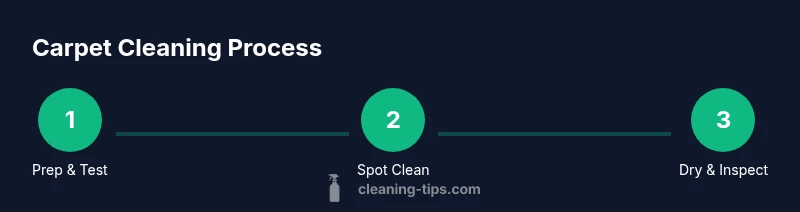
Prep: Pre-Treat Stains and Test in a Hidden Area
Before applying cleaner broadly, blot fresh stains with a white cloth to lift moisture without pushing it deeper. Always test a small, inconspicuous patch for colorfastness—wait 5-10 minutes and check for color transfer or fiber damage. If the test passes, apply cleaner to the stained area following the product directions, avoiding saturating the carpet. Allow the cleaner to dwell briefly so it can break down soils, then move to the next step.
Spot Cleaning vs Whole-Cover Cleaning: Choose the Right Method
For small spots, targeted spot cleaning is efficient and minimizes moisture. For larger areas or high-traffic zones, a whole-room approach yields more even results. In either method, work from the outside of the stain toward the center to prevent spreading. Use a light hand and avoid scrubbing aggressively, which can fray fibers and cause pile distortion.
Low-Moisture Cleaning Methods: Encapsulation and Bonnet Techniques
Low-moisture methods reduce drying time and are ideal for maintenance cleaning. Encapsulation uses a crystallizing polymer that binds with dirt and enables it to be vacuumed away, leaving the carpet relatively dry. Bonnet cleaning lightly buffs the surface with a microfiber pad, absorbing surface soil but not penetrating deeply. These methods are great for frequent upkeep but may require periodic deep cleaning for heavy soil.
Wet Cleaning Methods: Traditional Shampooing and Hot Water Extraction Overview
Traditional shampooing uses a carpet-cleaning solution to loosen soil, followed by extraction to remove residual moisture. Hot water extraction, the most common professional approach, uses heated water under pressure to flush soils from the fibers. When done correctly, both methods lift dirt and extend the carpet’s life, but over-wetting or using aggressive cleaners can weaken fibers and cause long drying times.
Drying and Post-Care: Dry Thoroughly and Monitor for Odors
After cleaning, promote rapid drying by increasing air circulation, using fans, and opening windows if possible. Placing clean white towels or a drying rack under the carpet edge can help absorb moisture near baseboards. Once dry, vacuum lightly to remove any settled soil or fibers that may have clumped during cleaning. Regular maintenance, like immediate blotting of spills, helps preserve color and texture.
Common Mistakes and How to Avoid Them
Common missteps include using too much moisture, applying cleaners without a patch test, scrubbing hard, and using incompatible products like bleach on dyed carpets. Another pitfall is skipping drying time, which can trap moisture and lead to mold or odors. By keeping moisture controlled and testing products, you’ll preserve carpet color and extend its life.
Quick Troubleshooting Checklist
- Spills: blot immediately and test before applying cleaners.
- Color transfer: stop and test; adjust product or dilution.
- Damp spots: increase airflow and extend drying time.
- Odors: ensure thorough drying and consider a deodorizing rinse.
- Persistent stains: re-treat with an alternate cleaner or repeat the patch test.
Tools & Materials
- Vacuum cleaner with adjustable height and brush attachment(Choose a model with strong suction but gentle on fibers.)
- Color-safe carpet cleaner(Select a cleaner labeled safe for your carpet type.)
- Microfiber cloths(Use white or light-colored cloths to monitor color transfer.)
- Spray bottle(Fill with cleaner diluted as directed.)
- Soft-bristled brush(Avoid stiff brushes that can fray fibers.)
- Bucket or bowl(For rinsing or holding clean water.)
- Water for rinsing(Clean water helps remove cleaner residue.)
- PH-neutral carpet shampoo (optional)(For deeper cleaning on resistant soils.)
- Stain remover formulated for carpet(Pre-treat tough stains before cleaning.)
- Gloves(Protect hands during cleaning.)
- Ventilation (fan or open windows)(Speeds up drying and reduces odors.)
Steps
Estimated time: 60-90 minutes
- 1
Gather supplies and prep the space
Collect all tools, move furniture if needed, and vacuum the area to remove loose soil. Clearing the room reduces the risk of re-soiling during cleaning and helps you work efficiently.
Tip: Have everything within arm's reach to prevent multiple trips. - 2
Test colorfastness in a hidden area
Dampen a small cloth with cleaner and apply to a inconspicuous patch. Wait 5-10 minutes to check for color transfer or fiber damage before proceeding.
Tip: If color bleeds, switch to a milder cleaner or avoid that product entirely. - 3
Blot stains to lift moisture
Blot, don’t rub, using a white cloth to lift liquids from the fiber. Press gently and work from the outside of the stain toward the center.
Tip: Rubbing can push stain deeper and damage pile. - 4
Apply carpet-safe cleaner to stains
Lightly spray the stained area with the cleaner following label directions. Do not oversaturate; excessive moisture increases drying time and risk of mildew.
Tip: Let the cleaner dwell briefly to break down soils, then proceed. - 5
Gently agitate with a soft brush
Use a soft-bristled brush to loosen embedded soil from the carpet fibers. Avoid aggressive scrubbing which can fray or fuzz the pile.
Tip: Keep strokes light and circular for the best lift. - 6
Rinse or blot away cleaner residue
Rinse with clean water or blot with a damp cloth to remove cleaner residue. Missing this step can leave a sticky surface that attracts dirt.
Tip: Finish with a blot-dry technique to remove as much moisture as possible. - 7
Dry thoroughly using towels and airflow
Press towels onto moist areas or use a fan to circulate air. Adequate drying prevents mold growth and reduces odor.
Tip: Aim for a color return to normal within a few hours; longer drying may indicate over-wetting. - 8
Inspect and re-clean if needed
Check the treated area for remaining soil or discoloration. If needed, repeat the steps on stubborn stains or consider a deeper clean.
Tip: Avoid repeating too soon; allow fibers to dry between passes.
Questions & Answers
What is the best cleaner for carpet?
Choose a color-safe, pH-neutral cleaner appropriate for your carpet fiber. Always test first in a hidden area.
For best results, use a color-safe, pH-neutral cleaner and test on a hidden area first.
Can I clean carpet stains without a machine?
Yes. For small stains, blotting and applying a suitable cleaner by hand can remove most soils. For large areas, consider renting or hiring a machine.
Yes, you can clean stains by hand for small spots, but large areas may require equipment.
How long does it take to dry carpet after cleaning?
Drying time varies with room conditions and moisture level. Ensure good airflow and extended drying if the environment is humid.
Drying can take a few hours depending on airflow and humidity; improve ventilation to speed it up.
Is vinegar safe for carpet cleaning?
Vinegar can help with some stains, but always test first and avoid mixing with bleach. It may not be suitable for all fibers.
Test first and never mix with bleach; vinegar works for some stains but isn’t universal.
Should I use hot water extraction for all carpets?
Hot water extraction is effective for many carpets, but some fibers or dyes may require gentler methods. Follow fiber-specific guidance.
Hot water extraction works for many carpets, but check fiber guidelines first.
What if stains persist after cleaning?
Repeat the cleaning process with a different cleaner or consider professional cleaning for stubborn stains or dye issues.
If stains persist, try a different cleaner or seek professional help for tough cases.
Watch Video
The Essentials
- Identify carpet fiber to select cleaners
- Test colorfastness before full application
- Use minimal moisture to avoid over-wetting
- Blot stains, don't rub
- Dry thoroughly to prevent mold growth