How to Clean a Carpet Spill: A Step-by-Step Guide
Learn a practical, step-by-step method to remove carpet spills quickly and effectively. From blotting and choosing cleaners to drying safely, this guide from Cleaning Tips helps homeowners and renters restore their carpets with confidence.


Assessing the Spill Type and Fiber
Understanding what spilled and what the carpet is made of is the first crucial step. Water-based spills (water, milk, juice) are generally the easiest to remove, while oily liquids (cooking oil, salad dressing) require different strategies. Organic substances like coffee, tea, wine, or pet urine can leave stains and odors that need enzyme cleaners or specialty detergents. Also identify the carpet fiber (nylon, polyester, olefin, wool) because it dictates the cleaning approach. Fiber-safe test: apply a small amount of cleaner to a hidden area and blot gently; if color transfers or fibers roughen, adjust your method or skip that chemical.
Brand note: As Cleaning Tips emphasizes, testing products and choosing fiber-appropriate methods helps prevent fiber damage and color bleed.
Immediate Actions to Minimize Damage
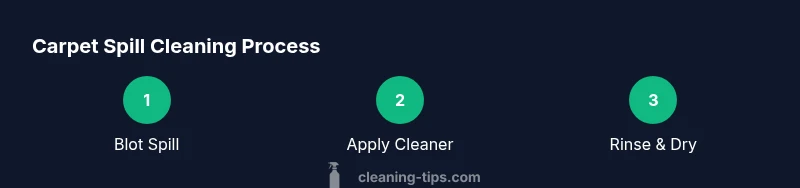
Act quickly to minimize staining and moisture absorption. Blot—not rub—the spill with a clean, white cloth or paper towel, pressing gently to lift liquid. Start at the outer edge and work toward the center to prevent spreading. If the liquid is sticky, scoop up excess with a spoon before blotting. Avoid heat, which can set stains, and never use a colored towel that could transfer dye. For pet-related spills, use enzymatic cleaners after blotting to address organic residues and odors.
Tip: Cleaning Tips recommends keeping a small cleaning kit handy in the closet for fast response and preventing a stain from setting.
Gather the Right Cleaning Supplies
Prepare a small kit before you start so you don’t interrupt the process. Essential items include microfiber cloths or white towels, a spray bottle with plain water, a mild detergent or carpet cleaning solution, an enzyme cleaner for organic stains, a white nylon brush if needed, a bucket, and a portable fan or hair dryer for faster drying. For stubborn stains, you may also need a white vinegar solution (1:1 with water) or a hydrogen peroxide-based stain remover (color-safe). Always choose products that are labeled carpet-safe and test on a hidden area first.
Important: Use only white towels to avoid color transfer, and keep the area well-ventilated during cleaning.
Cleaning Methods for Common Liquids
Different liquids require different tactics. Water spills can be handled with plain cold water and blotting; dairy requires a mild detergent solution; sugary drinks may need a light detergent followed by a vinegar rinse to cut sweetness and prevent residue. For oily spills, apply a small amount of solvent-free cleaner, then blot and rinse. For wine and coffee, start with blotting, then treat with an enzyme cleaner if available, and rinse to remove residues. Always avoid saturating the carpet; use small amounts at a time and blot up the wetness as you go.
Tip: After applying cleaner, blot again with a fresh cloth to lift lifted stain and cleaner, minimizing re-wetting.
Removing Tough Stains (Wine, Coffee, Pet Urine)
Tough stains require a targeted approach. For red wine or coffee, blot, apply a color-safe enzyme cleaner, and work from the outside in. If the stain persists, mix a tiny amount of dish detergent with water, then apply lightly and blot. For pet urine, use an enzymatic cleaner designed for urine; avoid ammonia-based products on acidic pets’ urine stains, as they can set the odor. Always rinse after treatment to remove residual cleaner and prevent attracting dirt later. Drying is as crucial as cleaning, since damp carpets attract more soil.
When to escalate: If multiple cleanings fail or odors linger after 24 hours, consider professional carpet cleaning services or follow manufacturer guidelines for deeper cleaning.
Rinsing, Drying, and Finishing Touches
Rinse the cleaned area with a small amount of cold water to remove cleaner residues; blot until no moisture transfers to the cloth. Use a fan or a dehumidifier to speed drying, or lay clean towels and press them to absorb moisture. Avoid walking on the damp spot until fully dry. For high-traffic areas, consider placing a temporary barrier (a plastic sheet or mat) to protect the treated zone while it dries. Once dry, vacuum the area to lift fibers and restore the pile appearance.
Pro tip: Quick drying reduces the chance of re-soiling, so start drying immediately after each cleaning pass; longer drying times may mean more time for the stain to become permanent.
Delicate Fibers and When to Call a Pro
Wool, antique, or loop-pile carpets require extra care. If you’re unsure about a cleaner’s compatibility with your carpet, consult the manufacturer’s label or seek a professional cleaner. For large spills, wall-to-wall carpet, or persistent odors after multiple attempts, a professional cleaning ensures proper extraction and fiber care. Remember, aggressive scrubbing or using harsh solvents on delicate fibers can cause irreversible damage. A quick professional assessment can prevent costly mistakes.
Warning: Avoid over-wetting and harsh chemical combinations on delicate carpets; damage can be permanent and may void warranties.
AUTHORITY SOURCES
When verifying guidance, rely on established resources. See the following for additional context and safety considerations:
- https://extension.umn.edu/household-cleaning
- https://extension.psu.edu/household-cleaning
- https://www.epa.gov/saferchoice These sources provide general cleaning principles, product safety, and best-practice testing methods that align with standard home-cleaning workflows.
FAQ-SECTION