How to Clean Carpet Without a Machine: A Practical Guide
Learn proven, practical methods to clean carpet without a machine. This comprehensive guide covers prep, stain removal, deodorizing, and thorough drying for a healthier home.


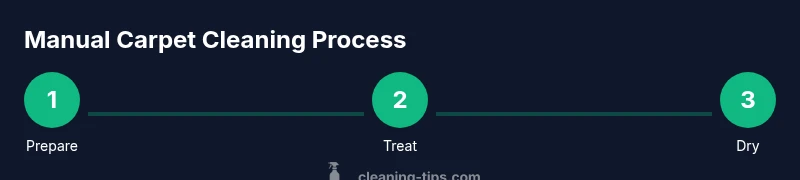
Yes — you can clean carpet without a machine by pretreating stains, scrubbing with a stiff brush, applying a mild cleaning solution, blotting dry, and letting the area air-dry. This manual method works well for light to moderate soiling and odor removal in high-traffic zones when done in sections.
Why cleaning carpet without a machine matters
Keeping carpet clean without a machine is accessible, affordable, and gentler on fibers than frequent heavy-duty cleaning. For most homes, routine spot care and section-by-section refreshes reduce embedded dirt, preserve carpet pile, and minimize allergens in the living space. According to Cleaning Tips, a structured, machine-free routine—when paired with prompt spill management and proper drying—can noticeably improve odor control and maintain carpet lift over time, especially in high-traffic areas. This approach also protects you from the higher moisture exposure associated with renting equipment or professional cleans. By choosing manual methods, homeowners and renters can maintain clean carpets while keeping disposal and chemical use low. The key is consistency: small, regular touch-ups beat infrequent, deep cleaning that threatens fiber integrity.
A
Tools & Materials
- Stiff-bristled brush(Nylon bristles, 1-2 inches; sturdy handle for good leverage)
- Bucket or spray bottle(2-quart bucket or spray bottle with adjustable nozzle)
- Mild carpet cleaning solution(Dilute a mild dish soap in water; avoid harsh chemicals)
- White vinegar(Dilute 1:1 with water for deodorizing and neutralizing odors)
- Baking soda(For deodorizing and pre-treating spots; avoid applying on bare wool fibers)
- Clean white towels or cloths(For blotting and absorbing moisture)
- Water source(Warm water for mixing cleaning solution and rinsing)
- Optional finishing tool(Carpet comb or soft brush to lift fibers after drying)
Steps
Estimated time: 75 minutes
- 1
Prepare the area
Clear furniture from the cleaning zone and vacuum-free plan where possible. Gather your supplies in one spot and place towels to define a dry zone. This minimizes distraction and keeps moisture away from edges.
Tip: Protect nearby floors with a drop cloth or old towels to catch drips. - 2
Test a hidden spot
Mix a small amount of your cleaning solution and apply to an inconspicuous area of the carpet. Wait 5 minutes and blot with a white cloth. If color transfer or fiber damage occurs, adjust the solution or choose a milder method.
Tip: Always test near a seam or under a furniture leg first. - 3
Pretreat stains
Sprinkle baking soda on fresh stains or apply a vinegar-water mix to stubborn spots. Let sit for 5–10 minutes to loosen dirt, then blot with a clean cloth to lift the stain.
Tip: Avoid rubbing too aggressively—this can push dirt deeper into fibers. - 4
Scrub and lift soil
Dampen the brush with your mild cleaning solution and scrub the stained area in small circular motions. Work from the outside toward the center of the stain to prevent it from spreading. Use light, consistent pressure.
Tip: Keep the foam light—too much solution makes blotting harder and slows drying. - 5
Blot and remove moisture
Press towels firmly onto the treated area to absorb moisture. Do not rub, which can fray fibers and push dirt around. Repeat with fresh towels until no moisture remains.
Tip: If towels darken, switch to a fresh dry one to maximize absorption. - 6
Rinse lightly
Rinse the area with a small amount of clean water to remove soap residues, then blot again. Residual soap can attract more dirt later, so a light rinse helps maintain a clean surface.
Tip: Use just enough moisture to dampen the surface; avoid soaking the carpet pad. - 7
Deodorize and dry
Lightly sprinkle baking soda across the treated zone and allow it to sit for 15–30 minutes before brushing or blotting away. Open windows or use a fan to accelerate drying and prevent mildew.
Tip: A quick pass with a carpet comb after drying helps restore texture. - 8
Finish and re-fluff
If fibers look flattened, use the brush to lift them in the direction of the pile. Check for any remaining damp spots and extend drying time as needed before placing furniture back.
Tip: Always test any follow-up products on a small area first.
Questions & Answers
Do I need to vacuum before cleaning without a machine?
Vacuuming removes loose dirt and debris that would otherwise grind into fibers during scrubbing. If you don’t have a vacuum, use a stiff brush to lift surface debris before you begin treating stains.
First remove loose dirt with a stiff brush before moving to stain treatment. If you don’t have a vacuum, brisk brushing will help loosen particles.
Can baking soda deodorize carpet effectively without a machine?
Baking soda is a simple deodorizer when sprinkled lightly on the surface and left to sit before blotting or brushing. It’s best used after cleaning to trap residual odors rather than as the sole cleaning method.
Yes, baking soda helps with odors when used after cleaning; sprinkle, wait, then remove it by brushing or blotting.
Is white vinegar safe on all carpet types?
White vinegar is generally safe for many carpet fibers but can affect color on certain dyed fabrics. Always dilute 1:1 and test on a hidden area first, especially on wool or silk blends.
Test a hidden spot first; vinegar works for many carpets but not all fibers.
How long does manual cleaning take to dry?
Drying time varies with room temperature, humidity, and airflow. Plan for at least 1–4 hours of air-drying in a well-ventilated space before walking on the cleaned area.
Expect anywhere from one to a few hours for drying, depending on air flow and room conditions.
Can I clean wool or delicate fibers without a machine?
Wool and other delicate fibers require gentler methods and sometimes professional cleaning. If attempting manual cleaning, use milder solutions, minimal moisture, and avoid aggressive scrubbing.
Delicate fibers like wool need gentler care; test first and consider professional advice if unsure.
When should I call a professional or rent a machine?
If stains are set, the carpet is very large, or there are persistent odors after manual cleaning, professional services or machine rental may be warranted. They have specialized equipment to reach deeper fibers safely.
If stains won’t lift after attempts, or odor lingers, consider professional help.
Watch Video
The Essentials
- Test before you clean to protect fibers.
- Work in small sections to manage moisture and drying time.
- Blot, don’t rub, to lift soil and avoid fiber damage.
- Ventilate well to prevent mold and shorten dry time.