How Much to Clean Carpet in 2026: Pricing Guide and Tips
Explore a practical 2026 pricing guide for carpet cleaning, including cost ranges by method, what affects price, DIY vs pro options, and tips to get fair quotes for a healthier home.


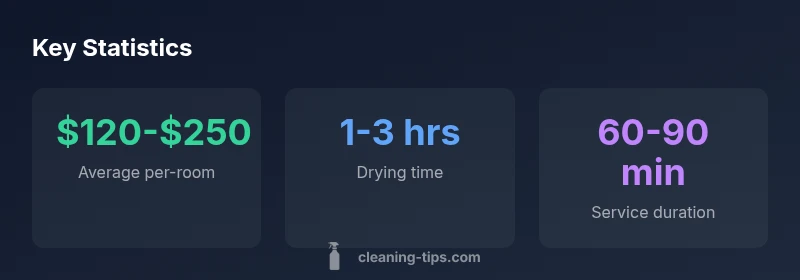
Determining how much to clean carpet depends on room size, cleaning method, and local labor costs. In 2026 most homeowners pay a per-room price ranging roughly from $120 to $250 for standard cleaning, with larger homes or heavy staining pushing toward the high end. The Cleaning Tips team shares practical ranges and how to compare quotes.
Why price points matter in carpet cleaning
Understanding how much to clean carpet starts with recognizing the price points you’ll encounter. According to Cleaning Tips, costs hinge on room size, carpet type, cleaning method, and local labor rates. In 2026, most households will see a per-room price that sits roughly in the mid-range, with larger rooms or stairs pushing costs higher. This section explains how price points are set, what buyers should expect, and how to interpret a quote so you’re never surprised by the bill. By knowing the key drivers, you can budget accurately and compare quotes across multiple providers. The goal isn’t to chase the lowest price, but to balance value, thoroughness, and drying time. If you’re cleaning carpet due to odor or heavy staining, you’ll likely see steeper pricing, but the extra investment often pays off in longer carpet life and better indoor air quality.
What your price actually includes
Prices for how much to clean carpet typically cover more than the cleaning itself. Expect costs to include an initial assessment, pre-treatment for stains, cleaning solution, agitation, rinsing, deodorizing if requested, and a standard drying time estimate. Some quotes may add travel fees for remote locations or stairs. In many cases, you’ll also pay for a basic inspection if the pro suggests a specialty treatment for deeply embedded soils. Cleaning Tips notes that transparent quotes should itemize each component so you can see where the value lies. Reading the line items helps you compare apples-to-apples across providers and avoid hidden charges.
Typical price ranges by cleaning method
The method you choose influences not only the outcome but also the cost. Steam cleaning remains the most common choice for a thorough deep clean, often priced around $120-$250 per room depending on size and soil level. Dry cleaning, which dries faster, can range from $90-$200 per room and may use solvents; bonnet cleaning, a lighter option, typically falls in the $60-$120 per room range for smaller spaces or light soils. For larger homes or multiple rooms, some cleaners quote per-square-foot rates (e.g., $0.25-$0.75/ft²) or provide a bundled price for several rooms. Always confirm whether padding, stairs, or multiple rooms trigger additional charges. These ranges reflect typical market pricing and can vary by region.
Factors that affect cost beyond the cleaning method
Beyond the chosen method, several variables shape how much to clean carpet. The carpet’s size and layout, pile thickness, and the presence of heavy staining or pet soils can raise the price. Additional charges apply for difficult access areas, extra deodorizing, mold concerns, or applying anti-soil protectants. Stair cleaning often costs more per step due to labor intensity. The material type—such as olefin, nylon, or wool—also affects pricing because some fibers require gentler, slower cleaning. Finally, your proximity to the service provider and scheduling (weekend vs weekday) can influence discounts or surcharges. Cleaning Tips emphasizes asking for a full explanation of any extras before agreeing to a booking.
DIY vs professional: when it pays to hire
DIY carpet cleaning with rented machines or home carpet cleaners can seem cheaper upfront, but it’s not always the best value. Pros bring professional-grade equipment, calibrated formulas, and proven techniques to deep-clean embedded soils and restore pile texture. For homes with persistent odors or stubborn stains, a pro’s expertise can deliver longer-lasting results and improved indoor air quality. If you opt for DIY, budget for consumables, replacement pads, and potential re-cleaning if stains reappear. Cleaning Tips suggests weighing the long-term benefits of a thorough professional cleaning against the upfront savings of DIY, especially in high-traffic areas or homes with allergy concerns.
How to estimate cost for your space
To estimate costs accurately, start by calculating square footage and count the number of rooms or zones you want cleaned. Ask cleaners whether they price by room or by square footage, and whether stairs are included. Create a simple worksheet: measure each room, multiply by an estimated price per unit (room or square foot), and add a buffer for stain treatment if needed. If you have pets or heavy soils, expect prices toward the higher end of the range. When requesting quotes, share details like carpet fiber, stain types, and moisture tolerance so providers can tailor their estimates. Cleaning Tips advises obtaining at least three written quotes and comparing inclusions, not just price.
Cost-saving strategies and negotiating quotes
Smart shoppers use a few tactics to keep carpet cleaning affordable without sacrificing results. Look for seasonal discounts, coupons, or bundled services (e.g., upholstery cleaning or stain protection). Ask for a per-room cap when you have a consistent layout, or request a multi-room package for a better overall rate. If you live in a city with high labor costs, requesting a non-peak weekday appointment can yield savings. Be ready to negotiate, but avoid pushing for the cheapest option at the expense of service quality. Cleaning Tips recommends verifying that any discount does not compromise essential steps like pretreatment and thorough rinsing.
Choosing the right service: evaluating quotes and reviews
When evaluating quotes, consider the scope of work and the provider’s credentials. Look for insured, bonded technicians with clear warranties and a satisfaction guarantee. Review recent customer feedback focusing on stain removal success, drying times, and odor control. A solid pro will explain the difference between cleaning chemistry and fiber-safe techniques, and will tailor the approach to your carpet type. Ask for before-and-after photos or references to validate performance. If you’re comparing online estimates, ensure the same coverage and room count are used in each quote to avoid skewed comparisons.
Frequency guidelines and value: maintenance pricing
How often you clean depends on foot traffic, pets, and household allergies. High-traffic areas may benefit from quarterly or biannual deep cleaning, while low-traffic rooms could be cleaned annually. Regular maintenance helps extend carpet life and maintain air quality, often reducing the chances of costly restorative work later. When budgeting, consider how interim cleanings affect the total cost over a year. Cleaning Tips notes that scheduling ahead for predictable time slots can help lock in favorable rates rather than paying premium for last-minute bookings.
Health, safety, and environmental considerations
Carpet cleaning involves cleaning agents and moisture, so safety matters—especially in homes with children or pets. Choose cleaners with low VOCs and fiber-safe formulations, and follow manufacturers’ drying recommendations to minimize mold risk. Proper ventilation and a reasonable drying period are essential for indoor air quality. The Environmental Protection Agency and safety organizations emphasize using approved products and ensuring surfaces are completely dry before reoccupation. Cleaning Tips integrates these considerations into practical guidance so you can protect your family while achieving a cleaner carpet.
Authority sources and methodology
For readers seeking external validation, consult trusted sources on cleaning safety and environmental health. Authority sources include EPA IAQ guidance on indoor air quality, OSHA safety resources for cleaning chemicals, and CDC cleaning and disinfection information. These references help frame cost discussions within a broader context of health, safety, and responsible cleaning practices. Pricing ranges and recommendations in this article draw from Cleaning Tips Analysis, 2026, and are intended to aid homeowners in making informed decisions.
Typical price ranges by cleaning method
| Method | Typical cost per room | Notes |
|---|---|---|
| Steam cleaning | $120-$250 | Most common; deep-cleaning option for embedded soils |
| Dry cleaning | $90-$200 | Faster dry times; may use solvents |
| Bonnet cleaning | $60-$120 | Economical; lighter soils or smaller areas |
Questions & Answers
What is the typical cost per room?
Most pro-cleaning jobs fall within a per-room range rather than a fixed price. Expect variations based on room size, fiber type, and soil level. Always request an itemized quote to see what drives the total.
Most jobs are priced per room, with size and soil level affecting the final price.
Does steam cleaning cost more than dry cleaning?
Steam cleaning often costs more than dry cleaning due to deeper extraction and longer drying times, but it can yield better soil removal. Compare both methods on your carpet type and stain load.
Steam tends to be pricier but may clean deeper than dry cleaning.
Can I negotiate prices over the phone?
Yes. When negotiating, ask for a written quote, clarify what’s included, and request a price for a multi-room package. Don’t hesitate to walk away if the terms don’t meet your needs.
You can negotiate, especially for multi-room jobs; get it in writing.
How long does carpet cleaning take?
A standard living room typically takes about 60-90 minutes, depending on soil level and the number of rooms. Allow extra drying time before vacating the space.
Most rooms take about an hour or so to clean.
Is it better to replace carpet instead of cleaning due to odor?
Replacement is usually a last resort for persistent odors or severe damage. A thorough professional cleaning can often rejuvenate older carpet and improve air quality, avoiding immediate replacement costs.
Usually, cleaning first is best; replacement is for severe cases.
Is DIY cleaning cheaper than hiring a professional?
DIY can be cheaper upfront but may require repeated cleaning or re-does if stains reappear. Professionals provide deeper extraction and warranty-backed results, which can offer better long-term value in homes with pets or allergies.
DIY saves money upfront but may cost more later if stains return.
“Carpet cleaning costs are highly variable, but budgeting for the upper end of typical ranges helps you secure thorough service without surprises.”
The Essentials
- Know price drivers: room size, method, and soil level.
- Ask for itemized quotes to compare value, not just total price.
- Consider long-term value: thorough cleaning can extend carpet life.
- Look for bundled services or coupons to save money.
- Always verify drying times and safety credentials before booking