Best Way to Clean White Shoes: Safe and Easy Guide
Discover the best way to clean white shoes with a practical, step-by-step approach for canvas, leather, and suede. Learn safe cleaners, stain removal, and proper drying to keep sneakers bright and like-new.


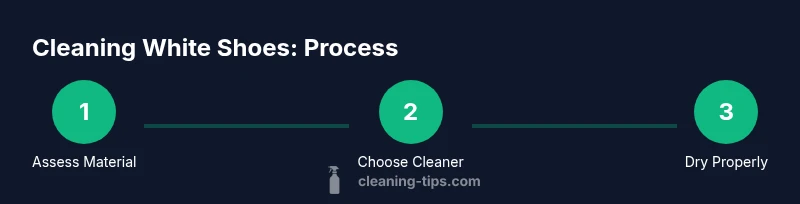
With this guide, you will learn the best way to clean white shoes across canvas, leather, and suede. You’ll choose safe cleaners, tackle stains effectively, and dry properly to prevent yellowing. A material-aware, step-by-step plan helps you keep sneakers bright and like-new without damage. It includes laces, soles, and interior care, plus quick fixes for common issues.
Why whitening shoes requires thoughtful care
White shoes represent a clean, bright aesthetic, but they demand careful maintenance to stay that way. The best way to clean white shoes starts with understanding the material you’re cleaning and choosing cleaners that won’t degrade fabrics or colors. When you approach canvas, leather, and suede differently, you reduce the risk of water marks, color bleed, or stiffness. The Cleaning Tips team emphasizes a routine that balances effectiveness with fabric sensitivity. Regular, gentle cleaning beats aggressive scrubbing, which can dull the surface or abrade delicate fibers. In this section you’ll learn why material-aware care matters and how small habits—like wiping spots right away and storing shoes in a breathable bag—preserve whiteness over time.
Material matters: canvas, leather, suede
Different materials respond to cleaners in distinct ways. Canvas and mesh breathe and absorb moisture, suede has nap that can trap stains, and leather can crack when over-wetted. The best way to clean white shoes hinges on recognizing these differences and tailoring methods accordingly. For canvas, water plus mild detergent often works well. For leather, you’ll lean toward gentler products and less moisture. Suede requires specialized care to avoid water stains. The Cleaning Tips team recommends a quick material-categorization before you start, so you can switch techniques without compromising the shoe’s form or color.
What you’ll need: cleaners, brushes, and cloths
Preparing the right tools is half the battle. A soft-bristled brush, an old toothbrush, microfiber cloths, mild detergent, warm water, and a drying surface are essentials. Optional purifiers like baking soda, white vinegar, and hydrogen peroxide live in reserve for stubborn stains. Having laces removed and washed separately helps, as does using shoe trees or rolled paper inside the shoes to maintain shape during drying. The goal is to create a gentle cleansing routine that lifts grime without saturating the material or causing color bleed. Safety gear such as gloves can protect your hands from cleaners.
Canvas and mesh cleaning method
Canvas and mesh are often the easiest to clean, but they stain quickly. Start by removing loose dirt with a dry brush, then mix a small amount of mild detergent in warm water. Dip your brush or microfiber cloth, wring lightly, and gently scrub in circular motions. Rinse with a clean cloth dampened with water to remove soap residue. For stubborn stains, a paste of baking soda and water can be applied, allowed to sit for 5-10 minutes, then scrubbed away. Be careful not to soak the fabric; excess moisture can lead to creasing or color shifting. Finally, blot dry with a towel and let air-dry completely before wearing.
Leather and synthetic leather cleaning method
Leather and synthetic leather require a lighter touch. Use a cleanser designed for leather, or a diluted mild soap solution, applied with a soft cloth. Wring the cloth well to avoid soaking the surface. Gently wipe the shoe, paying attention to seams and edges where dirt hides. Do not saturate leather; moisture can lead to stiffness or cracking. After cleaning, apply a small amount of conditioner or protectant suitable for the material to maintain suppleness and finish. For white leather, a dedicated whitening product can be used sparingly, following the product’s instructions.
Rubber soles and keeping the bright edge
The soles are often the easiest part to refresh. Create a separate cleaning solution of warm water with a touch of mild detergent, then scrub the rubber with a stiff-bristled brush to remove scuffs and discoloration. For yellowed edges, a paste of baking soda and water or a small amount of white vinegar can help. Rinse the area thoroughly to prevent soap from seeping into the upper materials. Dry the soles with a towel and allow the entire shoe to dry completely before re-lacing.
Drying and odor control after cleaning
Proper drying is critical to prevent new odors and discoloration. Remove excess moisture by pressing a towel against the surface, then stuff the toe box with clean paper or shoe trees to maintain shape. Air-dry away from direct sunlight and heat sources, which can warp materials or fade color. If odor remains, sprinkle a light amount of baking soda inside the shoes and let sit overnight before brushing out. Revisit the inside after drying and consider a deodorizing spray safe for the material to keep them fresh.
Post-cleaning care and long-term whitening
To extend whiteness, incorporate a light routine: wipe down after each wear, store in a cool, ventilated area, and avoid harsh cleaners or bleach on delicate materials. For canvas sneakers, consider a soft whitening wash or paste applied sparingly, followed by thorough rinsing and drying. For leather, protective sprays create a barrier against moisture and stains. Regular maintenance—the small steps you perform after each wear—adds up to noticeably brighter shoes over time. The goal is a sustainable routine rather than a one-off deep clean.
Common mistakes to avoid and how to fix them
Never submerge leather or suede in water; excessive moisture damages texture and finishes. Avoid harsh bleach-based cleaners that can yellow the surface. Test any new cleaner on an inconspicuous area first, especially with suede or dyed fabrics. If a stain sets, don’t panic—try a gentle re-cleaning pass or a material-appropriate stain remover pen. If you’ve over-wetted an area, blot and apply dry towels to pull moisture. Finally, avoid direct heat for drying; it can warp materials and shrink fabrics.
Quick-start checklist and final tips
Before you start: remove laces and set aside; choose the appropriate cleaner for your shoe type; assemble brushes and cloths. During cleaning: work in small sections, rinse frequently, and avoid pooling water on the upper. After cleaning: air-dry completely, re-lace, and store away from sunlight. This systematic approach keeps your whites bright and minimizes damage.
Tools & Materials
- Soft-bristled brush(Nylon or horsehair brush; use for canvas and suede surfaces)
- Old toothbrush(Detail cleaning in seams and eyelets)
- Microfiber cloths(Lint-free for wiping and drying)
- Mild detergent or dish soap(Unscented if possible; diluted in water)
- Warm water(For dilution and rinsing)
- Baking soda(Whitening paste for canvas)
- White vinegar(Dilute 1:2 with water for spot treatment)
- Hydrogen peroxide (3%)(Use only for stubborn yellowing on white fabrics; test first)
- Paper towels or clean towels(Blot and dry; absorb moisture)
- Shoe trees or clean paper(Maintain shape during drying)
- Protective gloves(Skin protection when using cleaners)
Steps
Estimated time: 60-90 minutes
- 1
Remove laces and inspect
Take out laces to clean separately and inspect for stubborn stains or discoloration on the tongue. Laces can be washed in warm, soapy water or replaced if worn. This step ensures you clean without obstruction and prevents dirt from transferring during the main cleaning.
Tip: Laces can be washed in a mesh bag to prevent tangling. - 2
Brush off loose dirt
Dry-brush the surface to remove loose dirt and dust. This reduces mud transfer to the cleaning solution and minimizes scrubbing that could grind in grit. Focus on seams and soles where grime tends to accumulate.
Tip: A dry brush before wet cleaning makes deep cleaning easier and more effective. - 3
Prepare cleaning solution
Mix a small amount of mild detergent with warm water in a bowl. For canvas, a gentler mixture is best; leather needs less moisture. Do not create a sudsy bath that soaks the shoes. The goal is a damp, not soaked, surface.
Tip: Test the solution on an inconspicuous area first. - 4
Clean canvas/mesh areas
Dip a brush or cloth into the solution and scrub canvas or mesh in gentle, circular motions. Rinse with a clean cloth dampened with water to remove soap residue. If stains persist, apply a baking soda paste, let sit briefly, then scrub again.
Tip: Avoid saturating the fabric; excessive moisture can warp or stain leather nearby. - 5
Treat leather or synthetic leather
Dampen a soft cloth with the diluted detergent solution or a leather-safe cleaner and wipe the surface. Avoid heavy moisture; leather should stay mostly dry. After cleaning, wipe with a dry cloth and allow to air-dry completely before applying a conditioner if appropriate.
Tip: Never scrub aggressively on leather; this can scar the finish. - 6
Clean rubber soles and accents
Use a stiffer brush dipped in soapy water to scrub rubber soles. For yellowed edges, apply a baking soda paste or a small amount of white vinegar, then rinse thoroughly. Dry thoroughly to prevent transfer to upper materials.
Tip: Keep cleaning solution off the fabric; soles are less sensitive but can transfer grime upward. - 7
Rinse and blot
Wipe away soap with a damp cloth, then blot excess moisture with towels. Do not rinse endlessly; excess water can soak into the midsole and upper. Remove surface moisture to speed up drying and reduce staining risk.
Tip: Carefully wring cloths to avoid splashing water into seams. - 8
Dry properly
Air-dry in a well-ventilated area away from direct heat or sunlight. Use shoe trees or paper to maintain shape while drying. Do not use a hair dryer or heater, which can warp materials or fade color.
Tip: If odor lingers, sprinkle a little baking soda inside after drying and shake out the next day. - 9
Re-lace and protect
Once completely dry, re-lace the shoes and optionally apply a leather or fabric protectant suited to the material. This helps repel moisture and stains, extending the time between full cleans.
Tip: Store in a breathable bag to minimize dirt exposure when not in use.
Questions & Answers
Can I machine-wash white sneakers?
Machine washing can damage some materials, especially leather or suede, and may loosen glues. If you do choose to machine-wash, use a gentle cycle in a mesh bag and air-dry away from heat. Always check manufacturer guidelines first.
Machine washing can damage certain materials. If you must, use a gentle cycle in a bag and air-dry away from heat. Always check the label.
What is the safest cleaner for canvas white shoes?
A mild dish soap with warm water is usually safest for canvas. For tougher stains, a baking soda paste can help; rinse well afterward. Avoid harsh bleaching products that can weaken fibers.
For canvas, start with mild soap and warm water, and use baking soda paste for stubborn stains if needed.
How do I whiten yellowed rubber soles?
A baking soda paste or a small amount of white vinegar can lift yellowing on rubber. Scrub gently, rinse, and dry completely. Repeat if necessary, but avoid over-wetting the upper materials.
Try a baking soda paste on the soles, then rinse and dry fully.
Can hydrogen peroxide damage white shoes?
Hydrogen peroxide can help with stubborn whitening on white fabrics, but it can discolor or weaken certain materials if overused. Test on a small area and dilute appropriately. Do not apply directly to leather without guidance.
Test on a small spot and dilute; avoid applying heavily on leather.
Should I air-dry or use a fan for faster results?
Air-drying in a well-ventilated area is safest and most even. A fan can help, but avoid direct heat sources. Ensure shoes hold their shape during drying.
Air-dry in a ventilated space; a fan is okay but keep away from heat.
What if my shoes have logos or decals that stain easily?
Be extra gentle around logos and decals. Use a soft cloth with minimal cleaner to avoid removing color or coating. For delicate areas, consider spot cleaning and protective coverings after cleaning.
Clean around logos gently; spot clean and protect afterward.
Watch Video
The Essentials
- Start with material-aware cleaning to prevent damage
- Use gentle cleaners and minimal moisture on leather
- Air-dry completely to prevent yellowing and odor
- Test cleaners first to avoid color loss or texture changes
- Maintain whiteness with a light, regular care routine