How to Clean White Shoes: A Practical, Step-by-Step Guide
Learn practical, material-aware methods to clean white sneakers, from canvas to leather and suede. This guide covers tools, step-by-step instructions, and pro tips for brighter whites.


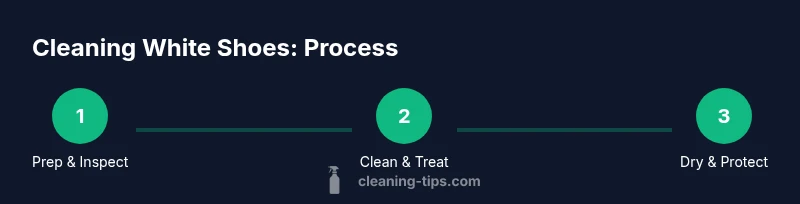
Goal: learn how clean white shoes with confidence using material-aware methods. Gather mild detergent, a soft brush, a microfiber cloth, clean water, and optional whitening boosters like baking soda or white vinegar. Identify canvas, leather, or suede, then apply appropriate steps, rinse gently, and air-dry away from sunlight to preserve materials and prevent yellowing.
Why whiteness matters
Whiteness on sneakers matters beyond style. It signals hygiene and care that extend the life of your footwear. If you are curious about how clean white shoes can stay bright, this guide explains practical methods that respect fabric, adhesives, and dye fastness. According to Cleaning Tips, maintaining bright whites starts with choosing the right approach for each material and avoiding harsh chemicals that can dull a finish. In this block we cover the big picture: what makes whites look fresh and how to set expectations for canvas, leather and suede. We also warn about yellowing from sun exposure and the risk of soaking delicate areas. With a clear plan you can bring back that new shoe glow without sacrificing durability.
Know your shoe material
Shoes come in canvas, leather and suede and each needs a different approach. Canvas is porous and forgiving; leather needs conditioning; suede is sensitive to water and requires gentle treatment. Rubber tips and toe caps may also differ in care. The method you choose should honor the material properties to prevent cracking, discoloration, or loss of texture. Adhesives used in construction can be weakened by soaking, so avoid full submersion. This section helps you decide which cleaning path to take before you begin and reduces the risk of damage.
Gather the right tools and materials
Before you start gather a few basics. You will want mild liquid detergent, white vinegar or baking soda, a soft brush or old toothbrush, a microfiber cloth, clean cool water, and optionally a shoe tree or crumpled paper to maintain shape. Keep an old towel to protect surfaces. Avoid hot water and abrasive cleaners that can erode colors or textures. Having everything ready saves time and prevents mid cleaning trips to the sink.
Clean canvas shoes step by step
Canvas shoes respond well to gentle suds and a careful brush. Start by removing loose dirt, then mix a small amount of mild detergent with cool water. Dip the brush and work in circular motions over the surface, paying attention to seams and logos. Wipe away suds with a damp cloth and repeat as needed. For stubborn marks a paste of baking soda and water can help without bleaching the fabric. Pro tip: test cleaner on a hidden area first to avoid color transfer.
Clean leather shoes step by step
Leather requires more care to avoid drying or cracking. Use a mild soap solution or a leather cleaner suitable for your leather type. Dip a soft cloth and wipe the surface with light, circular motions. Avoid soaking leather, as excess moisture can weaken the material. After cleaning, wipe with a clean damp cloth and air dry away from heat sources. Optionally apply a conditioner once fully dry to preserve suppleness. Pro tip: always finish with a small amount of conditioner on a soft cloth.
Clean suede shoes step by step
Suede needs the gentlest touch and protection against water. Use a suede brush to lift dirt before using a light cleaner such as a brush dampened with barely a drop of water. Do not saturate suede. If stains persist, consider a suede eraser or a professional cleaner. After cleaning, stuff the shoes and let them air dry in a well vented area away from direct sun. Apply a suede protector spray when fully dry. Pro tip: avoid any moisture until the suede is completely dry.
Stain specific strategies
Grass and dirt on white canvas respond well to baking soda pastes. For ink or dye stains, dab with isopropyl alcohol sparingly and test first on hidden area. For rubber soles a paste of baking soda and water or a whitening toothpaste can help lift grime. Always rinse and wipe away residue to prevent buildup. Pro tip: treat stains as soon as you notice them for best results.
Drying and deodorizing and storage
Always air dry shoes completely before wearing again. Stuff with paper or use shoe trees to maintain shape and avoid creasing. Do not dry in direct sunlight as it can yellow fabric. To deodorize use a sprinkle of baking soda inside and leave overnight, then shake out before wearing. Store shoes in a cool, dry place away from heat. Pro tip: keep pairs separated to avoid color transfer when damp.
Maintenance to keep whites bright
Regular cleaning is easier than deep whitening. Spot clean after wear to prevent stains from setting. Consider a brief weekly wipe with a mild brush and detergent for canvas and leather. Use a protectant spray appropriate for the material to repel water and stains. With consistent care you can keep white shoes looking fresh for longer. The Cleaning Tips team recommends following the step by step guide to maintain whiteness.
Tools & Materials
- Mild liquid detergent(Color-free if possible; avoid whitening formulas that contain bleach.)
- White vinegar or baking soda(For whitening and deodorizing; baking soda paste for stubborn stains.)
- Soft-bristled brush or old toothbrush(Small head for tough stains; avoid stiff bristles.)
- Soft cloth or microfiber towel(For wiping and drying.)
- Clean, cool water(Not hot; hot water can warp or discolor materials.)
- Shoe trees or crumpled paper(Help maintain shape during drying.)
- Old newspaper or towels(Protect surfaces and catch drips.)
- Optional: suede protector spray(Apply after suede cleaning is fully dry.)
Steps
Estimated time: 30-60 minutes
- 1
Inspect material and plan method
Check whether your shoes are canvas, leather, or suede. Decide on the cleaning approach based on material; avoid bleach on any colorfast fabric. This helps prevent damage and ensures effectiveness.
Tip: Document the material type before you start. - 2
Remove loose dirt
Brush the exterior to lift dirt and dust. Don’t scrub aggressively; you want to dislodge grime without grinding it into the fabric or seams.
Tip: Use short, light strokes and work from top to bottom. - 3
Prepare cleaning solution
Mix a small amount of mild detergent with cool water. The goal is a gentle solution that lifts grime without saturating the material.
Tip: Too much soap creates more residue to rinse away. - 4
Test in hidden area
Dab a bit of cleaner on a concealed spot to check colorfastness. If transfer or color change occurs, choose the gentler method or a specialized product.
Tip: Hidden spots include the inside tongue or underside. - 5
Gently scrub the surface
Dip the brush into the solution and use circular motions on the exterior. Cover seams and edges but avoid soaking where glue may be present.
Tip: Keep the brush damp not soaking wet. - 6
Rinse and wipe away residue
Wipe with a clean damp cloth to remove soap and lifted grime. Repeat if necessary until the surface looks clean.
Tip: Avoid running water directly into seams. - 7
Dry and treat stubborn stains
For tough marks use a paste of baking soda and water on canvas or a suede-friendly method for suede. Rinse or wipe away thoroughly after treatment.
Tip: Do not over-wet suede. - 8
Dry and protect
Air-dry away from direct sun; stuff shoes with paper to maintain shape. Once dry, apply conditioner for leather or protector spray for suede if appropriate.
Tip: Be patient; drying may take several hours.
Questions & Answers
Can I use bleach to whiten white shoes?
Bleach can cause discoloration or damage to certain materials and adhesives. Use milder cleaners and test first.
Bleach can damage your shoes; test in a hidden spot and consider gentler cleaners.
Is machine washing safe for white sneakers?
Only if the manufacturer allows it. Most canvas may survive, but leather and suede usually should not.
Check the label; most are not machine safe.
How can I whiten rubber soles without harsh chemicals?
Baking soda paste or whitening toothpaste can gently scrub soles; rinse well afterward.
Try baking soda paste on the soles.
How long does it take to dry white shoes after cleaning?
Air dry for 6-12 hours or until completely dry; avoid heat sources.
Let them dry fully overnight.
Can hydrogen peroxide be used on white shoes?
Hydrogen peroxide can whiten but may bleach fabrics; dilute and test first; avoid strong concentrations.
Dilute and test first.
Watch Video
The Essentials
- Choose the right method for canvas, leather, or suede.
- Use gentle products and avoid bleach on colorfast fabrics.
- Test cleaners on hidden spots first to avoid damage.
- Air-dry completely to prevent deformities.
- Regular cleaning keeps whites bright.