How to Clean Sneakers: A Practical Guide
Learn to clean sneakers safely at home with step-by-step methods for canvas, leather, and suede. Practical stain removal, drying, and care tips from Cleaning Tips.


This guide helps you clean a sneaker safely at home, protecting materials, colors, and shape. You’ll identify sneaker materials, test colorfastness, and choose the right cleaner and tools. Then you’ll follow a step-by-step routine for canvas, leather, and suede, ending with proper drying and storage to keep sneakers looking fresh. With a careful approach and the right supplies, you can remove dirt, restore whiteness, and extend the life of your clean sneaker while avoiding damage.
Why cleaning sneakers matters
Keeping your sneakers clean isn’t just about looks. Regular care helps preserve material integrity, prevent odor buildup, and extend the life of every pair. A properly cleaned sneaker resists staining, prevents color fading, and keeps traction where you rely on it most. The Cleaning Tips team notes that routine cleaning also reduces the spread of dirt into living spaces, supporting a healthier home environment. By learning to clean a clean sneaker correctly, you protect your investment, maintain resale value, and enjoy better wear over time. This section explains why material-aware cleaning matters and how small habits add up to big gains for your footwear care routine.
- Odor control and freshness
- Material preservation for canvas, leather, and suede
- Longevity and value of your sneakers
- Safer home cleaning practices
If you own frequent sneaker wear, this guide helps you build a simple, repeatable routine that yields results without harsh chemicals. According to Cleaning Tips, a thoughtful approach to sneaker care reduces long-term wear and keeps colors brighter longer. The team emphasizes starting with the least aggressive method and escalating only as needed to avoid unnecessary wear while you maintain your preferred style.
Material Identification and Care Philosophy
Sneakers come in a variety of materials, each demanding a tailored approach. Suede requires gentle handling and specialty products, leather benefits from conditioning after cleaning, and canvas or mesh typically tolerates a wider range of cleaners. The key is to identify the sneaker’s upper material, lining, and sole construction before selecting a cleaner and brush type. This knowledge helps you create a care plan that minimizes water exposure and protects colorfastness. For most sneakers, start with dry cleaning to remove loose dirt, then proceed to a damp cleaning method that matches the material. Cleaning Tips recommends storing your sneakers after cleaning in a well-ventilated space, away from direct sunlight to prevent yellowing and cracking. This approach aligns with best practices from reputable sources and sets the foundation for successful cleaning sessions.
Colorfastness Testing and Safety Protocols
Before applying any cleaning solution, perform a colorfastness test on a discreet area (inside tongue or seam). Apply a small amount of solution, wait 30 seconds, and blot with a white cloth. If color transfers or staining occurs, switch to a gentler method or a manufacturer-recommended product. This simple test helps prevent unexpected color bleed on white or light-colored sneakers. It also informs you about whether you should avoid water exposure altogether for certain surfaces, such as delicate leather finishes or suede overlays. Proper testing protects your sneaker investment and minimizes the need for remediation later.
Cleaning Methods by Material: Canvas, Leather, and Suede
Canvas and mesh fabrics tolerate mild detergents and light brushing. Leather benefits from a damp cloth and minimal moisture, with conditioning after drying to prevent stiffness. Suede is the most delicate: avoid water entirely when possible and rely on a suede brush and dedicated eraser for stains. The following material-specific guidance helps you select the right method without risking damage:
- Canvas: Use a mild detergent solution, soft brush, and gentle circular motions. Wipe away soap with a damp cloth and air-dry away from heat.
- Leather: Wipe with a damp microfiber cloth, use a leather-safe cleaner if needed, and condition after drying to prevent drying and cracking.
- Suede: Dry brush to lift dirt, apply suede-specific cleaner sparingly, and always air-dry; use a suede eraser for stubborn spots. Do not saturate suede, which can cause warping and color changes.
This material-aware approach prevents common issues such as color bleed, stiffness, and warping. Cleaning Tips suggests keeping moisture low for all materials and avoiding harsh chemicals that strip protective coatings or color.
Stain Removal Techniques: Common Stains and How to Tackle Them
Different stains require different techniques. Grass and dirt typically respond to a gentle detergent wash, while oil-based stains may need a solvent-based cleaner or baking-soda paste to lift the residue without spreading it. White sneakers often benefit from a whitening paste or oxi-based cleaner, used sparingly to avoid over-bleaching. For blue or colored fabrics, prefer color-safe detergents and test any product in an inconspicuous area first. Persistent stains deserve patience: reapply cleaner after initial cleaning, blot—don’t rub—then air-dry before inspecting for a second pass. The goal is to remove staining while preserving the original color and texture of the sneaker materials.
Rinsing, Drying, and Odor Control
Rinsing should remove all soap residues; wipe with a clean, damp cloth and check that no suds remain. Air-dry sneakers away from direct heat or sunlight to avoid warping and yellowing; stuff with paper towels or old socks to help retain shape and speed drying. Odor control can be improved with baking soda during storage or a light, breathable spray designed for footwear. Avoid direct heat which can shrink or crack uppers. Proper drying ensures you don’t trap moisture, which leads to sour smells or mold growth. Cleaning Tips highlights that thorough drying is as important as cleaning itself for a fresh, ready-to-wear sneaker.
Maintenance Habits to Extend Life
Regular quick cleaning after each wear session reduces deep cleaning frequency and preserves finish. Rotate pairs to avoid wearing down a single sneaker. Store in a ventilated area; keep out of damp basements and extreme heat. Replace worn-out laces, insoles, or support materials as needed to maintain comfort and fit. Finally, consider applying a protective spray appropriate for the sneaker’s material, which can help repel water and keep contaminants from setting in. These fast practices accumulate to longer-lasting sneakers and a lower cleaning burden over time.
Tools & Materials
- Mild detergent or sneaker soap(A small amount (few drops) per cup of water)
- Soft-bristle brush(0.5 inch bristles, gentle pressure)
- Old toothbrush(For seams and tight corners)
- Microfiber cloth(For wiping and drying)
- Water (cool to lukewarm)(Avoid hot water to protect materials)
- Towel or drying rack(Lay sneakers flat to dry)
- Shoe deodorizer or baking soda (optional)(Odor control between wears)
- Leather conditioner (optional)(Only after cleaning leather uppers)
Steps
Estimated time: 60-90 minutes
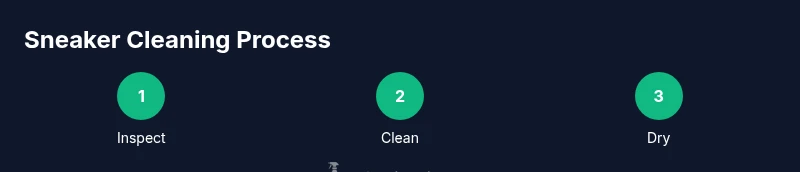
- 1
Inspect materials and test colorfastness
Identify the sneaker’s upper materials and lining. Perform a colorfastness test on a hidden area by applying a small amount of cleaner and blotting with a white cloth after 30 seconds. If no color transfers, you can proceed with cleaning steps. This protects the sneaker from unexpected color bleeding.
Tip: Always test first in a hidden area to avoid damaging visible surfaces. - 2
Remove loose dirt with a dry brush
Brush the entire surface with a dry, soft-bristle brush to lift dust and dirt. Use gentle, circular motions and focus on seams and creases where dirt collects. This minimizes water absorption during the wet cleaning stage.
Tip: Brushing before wet cleaning prevents mud from smearing into fabrics. - 3
Prepare cleaning solution
Mix a small amount of mild detergent with cool water in a cup or bowl. Use just enough solution to lightly dampen the brush or cloth. Keeping the solution weak reduces risk of soaking sensitive materials.
Tip: Keep the area organized; pre-measure liquids to avoid spills. - 4
Clean per material: canvas, leather, suede
Canvas and mesh can be scrubbed with the soapy brush; wipe leather with a damp microfiber cloth and optional leather cleaner; avoid soaking suede and use a suede eraser for spots. Work in sections to prevent over-wetting and to protect stitching.
Tip: Never saturate leather; excessive moisture can deform and crack finishes. - 5
Rinse and remove soap
Wipe away soap residue with a clean, damp cloth. Rinse cloth frequently and repeat until no suds remain. Avoid direct water streams into openings to prevent water from seeping inside the shoe.
Tip: Rinsing with a damp cloth is safer than running water over the sneaker. - 6
Dry and store
Pat surfaces dry with a towel and air-dry in a well-ventilated area away from heat. Use paper towels to help maintain shape and prevent warping. Once fully dry, re-lace and store in a breathable container.
Tip: Stuffing with paper helps maintain shape during drying.
Questions & Answers
Can I machine wash sneakers?
Machine washing is not recommended for most sneakers as it can warp soles and damage materials. If you must, use a gentle cycle in a mesh bag and remove laces and insoles. Air-dry completely before wearing.
Machine washing isn’t usually advised for sneakers. If you do it, use a gentle cycle and air-dry fully.
What cleaners are safe for sneakers?
Opt for a mild detergent or sneaker-specific cleaners. Avoid bleach on colored fabrics and always test colorfastness first. For suede, use specialized suede cleaners and brushes.
Choose mild cleaners and always test first. Suede needs special products.
How do I clean suede sneakers safely?
Suede requires careful handling: brush dirt away, use a suede cleaner very sparingly, and never soak. A suede eraser can remove stubborn spots, followed by a light brush to restore nap.
Suede should be cleaned with suede-specific products and careful brushing; avoid soaking.
How often should I clean sneakers?
Clean sneakers after heavy use or when visible dirt appears. A quick wipe-down after each wear reduces deep cleaning needs and keeps materials in better condition over time.
Clean whenever dirt is visible or after heavy use.
Can I whiten white sneakers effectively without yellowing?
Use gentle cleaners or a mild whitening paste, and avoid prolonged sun exposure during drying to prevent yellowing. A light rinse and rapid drying help maintain brightness.
Use gentle whiteners and dry away from direct sun to keep whites bright.
What’s the best way to control sneaker odor?
Air-dry thoroughly and use baking soda or a dedicated deodorizer between wears. Keep insoles clean and consider rotating pairs to reduce odor buildup.
Air-drying and odor-control products help keep sneakers fresh.
Watch Video
The Essentials
- Identify sneaker material before cleaning.
- Use material-appropriate cleaners and tools.
- Never soak leather or suede; air-dry thoroughly.
- Test colorfastness to prevent color transfer.
- Drying and storage are as important as cleaning.