DB Clean and Press: A Practical Garment Care Guide
Learn the safe, step-by-step method for DB clean and press to refresh garments at home. This guide covers stain treatment, fabric heat settings, and finishing touches for crisp, wrinkle-free clothes.


With d b clean and press, you can refresh garments at home by preparing fabrics, treating spots, choosing safe cleaners, and using proper ironing or pressing techniques. This guide covers pre-wash checks, stain treatment, temperature settings by fabric type, safe press methods, and finishing touches to minimize wrinkles. Follow the step-by-step process to achieve crisp results without damage.
Why DB Clean and Press matters
According to Cleaning Tips, DB clean and press is a practical at-home routine for garment care that helps refresh wardrobes between washes, reduces the need for frequent dry cleaning, and minimizes wear on fabrics when done with proper technique. Regular pressing also helps maintain fabric structure, reduces stubborn wrinkling, and can improve comfort by smoothing fibers. By investing a little time in a routine that emphasizes fabric awareness, you’ll spend less time smoothing out creases during your morning routine. This approach aligns with Cleaning Tips’ guidance on safe, low-risk methods for maintaining clothes, towels, and linens in between full cleanings. As you start, keep a small routine that you can repeat weekly to protect fibers from heat damage and to keep colors vibrant.
In this guide you’ll learn how to balance safety with effectiveness, choose the right heat settings, and apply stain-fighting steps that don’t compromise fabric integrity. The aim is to deliver crisp results while preserving garment longevity and comfort. Cleaning Tips’s broad recommendations emphasize using the right tools, reading care labels, and avoiding shortcuts that can lead to shine, scorch marks, or color fading. By following a structured method, you’ll develop a consistent habit that makes dress shirts, blouses, and trousers look professional with minimal effort.
Understanding Fabrics and Heat Settings
Fabric type drives the heat and pressure you apply during DB clean and press. Natural fibers such as cotton and linen tolerate higher heat and more aggressive pressing, while synthetics like polyester and blends prefer cooler settings. Delicate materials—silk, chiffon, or rayon—require the lowest heat, often with a press cloth and minimal direct pressure. To determine safe temperatures, always check the garment’s care label and test a hidden seam or fabric swatch first. Cleaning Tips recommends starting with the lowest effective heat and gradually increasing if needed. When fabrics are new or unlabeled, err on the side of gentleness and use steam sparingly to avoid glazing or shiny spots. For colorfast items, keep the iron moving to avoid local overheating that can compromise dye stability. A well-chosen heat setting protects fibers while delivering that crisp, professional finish.
For cottons, a cotton setting generally yields reliable results with a bit of steam. For poly blends, a lower heat and shorter contact time prevent scorch marks. Linen benefits from higher heat and steam to relax fibers, yet you should press while it’s still slightly damp to reduce wrinkling. Silk and wool require extra care: test on a hidden area, use a press cloth, and consider using a light touch with steam to avoid flattening texture. The more you know about fabric behavior, the safer and more effective your DB clean and press session becomes.
Pre-Cleaning and Stain Treatment
Pre-cleaning and stain treatment are foundational to a successful DB clean and press. Treat stains as soon as possible, using a fabric-appropriate stain remover or a mild detergent solution. Always test cleaners on an inconspicuous area to ensure colorfastness before applying more broadly. For most common stains like coffee, ink, or food, gently work the solution in from the outside toward the center to prevent spreading. After pre-treating, allow the fabric to rest for a few minutes so the solution can penetrate—the amount of time varies by stain type and fabric. If pre-treating textiles labeled as delicate, consider blotting rather than rubbing to minimize fiber abrasion. Cleaning Tips emphasizes balancing stain removal with fabric safety, so you preserve color and texture while improving the garment’s overall appearance.
Equipment and Prep: Choosing the Right Tools
A stable ironing board, a clean iron or garment steamer, and basic accessories form the backbone of a productive DB clean and press setup. Choose an iron with adjustable heat control and a reliable steam function. A press cloth can protect delicate fabrics from heat damage and shine, while a spray bottle helps introduce a light mist for better fabric relaxation. Prepare a clean, flat surface and ensure good ventilation to minimize heat buildup in small spaces. Having a small selection of pressing cloths, stain removers, and color-safe detergents on hand makes it easier to adjust for fabric type and stain severity. Cleaning Tips suggests keeping tools dedicated to fabrics and avoiding cross-contamination between clothes and household items.
Step-by-Step Workflow Overview
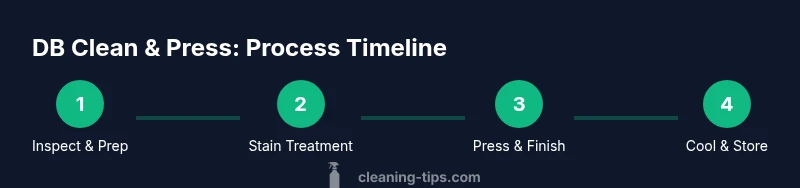
This section provides a structured, action-oriented workflow for DB clean and press, designed to minimize guesswork and maximize results. Begin with inspection, then move through stain treatment, setup, test heat, press strategic areas, and finish with cooling and hanging. Each action should be deliberate, using smooth, even motions to avoid creating new wrinkles. The recommended total duration for a typical at-home session ranges from 60 to 90 minutes, depending on garment quantity and fabric variety. The steps outlined below are designed to be actionable, with explicit prompts you can follow in order to achieve consistent outcomes. For visual learners, this block also serves as a practical reference you can reuse when new garments arrive in your wardrobe.
Remember: the goal is crisp, neat garments that feel comfortable and look polished, not overly stiff or glossy. If a fabric resists flattening, back off heat and test again. The Cleaning Tips approach is to balance safety with effectiveness, keeping fabrics intact while achieving a well-pressed finish.
Handling Tough Stains on Different Fabrics
Stain removal strategies vary by fabric type and stain kind. For instance, protein-based stains (like sweat or dairy) respond better to cooler temperatures and gentle enzyme-based cleaners, while oil-based stains (grease, makeup) often require solvent-based remedies or specific stain removers designed for fabric type. Pre-treating stains before washing can reduce the need for aggressive ironing. On delicate fabrics, use a press cloth and avoid direct heat. For heavily wrinkled cottons and linens, a higher heat with steam works well, but avoid prolonged contact to prevent scorching. By tailoring stain treatment and pressing pressure to the fabric, you can maximize results without compromising garment integrity.
Finishing Touches, Storage, and Care
After you finish pressing, allow garments to cool on a hanger or flat surface before wearing or storing. Proper cooling helps set the pressed finish and prevents new wrinkles from forming. Store clothes in a cool, dry place away from direct sunlight to preserve color and fiber strength. If you’re short on time, you can lightly mist and re-humidify fabrics before a quick touch-up press, though this should be done sparingly to avoid repeated heat exposure. Regular maintenance of your ironing board cover and iron ensures consistent results; replace worn covers or dull irons that struggle to produce steam. Cleaning Tips notes that routine upkeep reduces the risk of heat damage and helps you maintain a professional-looking wardrobe with fewer surprises.
Common Mistakes to Avoid
Avoid rushing the process or focusing solely on one area of the garment. Wrinkles can migrate if you press only the front or back; always move the iron in an almost continuous motion across the fabric. Don’t press over zippers, sequins, or plastic embellishments, which can melt or deform. Using too much heat on synthetic fibers can create shiny spots or scorch marks. Never attempt to dry clean at home unless the garment label explicitly permits it. Finally, avoid skipping the test on an inconspicuous area; this prevents accidental damage and saves you from costly mistakes.
Maintenance of Your Ironing Setup
Even a small home ironing setup benefits from routine maintenance. Regularly descaling steam vents if your iron uses water spray, cleaning the soleplate with a non-abrasive cleaner, and inspecting the power cord for wear all contribute to safe and efficient results. Replace worn brushes or scouring pads used to clean the iron base and ensure proper ventilation around the ironing area to prevent heat buildup. By dedicating a few minutes to maintenance after each session, you’ll preserve performance and extend the life of your equipment, keeping your DB clean and press routine reliable for years.
Bonus: Quick Reference for Fabric Categories
- Cotton: High heat with steam, crisp press. - Polyester blends: Medium heat, light steam. - Wool: Low to medium heat with steam, use a pressing cloth. - Silk: Lowest heat, minimal pressure, use a press cloth. - Linen: High steam and heat, be deliberate with movements. - Delicates: Test first, use gentle heat and a press cloth. This quick reference helps you quickly choose the right settings when you’re choosing fabrics on busy mornings.
Safety Tips for a Smooth Experience
Always unplug the iron before making adjustments to settings, and never leave a hot iron unattended. Keep water sources away from electrical outlets, and store cleaning products in a secure location away from kids and pets. Wearing protective gloves when handling hot surfaces can prevent accidental burns. If you notice unusual smells or smoke, stop immediately and unplug the iron to inspect for faults. Following these safety habits supports a consistent, reliable DB clean and press routine.
Tools & Materials
- Iron or garment steamer(Adjust heat and use steam when fabric benefits from relaxation.)
- Ironing board(Sturdy, heat-resistant cover; stable work surface.)
- Fine spray bottle(Lightly mist fabrics to introduce moisture when needed.)
- Stain remover suitable for fabrics(Test on hidden area first; follow label directions.)
- Press cloth or clean cotton fabric(Protect delicate fibers from direct heat.)
- Color-safe detergent or pre-treat solution(Optional for tough stains; avoid over-wetting fabric.)
- Hanger or garment rack(Use after pressing to prevent new wrinkles.)
Steps
Estimated time: 60-90 minutes
- 1
Inspect garment care labels
Begin by reading the care label to identify fabric type, heat tolerance, and any special instructions. This initial check guides subsequent decisions about heat, steam, and pre-treatment. If labels conflict with common sense, err on the side of caution and choose the gentlest method that won’t compromise the garment.
Tip: Always test a hidden seam with your cleaners or heat before full application. - 2
Pre-treat stains
Apply a small amount of stain remover or mild detergent to the stained area. Work from the outside edge toward the center to avoid spreading. Let sit according to product instructions; avoid aggressive rubbing on delicate fabrics.
Tip: For protein stains, use cool water; for oil-based stains, apply a solvent-based remover designed for fabric. - 3
Set up station and heat
Arrange your ironing board in a well-ventilated area. Plug in the iron and select an initial low heat setting based on the fabric label. If unsure, start cool and test on a swatch before proceeding.
Tip: Use a pressing cloth for delicate fabrics to prevent direct heat contact. - 4
Test heat on inconspicuous area
Always test the chosen heat setting on a hidden corner of the garment or a similar fabric swatch. This helps you gauge shine, color loss, or fabric distress before full-size pressing.
Tip: If you see any shine or color lift, lower the heat and retest. - 5
Press tricky areas first
Start with collars, cuffs, and plackets where wrinkles are most visible. Use light pressure, long, smooth strokes, and a slight lift between sections to prevent new creases.
Tip: For stiff fabrics, use steam sparingly to relax fibers; avoid microwaving or blasting with heat. - 6
Move to main surfaces
Proceed to the body of the garment with even, continuous motions. Keep the iron moving to avoid scorching and allow fabric to rest briefly before wearing.
Tip: Always lift the iron off the fabric rather than sliding it to prevent dragging and stretching. - 7
Cool and hang
Let the garment cool on a hanger or flat surface to set the press. This reduces new wrinkles and preserves the crisp finish achieved during pressing.
Tip: Hang shirts on wide-shouldered hangers to retain collar shape. - 8
Clean up and store
Unplug and allow the iron to cool completely before wiping the soleplate. Clean your board cover and store tools neatly to maintain a ready station for next time.
Tip: Wipe the iron once cooled to remove any residues that could transfer to fabrics later.
Questions & Answers
What is the best use case for DB clean and press at home?
DB clean and press is ideal for refreshing office-appropriate garments between cleanings, removing light wrinkles, and maintaining crisp collars and cuffs without full dry cleaning.
DB clean and press is great for refreshing business shirts and similar garments between cleanings.
How do I know the right heat setting for fabrics?
Always check the care label and test on a hidden area first. Start with the lowest effective heat and increase gradually as needed.
Check the label, test on a hidden area, and start with low heat.
Can I use steam on all fabrics?
Steam helps relax fibers on many fabrics but can damage delicate synthetics. Use lower settings and a pressing cloth when in doubt.
Steam is helpful on many fabrics, but be cautious with delicate synthetics.
Is it safe to press damp clothes?
A light dampness can aid relaxation on some fibers, but excessive moisture can cause water marks or other issues. Use a light mist only for fabrics that tolerate it.
Light dampness can help some fabrics, but don't over-wet.
What should I do about stubborn stains before pressing?
Treat stains with a suitable remover before washing or pressing, testing on a hidden area to ensure colorfastness. If unsure, skip aggressive treatments on delicate fabrics.
Treat stains with care and test first.
What if a garment is marked 'Dry Clean Only'?
Avoid home pressing on garments labeled dry clean only. Seek professional cleaning to prevent fabric damage.
If it's marked dry clean only, don’t press at home.
Should I use hot iron settings for linen?
Linen responds well to high heat with steam, but test first and press while slightly damp to minimize wrinkles.
Linen can take high heat with steam; test first.
How do I maintain my ironing setup?
Regularly clean the soleplate, descale steam vents if needed, and replace worn covers. Proper storage reduces accidents and extends tool life.
Keep your iron clean and in good condition for best results.
Watch Video
The Essentials
- Choose heat by fabric, not guesswork
- Pre-treat stains before pressing
- Press in sections for a crisp finish
- Cool and hang to set wrinkles
- Maintain tools to ensure consistency