Do Cleaners Clean Sneakers: A Practical Cleaning Guide
Learn whether cleaners clean sneakers, how to choose material-safe products, and follow a step-by-step method to refresh sneakers without damage. Includes tips, FAQs, and safe, science-backed methods for canvas, leather, suede, and more.


Yes. Cleaners can clean sneakers effectively when you choose the right product for the material and use gentle methods. For most sneakers, a mild cleaner or diluted detergent, a soft brush, and a microfiber cloth remove dirt without harming fabrics or midsoles. Avoid harsh solvents, machine washing delicate materials, and soaking too long.
Do cleaners clean sneakers? How the concept works
Do cleaners clean sneakers? The short answer is yes, but effectiveness depends on the material, stain type, and how you apply the product. According to Cleaning Tips, sneaker cleaning hinges on selecting the right cleaner and using a gentle touch that preserves fibers and colors. Dirt and grime accumulate in seams, mesh porosity, and rubber midsoles; cleaners loosen the bonds so you can lift soil without abrading the surface. For many households, this means starting with a mild cleaner, a soft brush, and a microfiber cloth rather than aggressive solvents or abrasive tools. When done correctly, routine cleaning restores appearance, reduces odor buildup, and extends the life of the sneakers. This guide will explain how do cleaners clean sneakers effectively across common materials, with practical, step-by-step recommendations that stay protective and simple.
- Do not underestimate the value of pre-cleaning checks: look for material labels, colorfastness, and any care instructions printed on the shoe. - Always test a small hidden area first to ensure color stability before broad application. - Use a calm, controlled cleaning action to avoid pushing soil deeper into fibers.
In sum, the answer to the question do cleaners clean sneakers is yes, provided you tailor the approach to the sneaker’s material and finish. The goal is to lift soil without bleaching, fading, or distorting texture. Use purpose-made sneaker cleaners when possible, or mild detergents diluted in water for most fabrics. Always finish with thorough drying to prevent mold and odor.
Material matters: sneakers come in canvas, leather, suede, and more
Sneakers are made from a range of materials including canvas, mesh, leather, suede, knit fabrics, and rubber. A one-size-fits-all approach will often fail because each material responds differently to moisture, solvents, and agitation. For example, canvas and mesh accept mild cleaners well and dry quickly, while leather benefits from pH-balanced cleaners and minimal moisture to prevent cracking. Suede is particularly sensitive to water and requires specialized cleaners and gentle brushing. Do cleaners clean sneakers effectively across these varieties? They can, but only if you adapt the product choice, dilution, and technique to the material. When evaluating cleaners for sneakers, consider colorfastness, fabric type, and the level of soil—heavy oil stains demand a different approach than surface dust. The Cleaning Tips team emphasizes material-first decisions: identify the shoe’s exterior, the face fabric, and the lining, then choose cleaners that match those surfaces. This is the foundation of safe, effective sneaker cleaning.
- Canvas can tolerate diluted detergent and mild cleaners; avoid bleach on colored fabrics.
- Leather should be cleaned with pH-balanced, leather-safe products and minimal saturation.
- Suede requires specialty cleaners and a suede brush; water can leave permanent marks if overapplied.
Choosing cleaners and tools: what you actually need
Selecting the right cleaner is the single most important factor in do cleaners clean sneakers successfully. A mild sneaker cleaner or a gentle, pH-balanced detergent is usually sufficient for most fabrics. For delicate or heavily soiled sneakers, you may consider material-specific cleaners designed for leather, suede, or mesh. The essential tools include a soft-bristled brush, a microfiber cloth, and a small bowl of lukewarm water. Optional items such as an old toothbrush for tight seams can help, but use them carefully to avoid abrasion. For fans of eco-friendly methods, simple soap and water can be effective when used with a soft brush and quick rinses. Always avoid aggressive solvents, bleach on colored materials, and hot water, which can warp or fade surfaces. The goal is to lift soil without saturating the shoe.
- Essential: mild cleaner, soft brush, microfiber cloth, lukewarm water.
- Optional: soft cotton rag for drying; toothbrush for crevices.
- Safety note: test first on a hidden area to check colorfastness.
Cleaning routines by material (canvas, mesh, leather, suede) for everyday sneakers
Different materials require tailored routines to achieve the best results without damage. For canvas or mesh sneakers, mix a small amount of mild cleaner with water, apply with a soft brush, then wipe with a microfiber cloth. Leather sneakers benefit from damp cleaning cloths with small amounts of leather-safe cleaner; avoid soaking the leather. Suede sneakers should be treated with a suede cleaner, followed by a light brushing with a suede brush after drying. Always dry air-dry away from direct heat and use a clean, dry cloth to blot excess moisture. Do cleaners clean sneakers across these materials? Yes, but your method must respect the fabric and finish. Regular care — light, frequent cleanings — keeps shoes looking newer longer.
- Canvas/mesh: gentle cleaning, air dry.
- Leather: minimal moisture, leather-safe products.
- Suede: specialty cleaner and suede brush post-clean.
- Knit fabrics: use a soft brush and avoid saturating the knit.
Drying, deodorizing, and storage: finish with care
Drying is as important as cleaning. After washing, remove excess water by pressing with a clean cloth and let the sneakers air-dry in a well-ventilated area away from direct heat or sunlight, which can fade colors or warp materials. Odor control can be enhanced by baking soda or foot powder briefly applied to the interior after cleaning and drying. For white midsoles, a quick wipe with a mild cleaner and a soft brush can restore brightness. If you notice lingering odor, repeat a gentle cleaning cycle and ensure shoes are completely dry before storage. Proper drying reduces the risk of mold growth and extends sneaker life.
- Do not use a dryer; heat can warp adhesives and materials.
- Odor control: bake-in baking soda or odor-control insoles after drying.
- Store in a cool, dry place away from moisture.
Common mistakes and how to avoid them
Avoid common sneaker cleaning mistakes that can cause color fading or material damage. Over-scrubbing can fray fibers, while over-soaking leads to glue failure in some sneakers. Never mix cleaners with bleach unless the label explicitly allows it and the material is colorfast. Test colorfastness first, especially on bright or patterned surfaces. When in doubt, start with a smaller area and work outward. The goal is steady, controlled cleaning rather than aggressive scrubbing. By following careful steps, you can preserve shape, color, and texture while achieving a cleaner look.
- Mistake: using hot water. Solution: use lukewarm water.
- Mistake: ignoring care labels. Solution: read labels and choose materials-specific products.
- Mistake: soaking shoes. Solution: gentle cleaning and quick rinses only.
Authority sources and practical safety tips
For evidence-based guidance, consider consulting official safety and extension resources. The U.S. Consumer Product Safety Commission (CPSC) provides general safety guidelines for consumer products and cleaning practices that minimize risk. University extension programs offer practical care tips for fabrics and footwear care. Cleaning Tips references these kinds of sources when recommending safe cleaning practices for textiles and shoes. To further your understanding, visit these sources: • https://www.cpsc.gov • https://extension.illinois.edu • https://extension.oregonstate.edu
Incorporating credible safety and care guidelines helps ensure you do not expose yourself or your sneakers to unnecessary hazards. The Cleaning Tips team recommends sticking to mild cleaners, avoiding harsh solvents, and always testing a hidden area first. This approach reduces risk to colorfastness and material integrity while delivering a clean appearance.
Authority and practical next steps for quick-reference
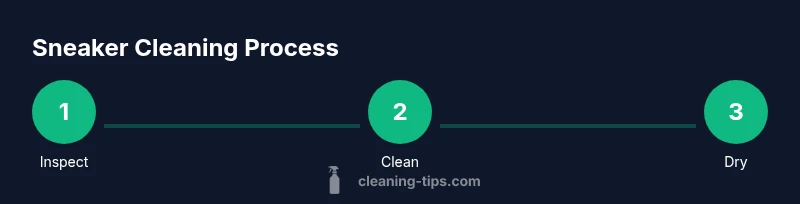
If you want a concise, step-by-step path that aligns with best practices, keep this in mind: start with material identification, select a material-safe cleaner, apply gently, wipe clean, rinse promptly, and dry completely. Regular maintenance makes future cleanings simpler and ensures sneakers look fresh longer. For more depth and context, the sources listed above provide authoritative guidance on cleaning textiles and footwear. For high-traffic pairs, consider scheduling routine touch-ups to avoid heavy buildup and preserve material quality.
Tools & Materials
- Mild sneaker cleaner (or mild detergent)(Choose a product safe for the sneaker material (canvas/mesh preferred). Dilute as directed.)
- Soft-bristled brush(Important for lifting dirt without abrading fabric.)
- Old toothbrush (optional)(For creases and seams where soil hides.)
- Microfiber cloths(Use multiple clean cloths to wipe, dry, and blot.)
- Bowl of lukewarm water(Do not use hot water; it can damage adhesives.)
- Towel or drying rack(To air-dry sneakers in a well-ventilated area.)
- White eraser (optional)(Gently lift marks on rubber soles.)
Steps
Estimated time: 30-45 minutes
- 1
Inspect and prepare
Review the sneaker material and care labels. Identify areas with heavy stains, color loss, or delicate finishes. Gather all tools and lay out a clean workspace so you can work efficiently without dripping soils onto floors or fabrics.
Tip: Check colorfastness in a hidden area before applying cleaner widely. - 2
Dry brush and remove loose dirt
Use a dry, soft-bristled brush to lift surface dirt from the toe box, side panels, and tongue. This reduces the amount of liquid you’ll need later and minimizes soil transfer to interior linings.
Tip: Brush with gentle, circular motions; avoid aggressive scrubbing. - 3
Dilute cleaner and test patch
Mix a small amount of cleaner with lukewarm water. Test on a discreet area to confirm no color bleed or surface damage before proceeding.
Tip: A successful patch test prevents large-scale issues. - 4
Clean the main surfaces
Apply the cleaner solution with a soft brush or microfiber cloth, focusing on heavily stained areas. Work in small sections, and rinse the cloth frequently to avoid re-depositing dirt.
Tip: Keep the surface damp, not dripping; excessive moisture can damage adhesives. - 5
Rinse and dry the exterior
Wipe away soap with a clean, damp cloth and remove as much moisture as possible. Use a dry towel to blot and speed up the drying process, then set shoes on a rack in a ventilated area.
Tip: Do not leave shoes in direct sun or near heat sources. - 6
Condition and finish drying
If cleaning leather, apply a leather-safe conditioner after drying to restore suppleness. Allow full air-drying time before wearing or storing to prevent odor and mildew.
Tip: Patience is key; proper drying prevents future cracking.
Questions & Answers
Can I use bleach on sneakers?
Bleach can fade colors and damage some fabrics. Only use it on pure white, bleach-safe canvas if the care label permits, and do a patch test first. In most cases, milder cleaners are safer.
Bleach can ruin colors; test first or skip it and use milder cleaners.
Is machine washing sneakers safe?
Machine washing is not recommended for most sneakers, especially those with leather, suede, or glued components. If you must, use a gentle cycle with a laundry bag and air dry afterwards.
Machines can damage shoes—avoid unless the label says it’s okay.
Are sneaker cleaning solutions safe for leather?
Leather requires pH-balanced, leather-specific cleaners and minimal moisture. Avoid harsh detergents and saturating the surface. Finish with a conditioner after drying.
Leather is delicate; use the right cleaner and test first.
How often should you clean sneakers?
Clean sneakers as soon as dirt shows, or after heavy use during wet conditions. Regular light cleanings reduce soil buildup and extend the look and life of the shoes.
Clean when dirty; regular care keeps sneakers looking new.
Can I dry sneakers in a dryer?
Drying in a dryer can warp adhesives and damage uppers. Always air-dry in a ventilated area until completely dry.
Avoid the dryer; air-dry for best results.
What’s the best way to remove odor?
Deodorize by sprinkling baking soda inside the shoes and letting it sit before brushing out. Ensure sneakers are fully dry before storage to prevent mildew.
Odor removal is easiest with baking soda and proper drying.
Watch Video
The Essentials
- Use material-safe cleaners for sneakers
- Avoid machine washing delicate fabrics
- Test colorfastness before large-scale cleaning
- Air-dry thoroughly to prevent mold and odor
- Regular light cleaning extends sneaker life