Which Wash for Trainers: A Practical Cleaning Guide
Discover which wash for trainers suits mesh, leather, suede, and canvas. This material-first guide covers cleaning methods, stain removal, odor control, and safe drying to protect your sneakers.


To wash trainers effectively, identify the material first: most sneakers with mesh or synthetic uppers respond to gentle machine or hand washing, while leather or suede require spot cleaning or a hand wash with appropriate cleaners. Use a mild detergent, cold water, and a soft brush, then air dry away from direct heat. Always check care labels before washing.
Why the right wash matters for trainers
Choosing which wash for trainers is a common question for homeowners aiming to extend sneaker life. According to Cleaning Tips, the best approach depends on the material and level of dirt. A wrong method can break down glue, fade colors, or shrink fabric. Start by identifying the trainer’s uppers—mesh, knit, leather, suede, or canvas—and then tailor the wash accordingly. This upfront step saves time and preserves fit, cushioning, and tread.
For most mesh and synthetic uppers, a gentle wash using cold water and a mild detergent is sufficient. Excessive agitation or hot water loosens colors and weakens fabrics. Leather uppers require more care: spot cleaning with a leather-safe cleaner and minimal saturation; suede needs special attention to avoid watermarks. Canvas pairs tolerate a light machine wash with a gentle cycle, provided you use a mesh bag and avoid overloading.
Odor and grime accumulate in crevices—lacing holes, toe boxes, and the midsole. Cleaning Tips suggests pre-treating stubborn stains with a soft brush and a small amount of detergent, testing color-fastness on an hidden area. Always air-dry sneakers away from direct heat, ideally in a well-ventilated room or outdoors in shade. If your trainer has a strong odor, sprinkle baking soda inside overnight and shake it out before washing.
In this guide we’ll cover material-specific methods, common mistakes, and safe drying practices to help you maintain shape, color, and comfort. Remember to consult care labels and opt for the most gentle method that still removes dirt. This material-first mindset helps you balance cleanliness with longevity.
How to identify trainer materials and what that means for washing
Most trainers fall into a few categories: mesh/synthetic uppers, leather, suede, canvas, and knit fabrics. Each material has unique care needs. Start by checking the care label inside the tongue or the manufacturer's website. If there is no label, inspect the surface: is it soft and porous (mesh), smooth and rigid (leather), or fuzzy (suede)? Your decision on whether to machine wash, hand wash, or spot clean hinges on this classification. According to Cleaning Tips, material-specific washing reduces color loss and preserves fit and comfort.
Mesh and synthetic uppers generally tolerate gentle washing. Use a mild detergent and cold water, and consider a mesh bag for the machine to cushion the shoes. Leather uppers respond best to spot cleaning with a leather-safe cleaner and minimal saturation; excessive water can warp or stain leather. Suede should never be machine washed; instead, use a soft brush and specialized suede cleaner or a delicate damp cloth to lift stains. Canvas can handle a light machine wash on a gentle cycle, but avoid overloading and always air dry to prevent misshaping. Knit uppers, like some athletic sneakers, benefit from hand washing with a soft brush and cold water to prevent stretching.
Remember that laces and insoles are separate care items. Laces can be washed by hand or in a small mesh bag in the machine. Insoles may retain moisture and odor; remove and dry separately. The Cleaning Tips team emphasizes starting with the materials you see and using the gentlest method that still removes dirt.
Washing methods by material type
-
Mesh and knit uppers: Remove laces, brush off loose dirt, then soak in cold water with a mild detergent for 5-10 minutes. Gently scrub with a soft brush, rinse with cold water, and air dry. This approach preserves the breathable structure while removing ground-in dirt.
-
Leather: Use a soft cloth to wipe, then spot clean with a leather-safe cleaner. Do not saturate; air-dry away from heat. Condition leather lightly after it is dry to maintain suppleness.
-
Suede: Avoid water; use a suede brush or eraser to lift stains. If you must dampen, use a barely damp cloth and work in one direction to prevent watermarking.
-
Canvas: Machine wash on a gentle cycle in cold water with a mesh bag, and include a towel to balance the load. Post-wash, reshape and air dry completely.
-
Insoles and laces: Hand wash with mild detergent and cool water; air-dry fully before reinstallation.
Stain removal, odor control, and deodorizing
Stains vary by material; use spot cleaning first for stubborn marks. For white midsoles, a paste of baking soda and water can lift grime without harsh abrasives. For odors, sprinkle a small amount of baking soda inside the shoes and leave overnight before washing; shake out before you start the wash cycle. Odor-prone areas like insoles can benefit from a light spray with a diluted vinegar solution or a small amount of enzyme-based cleaner, depending on the material.
To avoid color transfer, test any cleaner on a hidden area. For performance sneakers, wipe down after each workout to prevent buildup. If you must use bleach, dilute heavily and never apply to colored uppers. Cleaning Tips analysis, 2026 suggests that avoiding direct sun and heat during drying preserves glue and sole attachment.
Drying and storage: avoid damage after wash
Air drying is the safest drying method for most trainer materials. Stuff the shoes with towels or paper to help retain shape and absorb moisture, then place in a well-ventilated area away from direct heat. Do not use a hair dryer or direct sunshine; heat can warp the sole and fade colors. Once dry, reinsert insoles and laces, and consider applying a light water-repellent spray if the material is suitable. Store shoes in a cool, dry place to extend their life and keep out of damp areas.
If you live in a humid climate, you can use a fan or dehumidifier to speed drying, but avoid leaving damp shoes in enclosed spaces, which can promote mold. For white sneakers, a quick wipe with a soft cloth after wear helps prevent staining and reduces the frequency of full washes.
Verdict
The Cleaning Tips team recommends a material-first washing approach coupled with careful drying to extend sneaker life. Start with the materials you see, choose the gentlest method that removes dirt, and air-dry completely. This reduces material wear, preserves color, and keeps feet comfortable. Following these steps regularly will result in cleaner trainers that stay in good shape for longer, without relying on harsh chemicals or heat. The Cleaning Tips analysis, 2026, emphasizes that prevention and proper drying are as important as the wash itself.
Specialty materials: velvet, patent leather, or knit details
Some trainers include delicate materials that require extra care. Velvet can shed nap if aggressively brushed; use a soft brush and light vacuum for gentle cleaning. Patent leather gloves shine with a microfiber cloth and a mild cleaner, avoiding heavy moisture. Knits with decorative stitching may snag—perform spot cleaning and avoid soaking. When in doubt, test cleaners on a discreet area and err on the side of gentleness. Regular maintenance, such as brushing off dirt after wear and using a breathable bag when storing, can help these pieces last longer. If you use conditioners or protectants, ensure they are compatible with the material and follow manufacturer recommendations.
Tools & Materials
- Mild liquid detergent(Use a small amount; avoid strong perfumes or optical brighteners.)
- Soft brush (nylon or natural bristles)(Gentle scrubbing helps lift dirt without scratching material.)
- Old toothbrush(Good for tight crevices and lace holes.)
- Mesh laundry bag(Protects shoes during machine wash and cushions them.)
- Bowl or basin(Use for hand washing if you don’t have a tub or sink.)
- Towels or microfiber cloths(Blot moisture and help dry surfaces faster.)
- Shoe forms or crumpled paper(Help shoes keep shape while drying.)
- Color-safe bleach or vinegar (optional)(Only if material and color permit; test first.)
Steps
Estimated time: 45-60 minutes
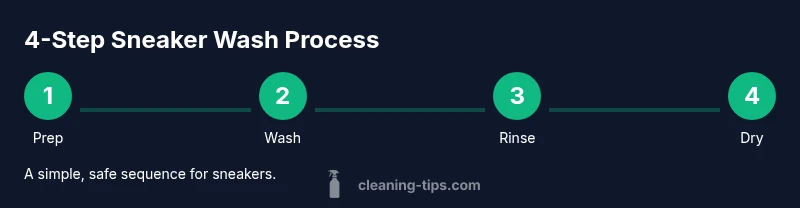
- 1
Prepare the trainers
Remove laces and insoles. Brush off loose dirt to prevent mud from smearing during washing. This step reduces dirt transfer to the detergent and helps protect sensitive components like the midsole.
Tip: Laces can be washed separately in a mesh bag. - 2
Pre-treat stains and test colorfastness
Check for stubborn stains and spot-clean with a small amount of detergent on a hidden area to ensure it won’t fade or bleed. This prevents color transfer and material damage.
Tip: Always test first on an inconspicuous corner. - 3
Choose washing method by material
Decide whether to machine wash (mesh bag, cold water, gentle cycle) or hand wash (basin, mild detergent, soft brush) based on material. This step avoids overexposure to water and preserves glue and fabric integrity.
Tip: Machine wash is safer for mesh, canvas, and knit uppers when balanced properly. - 4
Wash the sneakers
If machine washing, place shoes in a bag with towels and run on a gentle cycle with cold water. If hand washing, soak briefly, scrub gently, and rinse thoroughly. Avoid soaking leather or suede for long periods.
Tip: Do not overload the washer; provide space for the shoes to move. - 5
Rinse and air-dry
Rinse any soap residues and blot excess water. Air-dry in a shaded area with good airflow; avoid direct sunlight and heat sources to prevent glue failure and color fading.
Tip: Stuff with towels or paper to help shape while drying. - 6
Reassemble and store
Once completely dry, reinsert insoles and lace-up. Consider applying a light protective spray if compatible with materials. Store in a cool, dry place to prevent moisture-related mold.
Tip: Keep them in pairs to avoid losing matching sets.
Questions & Answers
Can I machine-wash all types of trainers?
Not all trainers respond well to machine washing. Mesh and canvas experiments are more forgiving, but leather and suede require gentler approaches such as spot cleaning or hand washing. Always check the care label and test a small area first.
Machine washing isn’t suitable for all trainers; check the material and test first.
What temperature should I use for washing sneakers?
Prefer cold water to protect colors, glue, and fabric integrity. Warm or hot water can cause color bleeding and glue damage on many sneakers. Stick to cold or tepid water unless the care label specifies otherwise.
Use cold water to protect materials and colors.
Should I remove laces before washing?
Yes. Remove laces (and insoles when possible) to ensure thorough cleaning and to prevent tangling. Wash laces separately or in a mesh bag, and air-dry insoles separately.
Take out laces and insoles to clean them properly.
Can I dry sneakers in a dryer?
Air drying is recommended. Dryers can warp soles and damage adhesives. If you must use a dryer, use the lowest heat setting and place shoes with towels to cushion them.
Air dry is best; avoid high heat in the dryer.
How do I handle odor after washing?
If odor persists, sprinkle baking soda inside overnight and vacuum or shake out before wearing. Ensure insoles are completely dry before reinsertion.
Odor can be controlled with baking soda and proper drying.
Are there materials that should never be washed?
Suede and some delicate fabrics should never be fully submerged. Use dry brushing or gentle damp cleaning and avoid soaking. Always consult the care label for exceptions.
Some materials like suede shouldn’t be fully submerged.
Watch Video
The Essentials
- Identify trainer material before washing.
- Use cold water and mild detergent for most uppers.
- Avoid saturating leather or suede; prefer spot cleaning for those materials.
- Air-dry completely to protect shape and integrity.
- Laces and insoles deserve separate care to prevent odor buildup.