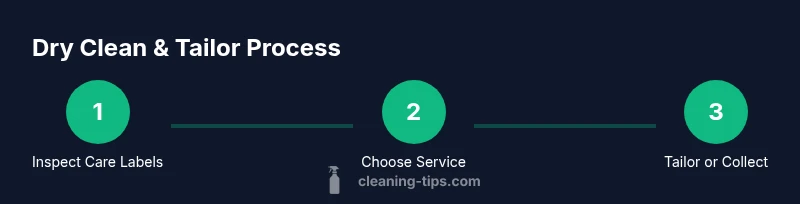
Dry Clean and Tailor: A Practical Garment Care Guide
Master when to dry clean versus tailor, how to prepare garments, and how to coordinate with pros for lasting fits. A practical, expert step-by-step guide from Cleaning Tips to extend wardrobe life.


This guide helps you decide when to dry clean versus wash or tailor, how to prep garments, and how to coordinate with cleaners and tailors for best results. You’ll gain practical steps, fit-focused alterations, and safety tips from Cleaning Tips.
Why dry cleaning and tailoring matter for your wardrobe
Keeping clothes looking new can feel like a puzzle; dry cleaning and tailoring are two powerful tools. According to Cleaning Tips, using professional services for delicate fabrics, structured garments, and specialty finishes helps preserve color, texture, and shape longer than home washing alone. The Cleaning Tips team found that improper care accelerates fiber wear, causes shrinkage, and dulls finishes on silk, wool, and rayon blends. But the same services, when used thoughtfully, extend life and maintain resale value. This section explains why these services matter and how to decide when to use them.
First, what does dry cleaning actually do? It uses a chemical solvent to lift oils, dirt, and makeup from fabrics without aggressive agitation. This is gentler on surfaces like silk, cashmere, leather, and beaded or sequined items than traditional washing. For tailored pieces—like a blazer, dress, or suit—preserving the fabric's drape and the garment's structure often requires professional attention. Tailoring, meanwhile, adjusts fit and function. A well-hemmed pant leg or a taken-in waist can transform an imperfect garment into a polished staple, increasing confidence and overall wear.
But dry cleaning and tailoring are not universal solutions. Some fabrics can be cleaned at home with care, others require specialized equipment. A practical approach is to start with the care label as your map, then consult a reputable cleaner or tailor about what to expect. In many cases, you can combine services: dry clean the item to refresh and preserve shape, then schedule tailoring to optimize fit after cleaning. The result is a garment that breathes new life into your wardrobe without a full replacement.
Understanding care labels: your first guide
Care labels are not decorative; they’re the garment’s instruction manual. They indicate whether a fabric should be dry cleaned, hand washed, or machine washed on a gentle cycle. Silks, wools, beaded embellishments, leather trims, and many structured suits often carry a dry clean only instruction or a caution about heat and agitation. When in doubt, treat a label like a legal document for your wardrobe. If you cannot read the label because it’s damaged, contact the manufacturer or a professional cleaner for advice. According to Cleaning Tips, following the label protects color integrity and fabric texture over time. If you plan to tailor, you’ll also want to note the garment’s construction details (curved seams, linings, belt loops) as these influence the tailoring approach and feasibility.
The value of tailoring in a modern wardrobe
Tailoring is not simply about making clothes smaller; it’s about achieving the right silhouette for your body and lifestyle. Common alterations include hemming, taking in the waist, adjusting sleeve length, and stabilizing shoulders. A well-tailored garment sits properly on the body, improves comfort, and can make inexpensive outfits look high-end. The return on investment isn’t just aesthetics; it can extend the garment’s usable life by ensuring fabric doesn’t pull, crease, or wear prematurely at high-stress points. Modern tailors can also modify necklines, adjust the balance of a jacket lapel, or convert a standard sleeve into a three-quarter length for a fresh look.
Tools & Materials
- Care labels (do not remove/ignore)(Check fiber type and cleaning instructions before proceeding)
- Measuring tape(Used by tailor to record exact measurements for alterations)
- Sewing kit (thread, needles, pins)(For minor on-site repairs if alterations are quick)
- Stain-prep supplies (gentle spot remover suitable for fabrics)(Only if recommended by cleaner; avoid on beaded/finished surfaces)
- Clear garment bag or protective cover(Keeps items clean during transport)
Steps
Estimated time: 60-120 minutes (excluding actual tailoring time; see note for scheduling)
- 1
Gather garments and document issues
Collect every item you plan to clean or tailor. Create a simple notes list of issues: stains, uneven hems, loose buttons, or fit concerns. Photograph tricky details to review with the cleaner and tailor later, and separate beaded or delicate pieces.
Tip: Keep a small, labeled bag for accessories like belts and pins so nothing gets misplaced. - 2
Read care labels and determine service type
Inspect each label to decide whether dry cleaning, spot cleaning, or washing is appropriate. Note any beading, leather, suede, or velvet fabrics that require special handling. If the item is labeled dry clean only, plan for professional cleaning before alterations.
Tip: If the label is unclear, call the cleaner for guidance before proceeding. - 3
Decide between dry cleaning and tailoring needs
Some garments require both services—dry cleaning to refresh and maintain fiber integrity, plus tailoring to achieve a better fit. Prioritize items with significant fit issues (waist, shoulders, hems) or fabrics sensitive to agitation.
Tip: For multi-step projects, schedule the cleaning and tailoring in a single visit when possible to save time. - 4
Prepare items for service
Empty pockets, remove all accessories, and close zippers or hooks. For delicate beading or embroidery, consider placing the item in a garment bag. Bring any photos or notes outlining desired fit to guide the tailor.
Tip: If you spot stains, note their location and type on the care form to help the cleaner target treatment. - 5
Choose a cleaner and a tailor
Select providers with clear communication, transparent pricing, and good turnaround times. Check reviews for consistency, and ask about their solvent options for eco-friendly cleaning. If you’re tailoring multiple items, ask about bundled pricing.
Tip: Ask about the cleaner’s and tailor’s experience with your fabric type (silk, wool, linen, leather). - 6
Coordinate timing and expectations
Agree on pickup/drop-off dates, cost estimates, and whether you want steaming or pressing after service. Clarify whether alterations can be done on-site or off-site, and discuss any special requests (temporary linings, pocket additions).
Tip: Request a written estimate and a contact for changes so you’re not surprised by charges. - 7
Inspect results and finalize
When you pick up, inspect the fit and finish with the cleaner and tailor. Check seams, hems, and button placements. If something seems off, request quick adjustments before leaving. Store cleaned items properly to preserve results.
Tip: Even minor issues like a slightly off hem can be corrected quickly if caught at pickup.
Questions & Answers
When should I dry clean instead of washing at home?
Delicate fabrics (silk, wool, satin), garments with special finishes, or pieces labeled dry clean only should be professionally cleaned to avoid damage. Home washing can cause shrinkage, color fading, or fabric distortion.
Dry cleaning is best for delicate fabrics and pieces with special finishes to protect color and texture.
Can all fabrics be tailored, or are some unsuitable?
Most garments can be tailored, but very bulky, stretchy, or delicate fabrics may require specialized techniques or may not respond well to alterations. Always consult a professional with fabric experience.
Most fabrics can be tailored, but some tricky ones need expert handling.
How long does tailoring typically take?
Turnaround depends on the garment and alterations. Standard alterations usually take about 1–2 weeks, while complex changes can take longer. Always confirm timelines when you drop off.
Most tailoring projects take one to two weeks, depending on complexity.
What should I bring to the cleaner and tailor?
Bring the care labels, notes or photos of desired fit, a list of alterations, and any known stains. Providing context helps the cleaner and tailor achieve the best results.
Bring care labels, clear fit notes, and any photos to guide the process.
Is it cheaper to tailor an item or replace it?
Costs vary by fabric and alterations. Tailoring can be cost-effective for valued pieces or well-made garments, while replacement may be better for worn-out or inexpensive items.
Tailoring is often worth it for beloved pieces, but weigh cost against new options.
How can I find eco-friendly dry cleaners or tailors?
Look for cleaners using safer solvents and sustainable practices, certifications, and clear environmental data. Ask about solvent choices and recycling practices.
Choose cleaners that disclose solvents and environmental practices.
Watch Video
The Essentials
- Know when to dry clean vs. wash or tailor
- Always read care labels before service
- Tailoring can dramatically improve fit and longevity
- Coordinate with reputable cleaners and tailors
- Inspect finished work to avoid repeat visits