How to Clean White Shoes: A Practical Step-by-Step Guide
Learn effective, material-aware methods to clean white shoes—from canvas to leather. Step-by-step instructions, safe cleaners, and drying tips to keep your footwear bright and fresh.


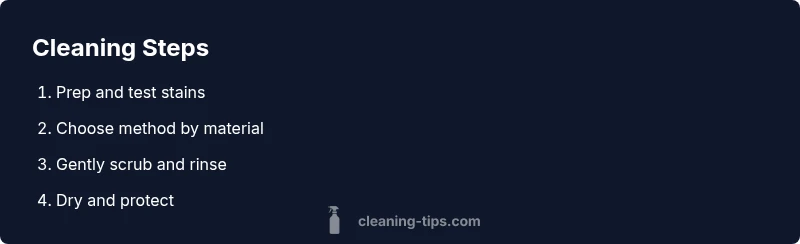
Clean white shoes effectively by tailoring the approach to canvas versus leather. Start with a dry brush to remove loose dirt, then apply a gentle detergent solution or a baking-soda paste for stains. Rinse or wipe clean, then air-dry away from direct heat. For faux leather, avoid saturating; for canvas, lather more generously and repeat as needed.
Why White Shoes Deserve Regular Cleaning
White shoes are a versatile staple, but they demand consistent, careful care to stay bright. Dirt, dust, and scuffs accumulate quickly on light-colored fabrics and uppers, and even minor staining can become apparent after a short wear cycle. Regular cleaning helps preserve fabric integrity, prevents persistent odors, and extends the life of the materials. According to Cleaning Tips, a gentle, routine cleaning routine keeps whiteness brighter and reduces the risk ofYellowing and material wear over time. Start with a simple baseline: remove loose dirt, inspect materials, and choose a cleaning approach that matches the shoe type. A quick wipe after each wear can significantly cut down the amount of deep-cleaning needed later. By treating white shoes with respect, homeowners and renters protect both appearance and value of their footwear.
Canvas vs Leather: Tailor Your Cleaning Approach
Canvas and leather (including faux leather) behave very differently when exposed to moisture and cleaners. Canvas is generally more forgiving and can handle light detergents and water, while leather requires gentler products and less saturation to prevent drying, cracking, or color loss. For canvas, you can usually use a mild detergent and a soft brush, along with a damp microfiber cloth for lifting grime. For leather, opt for a cleaner formulated for leather or a mild soap solution with a soft cloth, and avoid soaking the material. The Cleaning Tips team emphasizes material-aware cleaning: mismatching cleaners to material can dull whiteness or harm texture. Always test cleaners on a small, inconspicuous area before full application and adjust your method if you see any color change.
Pre-Clean Prep and Stain Testing
Before you start scrubbing, prepare the workspace and inspect the shoes. Remove laces and insole (if removable) so you can clean every seam and edge without interference. Lightly brush off surface dirt with a dry brush to prevent mud from smearing during washing. Perform a patch test on an inconspicuous area—such as the inside edge of the tongue or a hidden seam—with your chosen cleaner to verify it won’t cause discoloration. If the test passes, proceed with your cleaning plan. As Cleaning Tips notes, a tested cleaner is less likely to cause unexpected damage and will help you achieve consistent results across different batches of dirt.
Cleaning Canvas Shoes: Safe Methods and Tricks
Canvas shoes respond well to gentle cleaning methods. Create a solution of mild liquid detergent and lukewarm water, then use a soft-bristle brush to work the solution into the fabric with light, circular motions. After scrubbing, wipe away soap with a damp microfiber cloth and let it air-dry in a shaded area. For stubborn spots, a paste made from baking soda and water can act as a mild abrasive; apply sparingly, then wipe clean. Avoid soaking the entire shoe, which can soften glue or warp the fabric. If laces are dirty, remove and wash them separately in warm water with a small amount of detergent. This approach helps keep canvas white and structurally sound.
Cleaning Leather or Faux Leather Shoes: Care and Cautions
Leather materials require more delicate handling than canvas. Use a leather-safe cleaner or a very mild soap solution and a soft cloth to wipe the surface. Do not saturate leather; instead, dampen the cloth and wipe in gentle, even strokes. For white faux leather, a mild soap solution also works, but avoid cream-based cleaners that can leave residue. After cleaning, dry with a clean cloth and allow to air-dry away from direct heat or sunlight to prevent drying and cracking. If you notice discoloration from the cleaner, repeat with a cleaner specifically designed for leather and test again in a hidden area. In all cases, apply a conditioner or protective spray appropriate for the material once completely dry to maintain suppleness and whiteness.
Cleaning Fabric and Mesh Variants (Suede, Nubuck, and Synthetics)
Fabric and mesh uppers can tolerate more aggression than leather but still require care to avoid waterlogging and color changes. For suede or nubuck, use a suede brush to lift nap and consider a suede-cleaning product designed for these textures. For synthetic mesh, a gentle detergent solution with a soft brush can remove embedded grime without saturating the fabric; avoid harsh chemicals that could weaken fibers. Always blot excess moisture and let materials dry naturally. If you expose the shoe to outdoor grime like dirt or mud, rinse briefly with clean water and pat dry with a towel before air-drying. Regular maintenance—such as brushing off dirt after wear—helps preserve nap and texture.
Removing Stubborn Stains: Grass, Ink, and Rust
Stains vary in how you approach them. Grass stains on light canvas often respond to baking-soda paste or a gentle detergent treatment. Ink stains on white fabric may require a bit of isopropyl-alcohol-based solution, applied with care and tested first. Rust stains on white rubber soles are best approached with a paste of baking soda and water; dab gently and rinse, avoiding contact with fabric. For difficult stains, repeat the treatment in small increments rather than applying excessive cleaner at once. The goal is to lift the stain without creating ghost markings or removing color from nearby areas. Cleaning Tips emphasizes patience and re-application rather than aggressive scrubbing.
Drying, Deodorizing, and Maintaining Whiteness
After cleaning, dry shoes in a well-ventilated area away from direct sun or heat sources that could warp materials or cause yellowing. Stuffing the shoes with paper towels or clean cloth helps maintain shape and speed up even drying. To manage odors, consider a light, breathable deodorizer or a quick airing-out session between wears. You can freshen the interior by sprinkling a tiny amount of baking-soda on the insole and letting it sit for a few hours before brushing out. Once fully dry, consider applying a protective spray suitable for the specific material to help repel future stains. Keeping whiteness fresh is an ongoing effort—consistent care pays off in a longer lifespan for your footwear, as highlighted by Cleaning Tips.
Maintenance Routine: Protect, Re-Protect, and Reissue Shine
Develop a simple maintenance routine that fits your lifestyle. For canvases, a periodic wipe-down with a mild detergent solution can prevent staining from accumulating. For leather, reapply a suitable conditioner and, if appropriate, a protective spray to guard against water and staining. Always choose products designed for the material type and color fastness; avoid anything labeled as bleach on colored accents. Cleaning Tips recommends establishing a routine where you inspect shoes weekly, spot-clean as needed, and block time every 4–6 weeks for a deeper clean. After each major cleaning, re-lace and refresh insoles to maintain the overall appearance and comfort of your white shoes.
Common Mistakes to Avoid and Quick Fixes
Even experienced cleaners slip up. Common mistakes include soaking uppers, using harsh solvents, and skipping the test area. Avoid high heat during drying, which can deform materials, and never mix cleaning agents without testing compatibility. If you notice stiffness after cleaning, a light conditioning treatment suitable for the material can restore suppleness. Quick fixes include using a damp cloth to remove excess residue and gently brushing nap on fabric uppers to restore brightness. By staying methodical and patient, you reduce the risk of new stains or damage and maintain whiteness longer, a principle echoed in Cleaning Tips guidance.
Tools & Materials
- Soft-bristle brush(For canvas and rubber parts)
- Old toothbrush(For seams and hard-to-reach stains)
- Microfiber cloth(Wipe and dry without lint)
- Mild liquid detergent(Fabric-safe; dilute as needed)
- Baking soda(Make a paste for stubborn spots)
- White vinegar(Optional booster (1 part vinegar to 2 parts water))
- Water (lukewarm)(For rinsing and diluting cleaner)
- Insoles and laces cleaning kit(Wash separately to avoid staining)
- Magic eraser(Use sparingly on rubber soles)
Steps
Estimated time: Total time: 60-90 minutes depending on material and stain severity
- 1
Prep workspace and remove laces
Clear a clean area and lay down a towel. Remove laces and insoles if possible to access all surfaces. Brush off loose dirt gently to prevent mud from smearing during cleaning.
Tip: Laces wash separately in warm water with a little detergent for best results. - 2
Test a small area first
Dab a hidden patch with your cleaner to check colorfastness. If there’s no color change after a few minutes, you can proceed more confidently. If color shifts, switch to a material-specific cleaner and retest.
Tip: Always patch test on a seam or inside edge for accuracy. - 3
Mix cleaning solution by material
Canvas and fabric uppers respond to a mild detergent solution. Leather and faux leather need a cleaner meant for leather or a very mild soap solution. Use lukewarm water and avoid saturating the material.
Tip: Keep the solution weak; you can build strength later for stubborn spots if needed. - 4
Gently scrub with appropriate tools
Apply cleaner with a soft brush or microfiber cloth in gentle, circular motions. Focus on stained regions and seams. Avoid aggressive scrubbing which can lift fibers or damage glue.
Tip: Let the brush do the work; avoid pressing hard with the cloth. - 5
Rinse or wipe away soap
Use a clean, damp microfiber cloth to remove all soap residue. For canvas, you may rinse lightly under running water—do not soak. For leather, wipe with a damp cloth and dry immediately.
Tip: Rinsing twice helps prevent soap residue that attracts more dirt. - 6
Treat stubborn stains
Apply a baking-soda paste to tough spots or use a small amount of a stain-specific cleaner, testing again if possible. Gently rub, then wipe away with a clean cloth. Repeat as needed in small increments.
Tip: Avoid over-application which can leave a noticeable residue. - 7
Dry properly and shape
Stuff the shoes with paper towels or clean cloth to preserve shape. Air-dry in a shaded, well-ventilated area; avoid direct sun and heat sources that can cause yellowing or cracking.
Tip: Do not rush drying with a hairdryer or heater; gradual drying reduces damage. - 8
Reassemble and protect
Re-lace the shoes and insert insoles if removed. Once fully dry, apply an appropriate protective spray for the material (canvas or leather) to help repel future stains and moisture.
Tip: Protective spray should be compatible with the shoe material and colorfast.
Questions & Answers
Can I machine wash white canvas shoes?
Canvas can sometimes be machine-washed on a gentle cycle, but remove the laces and insoles, place the shoes in a mesh bag, and air-dry completely. Always check the manufacturer’s recommendations and test for colorfastness prior to washing.
Canvas can be machine-washed on a gentle cycle with laces removed, then air-dried. Check your shoe maker’s guidance first.
Is bleach safe for white shoes?
Bleach can whiten, but it risks yellowing and weakening fabrics, especially on colored accents or delicate materials. Use only if the material is labeled bleach-safe and tested in a hidden area.
Bleach isn’t generally recommended for white shoes with colors or delicate materials. Test first, and proceed with caution.
How do I treat tough stains like ink or grass?
For ink, test a small amount of isopropyl-alcohol near a seam and blot gently. For grass, a baking-soda paste often helps lift the stain. Always test and apply in small increments.
Ink and grass stains respond best to targeted spot treatments—test first and apply gradually.
How long does cleaning take?
Most cleanings take several minutes for surface dirt and up to an hour for deeper stains and drying. Drying times vary with material and climate, so plan for extra time if the weather is humid.
Cleaning usually takes from a few minutes to about an hour plus drying time, depending on material and stain severity.
Should I dry white shoes in the sun?
Direct sun can cause yellowing and material damage over time. Always air-dry in a shaded, well-ventilated area, turning the shoes occasionally to promote even drying.
No, avoid sun-drying. Dry in the shade for best results.
How can I protect whiteness after cleaning?
Apply a material-appropriate protective spray after the shoes are completely dry. This helps repel water and future stains while maintaining color integrity.
After drying, seal with a protective spray suited to the shoe material.
Watch Video
The Essentials
- Test cleaners on hidden areas first.
- Choose cleaning methods by material type.
- Dry naturally and protect after cleaning.
- Maintain whiteness with regular light cleanings.