What Clean Earrings With: Safe, Simple Methods for Cleaning
Learn safe, practical methods to clean earrings at home using mild soap, water, and gentle brushes. Material-specific tips cover gold, silver, pearls, and costume jewelry for a brighter, longer-lasting shine.


With this guide, you’ll confidently clean earrings at home using gentle methods that preserve metal, gems, and settings. You’ll learn material-specific tips, how to test cleaners, and when to skip soaking. By following these steps, you’ll achieve a bright, residue-free finish and reduce the risk of loose stones or damaged clasps.
Why this guide matters for what clean earrings with
If you’ve ever asked 'what clean earrings with', you’re not alone. The Cleaning Tips team notes that proper care extends the life of earrings and protects skin from irritation. In this guide, we unpack the core idea: the right cleaning approach depends on material, setting, and wear pattern. You’ll find practical, at-home methods that work for most metal types and gemstones, plus important cautions about pearls and plated finishes. According to Cleaning Tips, using mild soap and warm water is effective for most metals, and harsh chemicals should be avoided to prevent dulling or damage. The goal is a safe routine you can repeat weekly or biweekly, without guesswork or fear of harming delicate components.
What you need before you start
Before you reach for a brush, take a minute to plan. The simplest way to keep earrings looking new is to understand what you’re cleaning and how the metal reacts to moisture. This section sets the stage for a fuss-free cleaning session: know your metals, prepare a clean workspace, and gather the right tools. The process is forgiving for everyday wear, but pearls, opals, and antique pieces require careful handling. A good rule of thumb is to test any cleaner on a hidden area first and stay away from heat or aggressive chemicals. Cleaning Tips Analysis, 2026, emphasizes the value of gentleness and test-cleaning as the foundation of safe jewelry care. A small, quiet space helps you focus and reduces the chance of losing a stone during cleaning.
Cleaners by material: silver, gold, plated, pearls, gemstone
Different materials demand different care. For most silver and gold earrings, a gentle mix of warm water and a drop of mild dish soap works well. Bronze, copper, or brass finishes may tarnish with improper cleaners, so keep to mild solutions and dry promptly. Pearl earrings require extra care: avoid soaking, and never use acidic or ammonia-based cleaners that can eat away at the nacre. Gemstones like faceted diamonds, rubies, or sapphires are generally resilient but can be scratched by rough brushes or abrasive polishes. Costume jewelry often uses plated finishes; avoid prolonged soaking and select cleaners that specify “safe for plated metal.” This material-focused guidance helps you answer the common question: what clean earrings with less risk of damage. Cleaning Tips Analysis, 2026, supports these material-specific cautions and recommended routines.
Daily vs. deep cleaning: when and how
Not every cleaning session needs a full deep-clean. For daily wear, a quick wipe with a soft cloth after removing earrings can remove oils and sweat. A deeper clean, using soap, water, and a soft brush, is appropriate about once every one to two weeks for metal and stone pieces that see regular wear. If you wear pearl earrings or have porous stones, reduce soaking time or skip it altogether and rely on gentle wiping. The balance is between maintaining shine and preserving finishes; overdosing on cleaners can dull metal or loosen settings. This is where reading material-specific care guides pays off, helping you decide when to clean and when to pause. The goal is consistency without harsh treatment.
Step-by-step approach for most earrings
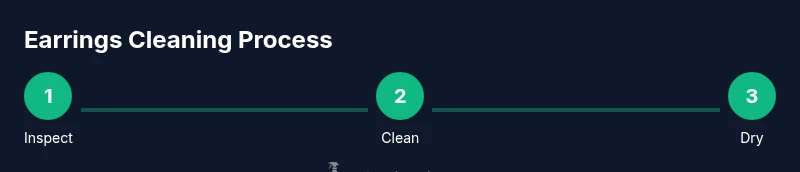
A practical routine combines prep, gentle cleaning, and careful drying. Start by inspecting each piece for loose stones or bent backings. Next, prepare a mild cleaning solution with warm water and a drop of dish soap. Gently brush settings and metal surfaces with a soft-bristle brush, then rinse under lukewarm water. Finally, pat dry with a microfiber cloth and allow air-drying for a few minutes before wearing or storing. This approach works well for many earrings, including silver, gold, and simple gemstone pieces. Always tailor steps to pearls or specially finished surfaces, and avoid soaking delicate items for long periods.
Special cases: vintage or fragile settings
Antique or vintage earrings, as well as pieces with fragile settings or glued stones, demand extra caution. Avoid aggressive brushes or soaking that could weaken adhesives or dislodge stones. For these items, consider gentle wipe-downs with a damp cloth, followed by immediate drying. If you notice a loose stone or a rattling backing, stop cleaning and take the piece to a jeweler. Frugal care includes minimal moisture exposure and clean storage to prevent tarnish or micro-scratches from dust.
Safety, storage, and post-cleaning care
After cleaning, dry earrings completely with a lint-free cloth and store them in a soft pouch or jewelry box to guard against scratches and humidity. Avoid humid bathrooms or direct sunlight, which can tarnish metals and fade stones over time. For ongoing care, schedule a light monthly wipe-down and inspect clasps and posts for wear. This routine reduces the likelihood of a sudden failure while wearing earrings. If you regularly exercise or sweat, consider wiping them more often and storing them separately from other jewelry to avoid tangling or transfer of oils.
AUTHORITY SOURCES
- https://www.gia.edu (Gemological Institute of America)
- https://extension.illinois.edu (University Extension on Jewelry Care)
- https://www.nps.gov (National Park Service: care for historic jewelry pieces)
This section provides external references to support the care principles described above and offers reputable guidance for material-specific cleaning practices.
Practical maintenance tips from Cleaning Tips
To preserve shine and extend the life of your earrings, perform routine maintenance using mild, non-abrasive cleaners. Avoid household solvents like acetone or bleach on porous stones and finishes. Always dry thoroughly and store separately to prevent cross-contamination and scratches. The Cleaning Tips team notes that consistent, gentle care is more effective than aggressive methods, and a light cleaning schedule yields better long-term results.
Tools & Materials
- Soft-bristle toothbrush(Small head, gentle bristles; ideal for cleaning around settings)
- Mild dish soap(Neutral pH, like dawn or similar; avoid lemon or abrasive formulations)
- Warm water(Water should be warm, not hot; temperature under 40°C (104°F))
- Soft microfiber cloth(Lint-free and non-abrasive for drying)
- Small bowl(For mixing a gentle cleaning solution)
- Tweezers (optional)(Useful for removing debris from around stones with care)
- Pearl-safe solution (optional)(If cleaning pearl jewelry, choose专 pearl-safe cleaners or avoid soaking)
- Isopropyl alcohol (optional)(Use sparingly on metal surfaces only; avoid pearls and porous stones)
Steps
Estimated time: 20-25 minutes
- 1
Inspect and prep
Check each earring for loose stones, bent posts, or damaged clasps before cleaning. Set up your workspace with a soft towel and good lighting. Gather your tools and solutions so you don’t have to search mid-cleaning.
Tip: Look for signs of wear under a bright light; catching issues early saves pieces from damage. - 2
Prepare cleaning solution
In a small bowl, mix warm water with a drop of mild dish soap. Keep the solution mild and avoid hot water that can loosen settings. Prepare only enough to cover the pieces you’ll clean.
Tip: Using a dedicated cleaning bowl prevents cross-contamination with kitchen chemicals. - 3
Soak safely (when appropriate)
If the earrings are solid metal or stone without pearl or porous components, soak for 3–5 minutes. Do not soak pearls or porous stones; prolonged exposure can damage nacre or stone settings.
Tip: Pearls soak only briefly or skip soaking entirely; always verify material suitability first. - 4
Brush gently
Use a soft-bristle brush to lift dirt from around settings and joints. Be gentle and use short, light strokes to avoid loosening stones. Rinse under a gentle stream of lukewarm water while keeping pieces supported.
Tip: Never scrub aggressively; resistant grime can indicate a loose setting rather than dirt. - 5
Rinse and dry
Rinse thoroughly with lukewarm water to remove soap residue. Pat dry with a microfiber cloth and allow any remaining moisture to air-dry completely before handling.
Tip: Hold pieces over a bowl to catch any drops; avoid towels that shed fibers. - 6
Inspect again and store
Re-check for any loosened stones or discoloration after drying. Store earrings individually in a soft pouch or lined jewelry box to prevent scratches.
Tip: Store in a cool, dry place away from humidity to minimize tarnish. - 7
Schedule routine care
Set a reminder for a light clean every few weeks, adjusting frequency based on wear and exposure to sweat or cosmetics.
Tip: A short monthly check helps catch issues before they become costly repairs.
Questions & Answers
Can I use toothpaste to clean earrings?
No. Toothpaste is abrasive and can scratch metals and gemstones, especially softer stones like opals or pearls.
Toothpaste is abrasive and can scratch your earrings, especially pearls or opals.
Is it safe to soak gold earrings in soapy water?
Yes, for most gold and gold-plated pieces, a brief soak in warm soapy water is fine, but avoid porous stones and plated surfaces.
A brief soak in warm soapy water is usually fine for gold, but avoid porous stones and plating.
Can I use alcohol to disinfect earrings?
Alcohol can dry out certain stones and damage adhesives; use sparingly and avoid pearl surfaces.
Alcohol can damage some stones and adhesives. Use cautiously.
What should I do if a stone is loose?
Stop cleaning and take the piece to a jeweler; continued cleaning can loosen the setting.
If a stone is loose, stop cleaning and see a jeweler.
How often should I clean earrings?
Clean earrings every few weeks if worn daily; wipe down if you sweat or wear during exercise.
Clean every few weeks, or more often if you sweat.
Watch Video
The Essentials
- Test cleaners on a small area before full cleaning.
- Choose mild soap and warm water for most metals.
- Pearls and plated pieces require extra care.
- The Cleaning Tips team recommends following these steps for best results.