Black Mold Clean Up: Safe Home Remediation Guide
Learn practical, step-by-step methods to safely clean up black mold at home, address moisture sources, and prevent regrowth. Cleaning Tips shares a thorough, science-based approach for homeowners and renters.


Goal: safely remove visible black mold and prevent regrowth. This guide provides a step-by-step remediation checklist, moisture control strategies, and PPE recommendations. You’ll learn how to seal off the area, choose approved cleaners, scrub affected surfaces, dry thoroughly, and verify humidity remains low after cleanup. If mold covers large areas or involves HVAC systems, contact a professional.
What is black mold and why cleanup matters
Black mold refers to several species of mold that tend to darken in damp environments, most commonly Stachybotrys chartarum. It thrives where moisture persists, often behind walls, under sinks, or in basements. Visible colonies may appear as dark greenish-black patches, but mold growth is rarely limited to what you can see. The health risk ranges from irritated eyes and throat to allergic reactions and, in some cases, respiratory symptoms, especially for children, seniors, and people with asthma or weakened immunity. According to Cleaning Tips, persistent moisture and poor ventilation are the root causes, so remediation must address both the organism and the moisture source. In practice, successful cleanup hinges on thorough containment, proper PPE, and a plan to prevent regrowth by drying materials and reducing humidity. The Cleaning Tips team emphasizes documenting moisture fixes and monitoring post-cleanup humidity to confirm mold does not reappear.
Safety first: PPE, containment, and when to avoid
Safety is non-negotiable when cleaning up black mold. Wear an NIOSH-rated respirator (ideally N95 or higher) to protect your lungs, along with waterproof gloves, goggles, and long sleeves. Use disposable coveralls if you’ll be handling porous materials. Set up containment: seal doors with plastic sheeting, close HVAC dampers, and run a portable dehumidifier in the room. Never mix cleaners with ammonia or bleach in an enclosed space, and ventilate the area if possible. If you have severe allergies, asthma, or a compromised immune system, consider skipping DIY cleanup and contacting a licensed mold remediation professional. Cleaning Tips recommends starting with a containment plan and a small test patch to ensure cleaners don’t damage surfaces. Remember: the goal is to remove spores without spreading them to other areas.
Step-by-step cleanup workflow overview
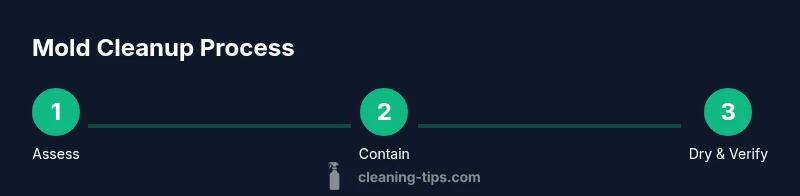
Remediation follows a logical sequence: assess, contain, clean, dry, and verify. First, locate all moisture sources and fix leaks; second, establish a barrier to prevent air movement; third, clean non-porous surfaces with a detergent-based cleaner or a professional-grade mold cleaner; fourth, remove and bag porous materials that are moldy; fifth, dry the area thoroughly using fans and a dehumidifier; sixth, monitor humidity for several days to ensure it stays low. This workflow addresses both visible mold and hidden spores. The guidance from Cleaning Tips emphasizes documenting the process and retesting visible mold after drying.
Tools, cleaners, and materials you’ll need
Preparing the right tools reduces the chance of spreading spores. Essential items include a properly fitted respirator, eye protection, and chemical-resistant gloves; plastic sheeting for containment; sealing tape; scrub brushes; a detergent-based cleaner or approved mold cleaner; disposable bags; a bucket; a disposable coverall option; a dehumidifier; and a HEPA-equipped vacuum for cleanup of dry dust.
Prevention and monitoring after cleanup
Mold prevention focuses on moisture control. Fix leaks promptly, improve ventilation in damp areas, and consider a humidity monitor. Maintain indoor humidity below 60% in most homes, and use exhaust fans in bathrooms and kitchens. Regularly inspect basements, crawl spaces, and laundry rooms for signs of moisture and water intrusion. Training your household to report leaks early reduces the chance of mold returning.
Tools & Materials
- N95 respirator or higher(Ensure a proper seal; replace filters as recommended by the manufacturer)
- Goggles or protective eye wear(Side shields preferred)
- Chemical-resistant gloves(Latex-free if possible; consider double gloves for heavy work)
- Disposable coveralls(Optional for extensive contamination)
- Plastic sheeting (6 mil or heavier)(For containment and door sealing)
- Duct tape / painter’s tape(Seal containment and seams)
- Scrub brushes(Different stiffness for different surfaces)
- Detergent-based cleaner or approved mold cleaner(Follow label directions; never mix cleaners with ammonia)
- Disposable bags (heavy-duty)(Seal tightly for disposal)
- Bucket(For mixing cleaners and rinsing)
- Dehumidifier(Aim to bring indoor RH below 60%)
- HEPA vacuum (optional but recommended)(Use after surfaces are dry)
- Moisture meter or humidity gauge(Useful for tracking drying progress)
Steps
Estimated time: 3-5 hours
- 1
Assess mold extent and moisture sources
Identify visible mold and locate moisture sources such as leaks or condensation. Map affected surfaces and note porous materials likely to require removal. This helps you plan containment and cleanup decisions.
Tip: Document extent with photos and measurements before starting. - 2
Contain the work area
Seal doors and vents with plastic sheeting, create a dedicated airflow path away from other spaces, and reduce air movement to minimize spore spread.
Tip: Turn off HVAC in the affected zone if safe to do so. - 3
Protect yourself and others
Put on the PPE listed above and limit occupancy in the area. Keep children and pets out of the cleanup zone during the process.
Tip: Check respirator fit and replace filters if you feel restricted airflow. - 4
Clean non-porous surfaces
Wipe or scrub hard, non-porous surfaces with a detergent-based cleaner or approved mold cleaner. Rinse with clean water and dry promptly to prevent regrowth.
Tip: Do not mix cleaners with ammonia or bleach; this can create hazardous fumes. - 5
Remove porous materials
Carefully bag and dispose of mold-damaged porous materials like drywall or carpeting that can harbor spores. Avoid shaking; this can release spores into the air.
Tip: Seal bags before moving to another area to minimize cross-contamination. - 6
Dry and verify dryness
Use a dehumidifier and fans to dry the space thoroughly. Monitor humidity levels for 24–72 hours and recheck for signs of dampness or new mold growth.
Tip: If humidity remains stubbornly high, extend drying time and re-evaluate moisture sources.
Questions & Answers
Can I clean black mold myself, or should I hire a professional?
Small, contained mold growth can be addressed by a cautious homeowner following safety steps. Large areas or mold in HVAC systems should be handled by a licensed mold remediation professional.
You can start with a careful DIY approach for small, contained areas, but seek a professional for large jobs or HVAC mold.
What PPE do I need for black mold cleanup?
Wear a properly fitted respirator (N95 or higher), protective goggles, chemical-resistant gloves, and disposable coveralls if contamination is extensive.
Wear a respirator, goggles, gloves, and coveralls for protection.
Is bleach effective on black mold?
Bleach can kill surface mold on nonporous surfaces but is not effective for porous materials and can create hazardous fumes if mixed with other cleaners.
Bleach isn't a universal fix and should not be the only method used on porous surfaces.
How long does cleanup take?
For small areas, cleanup and drying can take several hours; larger spaces may take a day or more, especially if drying is required after removal.
Time varies by area size; plan for several hours to a day or more if drying is needed.
What signs indicate mold growth beyond what I see?
Musty odors, ongoing dampness, staining behind walls, or warped materials suggest hidden growth you should assess further.
A musty smell or persistent dampness can indicate hidden mold.
What should I do after cleanup to prevent regrowth?
Repair leaks, improve ventilation, use dehumidifiers, and monitor indoor humidity to keep conditions unfavorable for mold.
Fix leaks and keep humidity down to prevent mold return.
Watch Video
The Essentials
- Identify moisture sources and fix leaks first.
- Contain the area to prevent cross-contamination.
- Use PPE and approved cleaners; dry surfaces promptly.
- Monitor humidity to prevent mold return.