What to Do When Cleaning Mold: A Practical Guide
Learn safe, step-by-step mold cleanup methods for homeowners and renters, covering assessment, containment, PPE, surface cleaning, moisture control, prevention, and when to call professionals.


By following practical steps, you’ll identify mold safely, contain contamination, choose cleaning methods, and dry the area to prevent regrowth. This quick guide covers assessment, PPE, surface cleaning, and prevention, so you can handle typical mold scenarios confidently and reduce health risks in your home. Remember: prioritize moisture control and seek professional help for large or hidden infestations.
What to do when cleaning mold
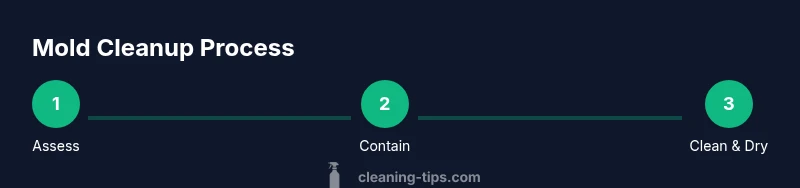
According to Cleaning Tips, mold safety starts with proper planning and containment. Before you pick up a sponge, take a moment to assess the extent, remove people and pets from the area, and ventilate the space. Mold exposure can irritate the eyes, skin, and lungs, and certain individuals—young children, the elderly, and people with asthma or allergies—are especially at risk. The most important factors are moisture control and a staged approach. This guide walks you through the essential steps, common surfaces, and practical tips to reduce health risks while restoring a clean environment. By staying calm and organized, you can limit the spread of spores and begin effective remediation.
Take notes on any water intrusion, leaks, or ongoing condensation, as these signals indicate that the problem may recur after cleanup. If you see extensive growth or suspect hidden mold behind walls, do not delay; instead plan a professional assessment and containment to protect your home's structure and your family's health.
Assessing the scope and containment
Begin by distinguishing a small, isolated spot from a broader contamination. Look for visible growth, a musty odor, water stains, or damp materials that keep repeating moisture problems. If the affected area is confined to a single room and the surfaces are non-porous (glass, tile, metal), DIY cleaning is usually feasible when you follow safety practices. For porous materials such as drywall, assess whether removal is more practical than cleaning, because mold can colonize hidden voids. Containment is essential: seal the door with plastic sheeting, close off vents, and set up a simple air barrier to keep spores from spreading to healthy rooms. Document the scope with photos and notes so you can reference them later during prevention and, if needed, professional remediation.
PPE and safety precautions you must take
Mold cleanup requires personal protection to minimize exposure. Put on an N95 respirator (or higher), durable gloves, protective goggles, and a long-sleeve shirt and pants. Use disposable coveralls if available, and change clothing after the job is done. Never mix cleaners, and never work in an unventilated space. If you have respiratory conditions or immune concerns, consider postponing DIY cleanup and seek professional help. Keep a trash bin nearby for disposable items and wash reusable tools separately after the job. Proper PPE is not optional—it's the first line of defense against contaminants and mold spores.
Cleaning methods for different surfaces
Non-porous surfaces (glass, metal, enamel) respond well to detergent and water or a cleaner designed for mold. Wipe, rinse, and dry thoroughly to prevent streaks and moisture buildup. For porous materials (wood, drywall, carpet backing), cleaning may be insufficient and removal is often the safer option; wallboard, insulation, and soft furnishings frequently harbor hidden mold and should be discarded if growth continues after cleaning. If you do attempt cleaning on porous surfaces, prioritize gentle methods and sanitize after removal with a mitigated approach to avoid spreading spores. Always test a small area first and avoid saturating materials that can retain moisture.
Drying and moisture control to prevent regrowth
After cleaning, rapid drying is critical. Use fans to circulate air, and a dehumidifier to pull moisture from the air. Keep indoor humidity below the recommended range (if possible, aim for under 50%) and monitor moisture levels with a simple meter or a humidity-read indicator. Check hidden spaces—behind baseboards, under sinks, and in crawl spaces—for lingering dampness. Do not leave damp materials in place; remove wet items promptly and dry them in a well-ventilated area. If the space remains humid or shows signs of regrowth in the days after cleanup, revisit cleaning or call a professional for guidance.
When to consider professional remediation
DIY cleaning is appropriate for small, contained mold growth, but professional remediation is warranted when growth is extensive, recurring after cleaning, or suspected to involve the HVAC system or building structure. A licensed mold remediation contractor can establish containment, use industrial-grade cleaners and equipment, and verify that the area is safe after treatment. They can also help identify underlying moisture problems—leaks, poor ventilation, or groundwater intrusion—that DIY methods may miss. In all cases, document conditions and communicate findings to your insurer or landlord if applicable.
Prevention and long-term moisture control
The best defense against mold is preventing moisture in the first place. Fix leaks promptly, repair dripping pipes, and ensure good ventilation in bathrooms and kitchens. Use exhaust fans during showers and cooking, and consider humidifiers or dehumidifiers in damp rooms. Seal cracks and improve insulation in basements and crawl spaces to reduce condensation. Regularly inspect areas prone to moisture—around windows, pipes, and HVAC ducts—and address small issues before they escalate. A routine maintenance plan helps keep mold at bay and protects indoor air quality over time.
Authority sources and references
For further guidance, consult official health and environmental sources:
- CDC mold detection and prevention: https://www.cdc.gov/mold/detection.html
- EPA mold guidance: https://www.epa.gov/mold/mold-guide
- OSHA mold safety information: https://www.osha.gov/mold These organizations provide foundational information that informs best practices recommended in Cleaning Tips articles. It’s important to rely on trusted sources when dealing with mold to ensure safety and effectiveness. The material here reflects guidance approved by health and safety authorities and tailored for homeowners and renters.
Tools & Materials
- N95 respirator or P100 mask(Fit-tested if possible; replace after each mold job.)
- Protective gloves (nitrile or rubber)(Long sleeves recommended.)
- Safety goggles or full-face shield(Ensure a snug seal.)
- Disposable coveralls or old clothing(Protect skin and fabrics.)
- Plastic sheeting (6-mil or heavier)(Create containment zone.)
- Tape (duct or painter tape)(Seal plastic to walls/doors.)
- Spray bottle with water and mild detergent(Pre-wet surfaces for cleaning.)
- Mild detergent or dedicated mold cleaner(Follow label directions.)
- Scrub brush and non-scratch sponge(Scrub non-porous surfaces gently.)
- Trash bags (heavy-duty)(Seal and dispose of contaminated materials.)
- Dehumidifier or high-capacity fan(Aid rapid drying.)
- HEPA vacuum (optional)(Use after cleanup to capture particles.)
Steps
Estimated time: 1-3 hours active remediation; drying may continue for 24-48 hours
- 1
Prepare the space and gather supplies
Collect all PPE and cleaning tools before you start. Clear the area of furniture if possible and cover nearby floorings with plastic to catch debris. Lay out a path for moving contaminated materials to a designated disposal area.
Tip: Set up a dedicated cleanup zone away from living spaces. - 2
Contain the area to prevent spread
Seal the mold area with plastic sheeting and tape to minimize drift of spores into remaining rooms. Close doors and vents, and run a fan away from living areas to create directed airflow. Avoid disturbing the growth more than necessary.
Tip: Work from clean areas outward to avoid carrying spores between zones. - 3
Inspect surfaces and choose cleaning method
Identify which surfaces are porous and which are non-porous. Non-porous surfaces can typically be cleaned with detergent and water, while porous materials may require removal. Decide whether you can clean or must discard affected materials.
Tip: Test a small area first to ensure the cleaner won’t damage surfaces. - 4
Clean non-porous surfaces
Wipe the surface with detergent and water, rinse, and dry completely. Use a clean microfiber cloth to reduce fiber deposition, and avoid over-wetting surfaces to prevent moisture capture.
Tip: Work in rows to avoid recontaminating cleaned areas. - 5
Handle porous materials carefully
Porous materials like drywall or insulation may harbor hidden mold. If growth continues after cleaning attempts, remove and dispose of affected portions according to local waste guidelines. Bag and seal waste before removal from the containment zone.
Tip: Do not forcefully tear out materials; seal and remove gradually. - 6
Dry and dehumidify the space
Run a dehumidifier and fans to accelerate drying. Monitor humidity; aim to keep it below about 50%. Check hidden areas for dampness and recheck after 24 hours.
Tip: If possible, perform a second cleaning after drying to remove any remaining spores. - 7
Document and plan prevention
Take photos, note areas of moisture, and record remediation steps. Create a prevention plan that includes leak repairs, improved ventilation, and routine humidity checks to reduce future mold risk.
Tip: Share findings with tenants/landlords and insurers if applicable.
Questions & Answers
Is bleach always necessary to remove mold?
Bleach can kill surface mold on non-porous surfaces, but it doesn’t reach mold inside porous materials. For many cleanup tasks, detergent and good drying are sufficient; consult a professional for extensive growth.
Bleach isn’t always necessary and can’t reach mold inside porous materials; use detergent and drying for most cases, or call a pro for large growth.
Can renters clean mold themselves?
Renters can manage small, non-porous mold growth in a single room if it’s safe to do so and they follow proper PPE and containment. For larger infestations or structural issues, contact the landlord and consider professional remediation.
Renters can handle small mold cleanups in non-porous areas, but bigger problems should be handled by a professional or with landlord involvement.
How do I know if mold is dangerous?
Visible growth, a persistent musty odor, allergic or respiratory symptoms, or mold in HVAC systems all warrant caution. If anyone in the home has health issues or if the area is extensive, seek professional guidance.
If you notice persistent symptoms or large growth, treat it as potentially dangerous and get professional help.
What should I do if mold keeps coming back?
Recurring mold usually signals ongoing moisture problems. Reassess leaks, ventilation, and humidity, and consider professional assessment to address hidden moisture sources.
If mold returns after cleaning, revisit moisture sources and consider a professional check for hidden issues.
Should I hire a professional for HVAC mold?
Yes. Mold in HVAC systems requires specialized containment and cleaning to avoid spreading spores. A professional with mold remediation experience can safely address ducts and equipment.
Mold in your HVAC system should be handled by a qualified professional for safe cleanup.
Can mold cleaning be a DIY project for small areas?
For small, non-porous areas and proper safety, DIY cleaning is possible. If uncertain about the extent or if porous materials are involved, seek professional guidance.
DIY can work for small, safe areas, but don’t DIY if you’re unsure about the extent or materials involved.
Watch Video
The Essentials
- Identify and contain mold before cleaning
- Use PPE and protect porous materials
- Dry thoroughly to prevent regrowth
- Choose cleaning methods based on surface type
- Consider professional help for large or hidden infestations