Can Clean Houses Get Cockroaches? A Practical Cleaning Guide
Explore can clean houses get cockroaches and learn practical steps—sanitation, moisture control, sealing, and monitoring—to prevent roaches in a spotless home. Includes expert tips from Cleaning Tips and a week-by-week plan.


Yes. Clean houses can get cockroaches because roaches are attracted to moisture, food residues, and sheltered cracks, not only dirty spaces. Even well-kept homes can harbor them if entry points exist or sanitation gaps remain. This guide explains how to identify risk, disrupt harborages, seal access, and establish an ongoing prevention routine.
Can clean houses get cockroaches? Reality check
According to Cleaning Tips, can clean houses get cockroaches? The answer is yes—but cleanliness is not a guarantee against roaches. They can hide in cracks, behind appliances, and in moist areas, thriving where humidity persists even after thorough cleaning. This reality often surprises homeowners who assume a spotless home is roach-free. By understanding where roaches hide and what attracts them, you can shift from reactive cleaning to proactive prevention. This section lays the groundwork for practical, science-backed steps you can take today to reduce risk and protect your home.
How roaches pick shelter in clean homes
Roaches are highly adaptable and exploit small, overlooked spaces. Even in tidy kitchens and bathrooms, crumbs, spilled liquids, and standing moisture create attractants. They favor sheltered locations like under sinks, behind refrigerators, inside wall voids, and around pipes where warmth and humidity linger. Knowing these hotspots helps you target cleaning and sealing efforts rather than chasing roaches after they appear. Regular checks of these zones reduce surprises and support long-term control.
Cockroach species you might encounter in homes
The two most common indoor roaches are the German cockroach and the American cockroach. German roaches prefer warm, humid kitchens and bathrooms and reproduce quickly, making early detection critical. American roaches are larger and more likely to roam living spaces at night. Identifying the species informs your approach, as different species respond differently to baits and sealing strategies. Regardless of species, the core prevention principles remain the same: sanitation, moisture control, and access denial.
Sanitation as the foundation of prevention
A clean home reduces roach temptation, but sanitation alone won’t seal the deal. Cleaning Tips analysis shows that consistent cleaning routines, prompt spill management, and trash containment are repeatedly linked to fewer sightings. Start with daily quick-clean habits (wipe counters, wash dishes, dry sinks) and move to weekly deep-cleaning tasks in kitchens and bathrooms. The goal is to remove attractants and disrupt roach-friendly microhabitats, making your home a less appealing place to live.
Moisture control: leaks, pipes, and humidity
Moisture is a primary driver of roach activity. Inspect under sinks, around leaky pipes, and in basements for damp patches. Fixing leaks promptly, improving ventilation, and using dehumidifiers in damp areas reduce breeding sites. Clear condensation on windows and routine drainage maintenance also play a role. By reducing persistent moisture, you make your home less hospitable to roaches and other pests.
Sealing entry points: doors, windows, pipes, and cracks
Roaches slip through tiny gaps—sometimes as small as a credit card width. Seal gaps around doors and windows, where pipes enter walls, along baseboards, and behind appliances. Use silicone-based caulk for long-lasting seams and consider weatherstripping on exterior doors. After sealing, recheck for new gaps during seasonal weather changes. Proper sealing dramatically lowers the likelihood of repeated invasions.
Food storage and waste management
Store all dry goods in sealed, pest-proof containers and keep shelves clean and organized. Promptly dispose of garbage, use tightly closed bins, and regularly take out the trash, especially to exterior containers. Don’t leave pet food out overnight, and clean up food and beverage spills immediately. Clean, dry surfaces deny roaches a reliable food source and reduce odor trails that draw them in.
Monitoring and control methods: traps, baits, and cleaners
Integrate monitoring with physical cleaning. Place roach traps or bait stations in corners, along baseboards, and near suspected harborage sites, following label directions for pet and child safety. Regularly inspect and replace baits as recommended. Vacuum crevices and clean sticky residues to remove scent trails. Use EPA-registered products where appropriate and maintain proper storage of any chemicals.
DIY methods vs. professional help
DIY cleaning and sealing can resolve many minor infestations, but persistent activity after a few weeks may require professional intervention. If you notice roaches in multiple rooms, especially near food preparation areas or in bathrooms, consult a licensed pest control professional. A trained technician can assess entry points, apply integrated pest management strategies, and provide a tailored prevention plan.
Outdoor perimeters and exterior considerations
Roaches can hitchhike from outdoor trash, compost, and nearby vegetation. Keep exterior trash bins closed, remove debris around the foundation, and trim back vegetation near the home to decrease shelter opportunities. Ensure exterior lighting is not attracting them at night and seal any outdoor gaps where utilities enter the house. A well-maintained perimeter supports indoor prevention efforts.
A practical week-by-week plan to reduce roach activity
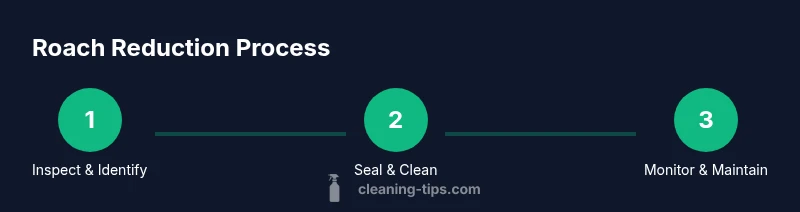
Week 1 focuses on cleaning, leak fixing, and sealing obvious gaps. Week 2 expands to testing for moisture, storing food properly, and placing monitoring traps. Week 3 emphasizes ongoing sanitation and rechecking seals after seasonal changes. Week 4 evaluates progress and adjusts the prevention plan, ensuring traps and baits are used safely where appropriate. Consistency is key to success.
Long-term prevention and maintenance
Create a simple, repeatable routine: daily wipe-downs, weekly deep-cleaning, monthly seal inspections, and quarterly pest-control reviews if needed. Maintain an organized pantry, fix leaks promptly, and monitor for signs of activity. With steady habits and proper sealing, you’ll significantly reduce roach-friendly conditions and protect your home over the long term.
Tools & Materials
- Disposal gloves (nitrile)(Size medium or larger, disposable)
- All-purpose cleaner(For surfaces and spills)
- Caulk or sealant (silicone or acrylic)(For cracks up to 1/4 inch)
- Caulking gun(To apply sealant neatly)
- Flashlight(Inspect dark corners and behind appliances)
- Vacuum with crevice attachment(Remove crumbs and debris from edges)
- Sticky traps or roach bait stations(Place in corners and along baseboards if allowed)
Steps
Estimated time: Total estimated time: 4-6 hours
- 1
Inspect for entry points and harborages
Walk through the home to identify cracks, gaps, and spaces where roaches hide. Look behind appliances, under sinks, and along baseboards. Document findings with notes or photos for targeted action.
Tip: Use a bright flashlight to reveal hidden gaps. - 2
Declutter and deep-clean food zones
Remove clutter, wipe surfaces, and vacuum corners where crumbs accumulate. Focus on the kitchen, dining areas, and pantry shelves. A cleaner environment reduces food sources and hiding spots.
Tip: Pay attention to under-sink cabinets and behind the fridge. - 3
Eliminate moisture and fix leaks
Repair dripping taps and leaky pipes; ensure bathroom and kitchen areas dry thoroughly after use. Consider a dehumidifier in damp basements or crawlspaces to reduce humidity.
Tip: Address moisture within 24-48 hours to prevent roach breeding. - 4
Seal cracks and gaps
Apply silicone-based caulk around pipes, baseboards, and window/door frames. Seal larger gaps with appropriate materials and check seasonal shifts for new openings.
Tip: Recheck after weather changes; leaks can reappear. - 5
Store food securely
Keep dry goods in sealed containers; avoid leaving pet food out overnight. Clean pet feeding areas daily and store bowls out of reach when not in use.
Tip: Label containers with purchase date to monitor freshness. - 6
Set traps and monitor activity
Place roach traps or bait stations along baseboards and near suspected harborage. Check weekly and replace bait as directed by the label.
Tip: Place traps behind appliances for best coverage. - 7
Clean drains and plumbing regularly
Flush drains with hot water, remove visible residues, and consider enzymatic cleaners where appropriate. Keep drains closed when not in use to deter entry.
Tip: Avoid chemical drain cleaners if you rely on bacterial cleaners. - 8
Manage outdoor entry risks
Seal gaps around exterior doors, light fixtures, and utilities. Trim vegetation away from the foundation and remove standing debris near the home.
Tip: Keep outdoor lighting away from doors to avoid attracting roaches at night. - 9
Maintain regular cleaning schedule
Set a weekly cleaning routine that includes wiping, vacuuming, and trash removal. Regular upkeep compounds prevention over time.
Tip: Involve all household members to keep routines consistent. - 10
Consider bait stations or professional help if needed
If sightings persist after cleaning and sealing, evaluate using bait stations or contacting a licensed pest professional for Integrated Pest Management (IPM).
Tip: Follow label directions for safety and effectiveness. - 11
Track progress and adjust
Record roach sightings and monitor trap captures. Adjust placement, sealing, or cleaning focus as needed based on activity.
Tip: Small changes early can prevent larger infestations. - 12
Create a long-term prevention plan
Establish ongoing checks, seasonal resealing, and annual professional evaluations if needed. A maintenance mindset sustains a roach-free home.
Tip: Treat prevention like annual housekeeping rather than a one-off fix.
Questions & Answers
Can a clean house still get cockroaches?
Yes. A clean house can still attract roaches if there are leaks, moisture, and hidden entry points. Roaches rely on moisture and shelter as much as food; addressing all factors is essential.
Yes, even a clean house can have roaches if there are leaks or hidden entry points. Moisture and shelter are key drivers, so fix leaks and seal gaps.
What are the most effective prevention methods?
Prioritize sanitation, moisture control, and sealing entry points. Store food securely, manage waste, and monitor with traps. For ongoing issues, seek pest-control expertise using a plan like IPM.
Sanitation, moisture control, sealing, and monitoring are the core methods. If needed, consult a pest professional for an integrated plan.
Are roach baits safe around pets and kids?
Baits should be used according to the label and placed where children and pets cannot reach. Consider professional products or non-toxic methods when households include youngsters or animals.
Only use baits in places kids and pets can't reach and follow the product instructions carefully.
How long does it take to see results after cleaning and sealing?
Results vary, but reducing activity can take days to weeks. Full control may take several weeks to a few months with consistent effort.
You might notice fewer roaches in days to weeks, with full control over a few months if you stay consistent.
When should I call professional pest control?
If roach sightings persist after cleaning, sealing, and traps, especially in kitchens or bathrooms, a licensed professional can assess and implement IPM.
Call a professional if you still see roaches after two weeks of cleaning and sealing.
Do roaches only live in dirty places?
Roaches prefer water and warmth; they can live in clean spaces if conditions suit them. They often hide in moist corners and voids.
No—roaches can live in clean spaces if there’s warmth and moisture.
Are DIY sprays effective for long-term control?
DIY sprays may reduce visible roaches temporarily but rarely address root causes. Use EPA-registered products and follow safety guidelines, especially with kids or pets.
DIY sprays can help temporarily, but they don’t fix root causes. Use registered products and follow the label.
Watch Video
The Essentials
- Cockroaches can invade clean homes; entry points matter.
- Sanitation, moisture control, and sealing are foundational.
- Monitor with traps and adjust strategies based on activity.
- Persistent problems may require professional IPM.