Does Cleaning Get Rid of Roaches? A Practical Sanitation Guide
Explore how sanitation reduces roach activity, what cleaning can and cannot do, and when to pair cleaning with traps, sealing, and professional pest control for a healthier home.


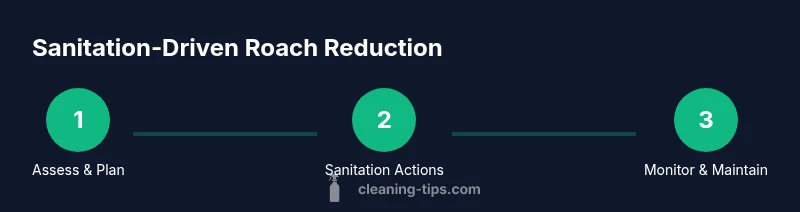
Does cleaning get rid of roaches? In short, sanitation reduces roach activity by removing food sources and water leaks, but cleaning alone rarely eliminates a roach infestation. For best results, pair thorough cleaning with traps, sealing entry points, and, if needed, professional pest control. This guide explains practical sanitation steps you can start today to slow roach populations and protect your home.
Does cleaning alone reduce roach problems?
According to Cleaning Tips, does cleaning get rid of roaches? The answer is nuanced: while sanitation greatly reduces available food, water, and harborage, cleaning alone rarely eliminates an established infestation. Cockroaches reproduce quickly, can hide in small cracks, and often survive behind appliances or inside walls. A clean home will slow activity and make other control methods more effective, but you should view sanitation as the foundation of an integrated approach, not a stand-alone cure. In this guide, you’ll learn practical cleaning steps that cut attractants and support traps, sealing, and, when necessary, professional pest control. Keep in mind that success depends on consistency, thoroughness, and combining multiple tactics rather than relying on a single action.
Why cleaning alone is rarely enough
Sanitation is essential, but roaches thrive where food scraps, moisture, and harborage exist. A single deep clean won’t reach every nook where roaches hide, and their eggs can survive in hidden cracks for weeks. Cleaning reduces what draws roaches to your home, which makes pesticides, traps, and exclusion strategies more effective. For homeowners and renters, adopting an integrated approach—sanitation plus physical barriers and targeted controls—produces the best long-term results. Remember, does cleaning get rid of roaches? Not by itself, but it creates the conditions that make other methods work better. This is why sanitation should come first in any roach-control plan.
The sanitation checklist for roach control
A comprehensive sanitation checklist forms the backbone of roach control:
- Declutter and remove food sources from floors and counters.
- Wipe down all kitchen and dining surfaces with an appropriate cleaner.
- Vacuum and mop floors to remove crumbs, grease, and eggs that roaches may use as food.
- Store all dry goods in sealed containers; keep shelves clean and dry.
- Empty trash daily and use bins with tight-fitting lids.
- Fix leaks and eliminate standing water in sinks, under appliances, and around pipes.
- Clear pet food and water dishes overnight or store them in sealed containers.
- Clean under and behind appliances, inside cabinets, and in pantry corners to remove hidden crumbs.
- Seal obvious gaps around doors, windows, and baseboards to reduce harborage.
- Maintain a tidy, clutter-free environment to limit hiding places.
This checklist is designed to be practical and repeatable, so you can keep roaches from gaining a foothold while you implement other controls.
Effective cleaning routines to deter roaches
A regular cleaning routine makes a measurable difference in roach activity over time. Build a simple schedule that targets high-risk areas first—the kitchen, dining zones, and bathrooms. Daily tasks include wiping counters, washing dishes, and taking out the trash. Weekly tasks involve vacuuming behind appliances, cleaning inside cabinets, and mopping hard floors. Rotate tasks to avoid burnout, and align cleaning with pest-control activities like trap checking. The goal is to remove attractants consistently so roaches have fewer reasons to linger. A steady routine also improves air quality and overall home hygiene, which benefits your health as well as pest prevention.
Addressing water and food sources to cut roach appeal
Roaches rely on water and food remnants. Eliminating these sources dramatically reduces their ability to thrive. Inspect for leaks under sinks and around toilets; repair pipes promptly. Do not leave standing water in sinks or pet bowls overnight. Clean spills immediately, wipe up grease from stovetops, and ensure kitchen floors are dry after cleaning. Use sealed containers for rice, flour, sugar, and cereal, and avoid leaving crumbs on counters or the floor. Reducing moisture and food availability makes your home less attractive to roaches and complements other control measures.
Sealing entry points and blocking harborage
Prevention hinges on cutting off access points and harborage. Inspect doors, windows, baseboards, and foundation cracks for gaps; seal with caulk, weatherstripping, or door sweeps. Pay special attention to cracks around pipes, electrical outlets, and cabinets. Install door sweeps on exterior doors and consider excluding gaps where pipes enter the home. A tighter shell reduces new roach invasions and makes sanitation efforts more effective by limiting roach movement and egg-laying sites.
Monitoring progress with traps and cleanliness logs
Tracking progress is key to understanding the effectiveness of your sanitation plan. Place a few roach traps in strategic, non-accessible locations and inspect them weekly. Maintain a cleanliness log noting areas cleaned, trash taken out, and any sightings. A steady decrease in trap catches and sightings over weeks indicates your sanitation and exclusion measures are working. If activity remains high after several weeks, escalate by adding more traps, deep cleaning hotspots, or consulting a pest professional. Regular monitoring helps you adapt quickly and avoid wasted effort.
When to escalate: traps, baits, and professional help
Cleaning is foundational, but moderate to severe infestations often require additional methods. If traps show persistent activity over two to three weeks, or if you notice roaches in multiple rooms, consider bait stations and gel baits placed according to label directions. Avoid overusing pesticides in living areas, especially around children and pets. For persistent infestations or signs of egg cases, consult a licensed pest-control professional who can assess entry points and tailor a treatment plan. An integrated approach—calibration of sanitation, exclusion, and targeted controls—yields the best results.
Safe cleaning products and practices
Choose cleaning products that remove grease and crumbs without leaving residue that attracts roaches. Simple soap and water work well for daily cleaning; for tougher grime, use non-ammonia cleaners, as ammonia-based products can leave strong odors that irritate some household members. Avoid mixing cleaners, and always ventilate the area. Do not rely on DIY mixes to replace proven pest-control methods—the goal is to remove attractants cleanly and safely while planning for additional controls when needed.
DIY sanitation plan: week-by-week example
Week 1: Establish the baseline by deep-cleaning the kitchen and dining areas. Remove clutter, seal obvious cracks, and set up a daily 15-minute wipe-down and trash routine. Week 2: Expand to bathrooms and entry points. Check for leaks, dry surfaces, and vacuums in place of heavy cleaning. Week 3: Introduce traps, continue routine cleaning, and document observations. Week 4: Evaluate progress, adjust trap placement, and consider professional consultation if needed. By maintaining a steady routine, you’ll create conditions unfavorable to roaches and support any additional pest-control measures you choose to employ.
These sections are designed to be practical, actionable, and easy to follow for homeowners and renters while reinforcing that sanitation is the foundation of roach control.
How to sustain roach-resistant cleanliness over time
To maintain a roach-resistant home, embed sanitation into daily life and seasonal maintenance. Keep counters, floors, and sinks clean; store food in sealed containers; and promptly address leaks. Schedule quarterly deep-cleans of kitchens and bathrooms, and re-check seals and door sweeps as part of routine home maintenance. When done consistently, sanitation compounds with other methods to keep roaches at bay and protects your health and comfort in the long term.
Tools & Materials
- Trash bags(Heavy-duty bags; replace daily and seal tightly)
- Vacuum cleaner with hose attachment(HEPA-filter preferred for dust control)
- All-purpose cleaner(Formulated for kitchen and bathroom use)
- Disinfectant wipes/spray(Used on high-touch surfaces after cleaning)
- Mop and bucket(Microfiber mop for better debris pickup)
- Gloves(Protect hands during cleaning and handling waste)
- Caulk and door sweeps(Optional for sealing gaps and doors)
- Pest traps/bait stations(Use as part of an integrated approach)
Steps
Estimated time: 2-4 hours
- 1
Assess the situation
Begin by surveying each room for crumbs, leaks, clutter, and potential harborage. Note areas with frequent roach sightings and plan targeted cleaning. This baseline helps you prioritize tasks and measure progress.
Tip: Document hotspots with photos or a simple checklist to stay organized. - 2
Declutter and remove attractants
Clear countertops, remove open food containers, and store items in sealed containers. Reducing clutter minimizes hiding places and makes sanitation more effective.
Tip: Focus on the kitchen first, where roaches are most attracted to crumbs and moisture. - 3
Deep-clean kitchen and dining areas
Wipe counters, sweep and mop floors, and clean under appliances. Don’t overlook cabinet seams and pantry corners where crumbs accumulate.
Tip: Use a damp microfiber cloth and a cleaner that leaves no greasy residue. - 4
Address water sources
Repair leaks, dry sinks and floors, and remove standing water. Roaches need water; eliminating it reduces their numbers.
Tip: Check under sinks and around the toilet for hidden leaks. - 5
Seal food and waste properly
Place trash in sealed bins and empty daily. Store grains, cereals, and snacks in airtight containers.
Tip: Keep pet food sealed after feeding and during off-hours. - 6
Clean and disinfect high-touch surfaces
Disinfect sinks, faucet handles, cabinet pulls, and light switches to remove roach-friendly residues.
Tip: Ventilate the room after applying cleaners. - 7
Vacuum and wipe hard-to-reach areas
Vacuum edges of cupboards, behind appliances, and inside drawers where crumbs hide. Wipe with an all-purpose cleaner after vacuuming.
Tip: Vacuuming eggs requires thorough coverage; don’t skip crevices. - 8
Seal entry points and harborage
Inspect for gaps around doors, windows, pipes, and electrical outlets. Seal with caulk or weatherstripping and install door sweeps where appropriate.
Tip: Even small gaps can welcome roaches; seal them promptly. - 9
Set monitoring and basic controls
Place roach traps in strategic spots and monitor weekly. Consider basic baits if activity persists, following label directions.
Tip: Avoid placing traps near children and pets. - 10
Review progress and adjust
After 2–3 weeks, compare sightings and trap results to your baseline. Adjust cleaning focus, trap placement, and sealing as needed.
Tip: Consistency beats intensity—short, regular sessions beat occasional deep cleans. - 11
Decide on next steps
If activity remains high, consult a licensed pest professional to tailor a comprehensive plan that fits your home and budget.
Tip: Professional guidance can prevent wasted efforts and protect your health.
Questions & Answers
Can cleaning alone eliminate a roach infestation?
Cleaning reduces food and water sources but rarely eliminates an established infestation. For most homes, sanitation should be paired with traps, sealing, and possibly professional treatment to achieve lasting control.
Cleaning helps, but it usually isn’t enough by itself to fully remove roaches.
What should I clean first to deter roaches?
Start in the kitchen where crumbs and spills accumulate. Wipe counters, wash dishes, clear clutter, and vacuum floors before expanding to bathrooms and living areas.
Begin in the kitchen, where roaches are most attracted to food residues.
How long before I see improvements from sanitation?
You may notice reduced activity within days, but substantial changes typically take weeks of consistent cleaning and exclusion. Combine with traps and sealing for faster results.
You might see some improvement within days, with bigger changes over a few weeks.
Should I use pesticides along with cleaning?
Pesticides can help, especially in tougher cases. Use according to label directions and consider professional treatment for persistent infestations.
Pesticides may be useful if cleaning isn’t enough, but follow the instructions carefully.
Is sealing entry points essential?
Yes. Sealing gaps reduces roach ingress and egg hiding spots, making sanitation more effective over time.
Sealing gaps is a critical step that boosts the impact of cleaning.
Watch Video
The Essentials
- Sanitation reduces roach attractants and slows activity
- Cleaning alone rarely eliminates an infestation without additional methods
- Seal entry points and fix leaks to cut harborage and access
- Monitor progress with traps and a cleanliness log to guide actions