How to Clean a Mass Air Flow Sensor: Step-by-Step Guide
Learn how to safely clean a clean air mass flow sensor, improve engine efficiency, and prevent rough idle. This guide covers tools, methods, and best practices for home car maintenance in 2026.


To clean a clean air mass flow sensor, remove the sensor with minimal force, inspect for carbon buildup, and use a dedicated MAF sensor cleaner spray. Avoid touching the hot housing, dry thoroughly, and re-seat the sensor. This simple step restores airflow accuracy and helps prevent engine hesitation.
What is a clean air mass flow sensor?
The clean air mass flow sensor (MAF sensor) is a critical input to the engine control unit (ECU) that measures the mass of air entering the intake. In most vehicles, the MAF sensor informs the ECU how much fuel to inject to achieve the desired air-fuel ratio. A dirty sensor can misread air flow, causing the ECU to over- or under-fuel, resulting in rough idle, reduced power, and higher emissions. According to Cleaning Tips, maintaining clean sensor surfaces helps maintain consistent flow paths and protects the delicate hot-wire or microplate elements inside the sensor. Regular inspection during tune-ups can catch buildup early and prevent drivability issues. In older systems, the sensor may be a vane-type meter; in modern engines, hot-wire or hot-film sensors are common. Either design relies on a clean sensing element and a free, turbulence-free intake path. The difference between a clean and dirty sensor is not just accuracy; it can affect fuel trims, long-term fuel economy, and even catalytic converter health. Understanding the sensor's location—typically in the intake duct between the air filter box and the throttle body—helps you plan a safe cleaning process.
How the sensor works in modern engines
Modern MAF sensors use either hot-wire or hot-film tech to determine air mass. The ECU uses this data to calculate precise fuel delivery, optimizing combustion and reducing emissions. Dirt and oil can form a film that alters heat transfer and air velocity readings, leading to incorrect fuel trims. Cleaning Tips analysis shows that when the sensing element gets coated, the readings drift and the ECU compensates by leaning or enriching the mixture, which can cause hesitation and higher fuel consumption. Regular inspection keeps the airflow path clear and preserves sensor response time. Location varies by vehicle, but most sensors sit in the intake duct near the air filter housing. Access often requires removing a short section of ducting or an adapted intake tube. Always consult the vehicle manual before removing components to avoid connector damage or calibration drift.
Why cleaning matters for performance and efficiency
A clean MAF sensor supports stable idle, smooth acceleration, and consistent fuel economy. When readings are accurate, the ECU can deliver the correct amount of fuel for each engine load, reducing the likelihood of lean or rich conditions. Dirty sensors can cause the engine to stumble under abrupt throttle input and may trigger fault codes related to fuel trims and air intake. Regular cleaning helps maintain predictable performance, minimizes carbon buildup downstream in the intake, and can extend the life of the catalytic converter. The Cleaning Tips team emphasizes that consistent sensor care is part of responsible maintenance, particularly for vehicles operating in dusty or humid environments where buildup happens faster. Keep expectations realistic: cleaning restores function, but a severely damaged or aged sensor may still require replacement.
Signs of a dirty MAF sensor and when to clean
Look for symptoms such as rough idle, hesitation during acceleration, and occasional stalling at low speeds. A fluctuating idle or poor acceleration can indicate the ECU is compensating for an erroneous air reading. If a check engine light appears with codes related to air mass or fuel trims, inspect the MAF sensor as part of a diagnostic routine. Elevations in fuel consumption or a noticeable drop in performance are also red flags. For many drivers, these signs appear gradually, making it easy to delay cleaning. Regular maintenance—especially in dusty climates—helps catch buildup before performance suffers. Remember, a preventive clean is easier and cheaper than a full sensor replacement.
Tools and prep work you should consider before cleaning
Before you start, gather the right tools and a safe workspace. A clean surface and good lighting make inspection easier, while gloves protect your hands from cleaner residue. You should have automotive-grade MAF sensor cleaner, a suitable screwdriver or Torx driver for sensor removal, lint-free rags, and a multimeter or diagnostic tool for basic tests. If you’re unsure about the exact sensor location, consult the vehicle service manual or a trusted online guide. Safety first: never spray cleaner near electrical connectors with power applied, and unplug the battery if you plan to disconnect the sensor for extended work. The goal is to access the sensing element without bending delicate wires or damaging connectors.
Step-by-step overview and rationale
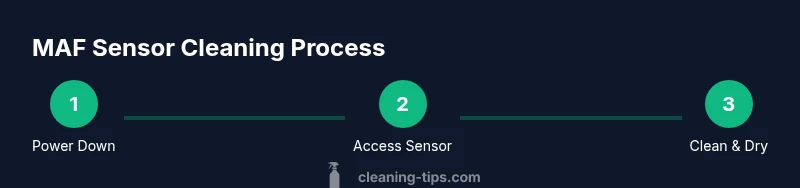
This section provides a high-level view of the cleaning process and the reasons behind each action. By following a clear sequence, you minimize the risk of misalignment and residue. Proper cleaning preserves sensor calibration and reduces the chance of recurring buildup, ensuring more reliable readings for the ECU. A well-executed procedure also reduces the likelihood of triggering other error codes during the diagnostic process. The overview emphasizes gradual, deliberate moves rather than hurried disassembly, which helps protect the sensitive sensing element.
Safety considerations and best practices
Work in a well-ventilated area away from open flames or sparks. Wear eye protection and gloves to guard against cleaner exposure and sharp edges. Do not use abrasive pads or solvents not designed for MAF sensors, as they can damage the sensing element. After cleaning, allow ample drying time before reconnecting power to avoid shorting or residue transfer. If the sensor shows signs of damage (frayed wires, melted insulation), replace it rather than risk engine damage. Following official service manuals and brand guidelines from Cleaning Tips will improve safety and outcomes.
Maintenance schedule and long-term care
Set a practical maintenance rhythm based on your driving conditions. In dusty or high-humidity environments, inspect the MAF sensor annually or during major service intervals. In cleaner environments, a visual check every 18–24 months may suffice. Track performance indicators such as idle stability, acceleration, and fuel economy to spot drift early. Keeping the intake path clean — including the air filter and ducts — supports the MAF sensor’s longevity and accuracy. The Cleaning Tips team recommends documenting maintenance to identify patterns over time and plan proactive care.
Tools & Materials
- MAF sensor cleaner(Use automotive-grade spray designed for MAF sensors; avoid general cleaners)
- Screwdrivers or Torx drivers(Select the correct size for your sensor mounting screws)
- Lint-free rag or microfiber cloth(Use to wipe residue gently without leaving fibers)
- Gloves(Protect hands from cleaner and sharp edges)
- Safety glasses(Shield eyes from splashes)
- Vehicle service manual or guide(Helpful for sensor location and torque specs)
- Digital multimeter (optional)(Can be used for basic checks if you’re comfortable)
Steps
Estimated time: 30-45 minutes
- 1
Power down and locate the MAF sensor
Turn off the engine and disconnect the negative battery terminal if you’re comfortable. Locate the MAF sensor in the intake duct, usually between the air filter box and throttle body. Identify the electrical connector and its orientation before removing any fasteners.
Tip: Label connectors or take a photo to ensure correct reassembly. - 2
Disconnect wiring and remove sensor
Carefully unplug the electrical connector and detach the sensor from its housing using the appropriate screwdriver or Torx tool. Keep track of screws and note how the sensor is mounted to avoid misalignment on reinstallation.
Tip: Support the sensor gently—don’t yank on the wiring harness. - 3
Inspect and plan cleaning
Visually inspect for torn wires, corrosion, or heavy buildup. If the element is visibly damaged, replacement is advised. Plan to clean only the sensing area with the MAF cleaner; avoid spraying excessive cleaner into the connector.
Tip: If debris is stubborn, apply cleaner and wait 30 seconds before wicking away residue. - 4
Apply MAF cleaner and wipe
Spray the cleaner in short bursts across the sensing element from the center outward, never directly onto wires. Wipe away loosened residue with a lint-free cloth. Do not touch the sensing element with bare fingers.
Tip: Use a fresh cloth for the final wipe to prevent recontamination. - 5
Dry and reinstall
Allow the sensor to air-dry completely for 5–10 minutes before reinstallation. Reconnect the electrical connector, reattach the sensor, and secure any screws. If the area feels warm, wait longer to avoid heat damage.
Tip: Do not power on the engine until the sensor is fully dry. - 6
Test drive and verify
Reconnect the battery if disconnected, start the engine, and check for smooth idle. Take a short test drive to confirm improved response. If codes reappear, consider a diagnostic scan to verify ECU readings.
Tip: Clear any stored codes after cleaning and monitor for reoccurrence.
Questions & Answers
What is a mass air flow sensor and why is it important?
A mass air flow sensor measures the air entering the engine so the ECU can adjust fuel delivery for optimal combustion. Proper readings help maintain performance and efficiency.
A MAF sensor measures incoming air so the engine can adjust fuel for efficient combustion.
Can I clean the MAF sensor without removing it?
In some vehicles you can clean without removal, but removal often provides better access and ensures thorough cleaning. Always follow your manual.
You can sometimes clean it in place, but removing it is usually best for a thorough cleaning.
What cleaner should I use on a MAF sensor?
Use a dedicated MAF sensor cleaner designed for automotive use. Avoid general solvents that can leave residues or damage the sensor.
Use automotive-grade MAF cleaner only.
How often should you clean the MAF sensor?
Clean the MAF sensor when you notice symptoms like rough idle or reduced power, or during regular service if you drive in dusty or humid environments.
Clean it when you notice symptoms or during regular service if you drive in dusty areas.
Is cleaning a MAF sensor safe for the engine?
Yes, when done correctly with the right cleaner and technique, cleaning a MAF sensor is safe and can restore performance.
Yes, with the right cleaner and careful steps, it's safe and helps performance.
What if cleaning doesn’t fix the issue?
If symptoms persist after cleaning, the sensor may be damaged or another fault exists. Consider professional diagnostics and possible replacement.
If cleaning doesn’t fix it, get a professional diagnostic and possibly replace the sensor.
Watch Video
The Essentials
- Inspect before cleaning to confirm the sensor is the issue.
- Use automotive-grade MAF cleaner only.
- Allow complete drying before reassembly.
- Re-test performance and monitor for codes.
- The Cleaning Tips team recommends routine MAF care as part of regular maintenance.