Clean at Home: A Practical, Step-by-Step Cleaning Guide
Discover a practical, repeatable approach to clean at home with a 6-step routine, essential tools, safety tips, and eco-friendly options for healthier living.


Clean at home begins with a core supply kit, a practical six-step loop, and consistent daily habits. This quick answer points you to a full step-by-step guide, plus safety tips and eco-friendly options.
Why clean at home matters
Keeping your living spaces clean reduces allergens, supports better sleep, and creates a welcoming environment for family and guests. The act of cleaning at home is more than cosmetic; it can improve indoor air quality and reduce bacteria on high-contact surfaces. According to Cleaning Tips, maintaining a clean home supports health and mood. The Cleaning Tips team found that simple, consistent cleaning reduces buildup over time and makes deeper tasks easier. By adopting a deliberate routine, you turn cleaning from a chore into a predictable, manageable habit.
Essential tools and materials for a home cleaning routine
Having the right tools makes cleaning faster and more effective. Use microfiber cloths for dust and wipe-downs; a spray bottle with your chosen cleaners; a vacuum with appropriate attachments; a mop and bucket; gloves for skin protection; and a squeegee for windows. For eco-friendly cleaning, consider reusable spray bottles, baking soda, white vinegar, and cold water. Store items in a single cleaning caddy or cart to reduce time spent searching. Label your products to avoid mixing chemicals.
A practical, step-by-step cleaning routine
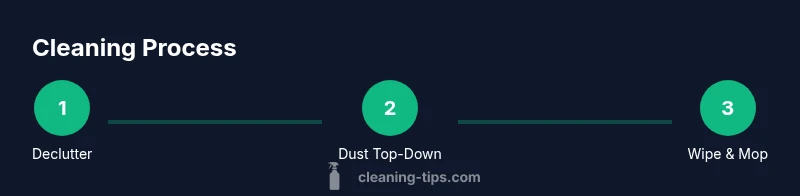
A reliable cleaning session follows a logical flow that minimizes rework and maximizes results. Start with decluttering and clearing surfaces, then move to dusting from the top down to prevent settled dust from falling onto cleaned areas. Wipe high-touch surfaces with appropriate cleaners, vacuum or sweep floors, and finish with mopping if needed. For textiles like towels and pillows, launder as per label directions to prevent buildup. This section provides a practical routine you can adapt to any home.
Safety, eco-friendly choices, and avoiding common mistakes
Choose non-toxic cleaners when possible to protect children, pets, and indoor air quality. Ventilate work areas by opening windows or using a fan, especially when using spray cleaners. Avoid mixing bleach with ammonia or other cleaners, as dangerous gases can form. If you prefer eco-friendly options, rely on simple ingredients like vinegar, baking soda, and water, which are effective for many tasks. Always test cleaners on inconspicuous areas first to prevent damage.
Maintenance routines to keep cleaning manageable
Turn cleaning into a habit by integrating quick daily touches with a longer weekly deep-clean. A 10–15 minute daily sweep of high-traffic zones can dramatically reduce weekly workload. Schedule one 45–60 minute window each week for a deeper clean of bathrooms, kitchens, and floors. Monthly, re-evaluate supplies and replace worn tools to maintain efficiency. With consistent maintenance, you’ll reduce the need for drastic, time-consuming scrubbing.
Tools & Materials
- Microfiber cleaning cloths(Several soft cloths; replace when frayed)
- All-purpose cleaner or vinegar(Choose non-toxic if possible)
- Spray bottle(Reusable and clearly labeled)
- Vacuum cleaner with attachments(HEPA filter if available)
- Mop and bucket(Bowl or wringer if needed)
- Gloves(Protect skin during cleaning)
- Squeegee(Windows and glass surfaces)
- Baking soda(Deodorizing and scrubbing)
- White vinegar(Disinfectant and deodorizer)
- Laundry detergent(For textiles and fabrics)
- Label maker or tape(Organization and labeling)
Steps
Estimated time: 60-90 minutes
- 1
Clear and declutter surfaces
Begin by putting away loose items, mail, toys, and clutter from the rooms you’ll clean. Removing clutter speeds the cleaning process, reduces hidden dirt, and prevents re-soiling of cleaned areas. Focus on one room at a time to avoid scattered effort.
Tip: Work room-by-room; set a timer for 10–15 minutes per space to stay focused. - 2
Dust from high to low
Dust ceiling corners, light fixtures, shelves, and decor first, then move to surfaces at desk height and finally lower areas. This prevents settled dust from landing on freshly cleaned surfaces.
Tip: Use microfiber cloths dampened slightly to trap dust rather than push it around. - 3
Wipe high-touch surfaces
Spray cleaner on kitchen counters, doorknobs, switches, and appliance handles. Wipe in a consistent pattern to cover all areas without re-dirtying already cleaned spots.
Tip: Target areas you touch daily; this reduces germ spread in living spaces. - 4
Vacuum and mop floors
Vacuum to remove dust and hair from carpets and hard floors, then mop or damp-wipe hard surfaces. Allow floors to air-dry before walking on them to prevent streaks.
Tip: Use hard floor setting on vacuums for efficiency and protect delicate floor finishes. - 5
Tackle laundry and textiles
Sort and launder textiles such as towels, bedding, and curtains according to care labels. Fresh textiles contribute to a cleaner feel and fewer odors in the home.
Tip: Set a weekly laundry schedule to keep textiles consistently fresh. - 6
Daily upkeep and quick check
Spend 5–10 minutes for quick daily touch-ups: wipe spills, put items away, and do a quick tidy of clutter-prone zones. This keeps the home consistently clean without heavy weekly work.
Tip: Keep a small cleaning caddy in each main living area for fast touch-ups.
Questions & Answers
How often should I clean at home?
Aim for light daily touch-ups and a deeper weekly clean. Adjust frequency based on household size, activity level, and presence of children or pets.
Most homes benefit from a light daily touch-up and a deeper weekly clean; adjust as needed for your household.
Are eco-friendly cleaners effective?
Yes, many eco-friendly cleaners are effective for everyday cleaning. They work best when used as directed and combined with proper scrubbing and ventilation.
Eco-friendly cleaners can be highly effective when used properly and with good ventilation.
How do I deal with stubborn stains?
Pre-treat with a gentle stain remover or a paste of baking soda and water, then rewash or re-clean the area. For persistent issues, repeat the treatment or use a targeted cleaner for the surface.
Pre-treat stains, then re-clean. For stubborn stains, repeat the treatment as needed.
Should I use bleach?
Bleach can be effective in certain scenarios, but it should be used with caution. Never mix bleach with ammonia or acids, and always follow label directions.
Bleach is sometimes appropriate, but use it carefully and never mix with other cleaners.
How can I keep cleaning affordable?
Stick to a core set of multi-purpose cleaners, reusable cloths, and simple ingredients like vinegar and baking soda. Reuse tools and lids, and buy in bulk where practical.
Use a core toolkit, reuse supplies, and opt for multipurpose cleaners to save money.
Watch Video
The Essentials
- Define your routine and stick to it.
- Use the right tools to increase efficiency.
- Choose non-toxic or eco-friendly options when possible.
- Keep a daily quick-clean habit to reduce deep-clean workload.