Clean Concrete Surfaces with a Pressure Washer: A Practical Guide
Learn to safely clean concrete surfaces with a pressure washer, covering setup, technique, and maintenance for a durable, spotless finish. Ideal for DIYers.


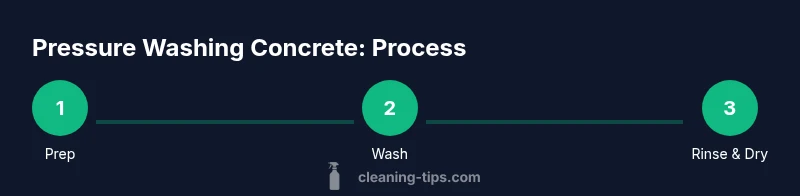
A clean concrete surface can be achieved with a pressure washer by following a methodical plan: prep the area, select the correct nozzle, apply detergent if needed, treat stains, and rinse thoroughly. Start with low pressure, gradually increase, and keep the wand moving to avoid streaks or pitting. Always wear eye protection and secure nearby plants.
What a clean concrete pressure washer does for your outdoor spaces
Using a clean concrete pressure washer is an effective way to rejuvenate dull driveways, patios, and walkways. The Cleaning Tips team notes that a well-maintained machine can remove years of dirt, mold, and tire stains without harsh scrubbing. A key advantage is that pressure washing uses water pressure to lift embedded grime rather than relying solely on chemical cleaners, which preserves surrounding plants and soil when used properly. When you approach a concrete surface with the right mindset, you can see noticeable results in a single session: a brighter surface, more even color, and a safer, cleaner entry to your home. This quick win also reduces slip hazards from algae growth and helps prevent winter damage caused by freeze-thaw cycles, which can worsen if a surface remains dirty. Professional cleaners often emphasize two pillars: control and protection. Control means using the correct nozzle, adjusting distance to avoid etching, and moving the wand in smooth, overlapping strokes. Protection means covering nearby plants, sealing off outlets, and wearing appropriate PPE to avoid injuries. With a little preparation, almost any homeowner or renter can achieve professional-looking results with a clean concrete pressure washer.
Understanding concrete staining and dirt removal
Concrete faces three common challenges: embedded dirt, organic growth (moss, algae, mold), and mineral stains from metal rust or oil leaks. A pressure washer helps with all three by physically dislodging grime and by enabling you to rinse it away before it sets deeper. The thorough approach combines mechanical action with optional detergents designed for concrete; rust and oil stains may require pre-treatment. The Cleaning Tips analysis shows that patience matters: moving slowly across the surface, keeping the wand at the recommended distance, and avoiding aggressive passes yield more uniform results and reduce pitting. For outdoors, weather plays a role: a dry, mild day allows faster drying and reduces the chance of streaks. If you’re cleaning a stamped or textured surface, test on a hidden area first to avoid damage and consult manufacturer guidance. Remember that a clean surface dries lighter; you may need a second pass to even tone after the first pass flushes out deep grime.
Safety first: PPE, surfaces, and setup
Safety should never be an afterthought. Wear protective eyewear, gloves, and closed-toe shoes, and keep bystanders at a safe distance. Use a long-sleeve shirt and eye protection to guard against flying debris and splashes. Ground yourself by keeping electrical cords dry and away from water spray. Protect nearby plants and landscaping with tarps or plastic sheeting, and cover electrical outlets or outlets with appropriate covers. Inspect the surface for loose or crumbling areas; pressure can worsen damage on weak concrete. If you discover large cracks, avoid aiming directly at them and consider consulting a professional. Always test a small, inconspicuous patch to calibrate distance and spray pattern before moving to larger areas. By following these precautions, you minimize risk while achieving professional-looking cleaning results.
Prepping your area and equipment
Before turning on the machine, plan your route and remove items that could block spray or become damaged. Clear the area of planters, hoses, and vehicles, and secure pets indoors. Use masking tape or plastic to protect doors, windows, and outlet boxes. If you’ll be working near green spaces, arrange barriers to prevent chemical runoff from detergents. Focus on pre-wetting porous surfaces to reduce suction of detergents and to help loosen grime. Check your hoses for cracks and ensure connections are tight. Finally, inspect your equipment for leaks and ensure the nozzle is clean; a clogged nozzle can cause uneven spray and streaks.
How to choose nozzle and detergent for concrete cleaning
Selecting the right nozzle is as important as choosing the detergent. For concrete, a wider spray pattern reduces the risk of etching or gouging, while a narrower jet can be used for stubborn stains only at a greater distance. Most homeowners start with a wider spray and narrow it if needed, always keeping the wand moving. Detergents help break down oils, algae, and mineral deposits; choose biodegradable formulas labeled safe for concrete and plants. Follow label directions regarding dilution and contact time, then rinse away with clean water. If you see residue after washing, apply a second pass with a lower pressure setting and ensure you’ve used a clean surface to wipe away runoff. Consider a surface cleaner attachment for large flat areas to improve uniformity and speed.
Authority sources and best practices
Authority sources and best practices help households clean safely and effectively. The Cleaning Tips team emphasizes that following manufacturer guidelines for PSI, nozzle distance, and detergent use yields better results and minimizes damage. For safety and environmental considerations, consult government and academic resources:
Tools & Materials
- Pressure washer(Ensure adjustable PSI and appropriate nozzle; electric or gas OK.)
- Nozzle set (e.g., 15° and wide spray or turbo nozzle)(Use wider spray for concrete to minimize etching.)
- Biodegradable concrete detergent(Follow label for dilution and contact time.)
- Surface cleaner attachment (optional)(Improves uniformity on large flat areas.)
- Stiff-bristle brush(For stubborn spots or pre-staining scrubbing.)
- Protective gear(Goggles, gloves, and closed-toe shoes.)
- Tarps/plastic sheeting(Cover plants, outlets, and nearby surfaces.)
- Garden hose(To pre-wet area and rinse detergenst.)
Steps
Estimated time: 60-90 minutes
- 1
Inspect and prep area
Survey the area for cracks, loose ballast, and nearby plants. Clear furniture and vehicles, then cover plants with tarps. Put on PPE and arrange an accessible water source and electrical extension if needed.
Tip: Do a quick walk-around to identify trip hazards and fragile spots before starting. - 2
Set up and test equipment
Connect the hose, attach the chosen nozzle, and run the washer at a low setting over a hidden test patch. Adjust distance so the spray does not contact edges or grout lines.
Tip: Start with the widest spray and gradually narrow if stains persist. - 3
Apply detergent and let dwell
If using detergent, apply to the shaded area and allow a brief dwell time per product instructions to break grime. Keep area moist but not pooled.
Tip: Avoid letting detergent dry on vertical surfaces. - 4
Wash using steady strokes
Begin from the top of vertical surfaces or from one end of a horizontal surface, moving in overlapping passes. Maintain a consistent distance.
Tip: Maintain a 6–12 inch distance as a starting reference, adjust as needed. - 5
Rinse thoroughly
Switch to clean water and rinse from top to bottom, ensuring no detergent residue remains. Check for any missed areas and repeat if necessary.
Tip: Look for streaks—these often indicate uneven movement or insufficient rinse. - 6
Inspect and dry
Allow surface to air-dry completely. Recheck for stains; treat again if needed and consider sealing afterward for longer-term protection.
Tip: Take photos to document before/after results for future reference.
Questions & Answers
Can I use a pressure washer on stamped or textured concrete?
Yes, but proceed with caution. Use a wide spray at a safe distance and test on a hidden patch to avoid damage. For stubborn textures, a surface cleaner can help without aggressive passes.
Yes, but test first and start with a wide spray to avoid damage.
What is the best nozzle for concrete cleaning?
Start with a wide spray to minimize etching and gradually narrow only if needed, keeping the wand moving.
Start wide and only narrow if you must, keeping the wand moving.
Should I use detergent or just water?
Detergents designed for concrete help break down oils, algae, and mineral deposits; follow label instructions.
Detergent helps break down grime; follow the label.
How long does it take for concrete to dry after cleaning?
Drying time depends on weather and surface porosity, but expect several hours on a sunny day. Avoid foot traffic until fully dry.
Drying can take several hours, depending on weather.
Is it safe to rent a pressure washer for this job?
Renting is fine for occasional cleaning. Ensure the machine has adjustable PSI and a suitable nozzle for concrete.
Renting is okay if you pick a model with adjustable PSI and the right nozzle.
What maintenance steps after cleaning?
Rinse the area, inspect for missed spots, and consider applying a concrete sealer to protect against stains and weathering.
Rinse, check for missed spots, and seal if appropriate.
Watch Video
The Essentials
- Prep area and protect surroundings before washing.
- Choose the right nozzle and detergent for concrete.
- Test a small area first to calibrate distance and pressure.
- Work from top down with smooth, overlapping strokes.
- Cleaning Tips recommends following best practices for durable results.