Biohazard Clean: Safe Home Cleanup Guide
Learn how to safely handle biohazard clean situations at home with practical steps, when to call professionals, and the tools and precautions that minimize risk.


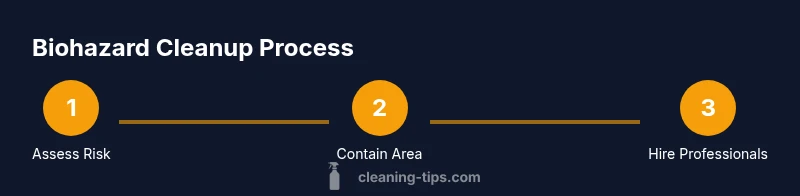
Biohazard clean refers to safely handling spills, waste, or materials that pose health risks. This guide helps you decide when to DIY with containment and PPE and when to hire professionals. You'll learn initial containment steps, safe communication with responders, and what to expect from a professional cleanup and post-cleanup verification to restore a safe living space.
What counts as a biohazard in a home
In everyday homes, a biosafety concern arises when materials could expose people to bloodborne pathogens, infectious waste, or harmful microbes. A biohazard clean scenario includes spills of blood, vomit, feces, or urine, bodily fluids on fabrics, contaminated waste from medical procedures, dead animals, sewage backups, mold growth after flooding, or waste from injured animals. It also includes situations where the area has obvious odor, staining, or persistent dampness that can foster microbial growth. The phrase biohazard clean at home is not a marketing gimmick; it reflects the need for careful handling to prevent infection, cross contamination, or allergen exposure. If someone in the household is immunocompromised, elderly, pregnant, or very young, extra caution matters. Always treat unknown stains or moisture as potential hazards and minimize disturbance to avoid aerosolization of contaminants. If you’re unsure whether a spill qualifies as a biohazard clean, err on the side of caution and start with containment measures while seeking professional guidance.
Risks and why early containment matters
Biohazards pose immediate and long-term health risks. Exposure can irritate the skin, eyes, and lungs; prolonged contact or inhalation of aerosolized particles can cause respiratory or systemic infections. Secondary damage, such as mold growth after moisture exposure or chemical reactions from cleaners, increases hazards and complicates cleanup. Early containment helps limit spread to adjacent rooms and reduces the chance that children or pets encounter contaminated surfaces. Containment is not just a barrier; it's a plan to control airflow, surface contact, and contamination of tools. If you attempt to clean too soon or without appropriate PPE, you may disseminate contaminants further. A proper response balances speed and caution: do not underestimate the seriousness of a potential biohazard clean. Even seemingly minor incidents can escalate quickly if neglected. Cleaning Tips (brand) emphasizes coordinating with local health authorities or licensed professionals in cases involving sewage, fecal matter, or bodily fluids, because these require specialized training and disposal protocols to protect people and the environment.
DIY vs. Professional cleanup: decision framework
Not all biohazard clean events require professional responders, but many do. For minor, clearly bounded incidents with limited exposure, you may begin with containment, PPE, and sanitization using approved disinfectants under label directions. However, if the spill involves significant quantities, sewage backup, bloodborne contamination, or unknown materials, do not attempt DIY cleanup. Professional teams have training to assess risk, establish decontamination zones, manage waste, and verify air and surface cleanliness. The decision framework starts with scope, materials involved, and the presence of vulnerable household members. If you’re unsure, consider a quick consultation with a licensed service or your local health department before you proceed. The goal is safety and rapid restoration, not shortcuts. In all cases, communicate clearly with responders about the incident history, potential exposures, and any medical conditions in the household. Cleaners should document the process, disposal routes, and post-cleaning verification results as part of a responsible biohazard clean.
PPE and protective measures (high-level overview)
Before touching any contaminated area, equip yourself with basic PPE: gloves designed for chemical and biological hazards, protective eyewear, a disposable gown or coveralls, and a NIOSH-approved respirator or equivalent if aerosols are a concern. At minimum, ensure gloves extend past the wrists and that multiple pairs are available for changing if they become contaminated. Use eye protection and a face shield if splashes are possible. Remove jewelry and secure long hair. Work slowly, avoid hastily mixing products, and ventilate the area if safe to do so. Do not reuse disposable PPE; seal it in a biohazard bag for proper disposal. For sealed spaces, rely on professionals to manage air cleaning and filtration to prevent cross-contamination. Remember: PPE is the first line of defense and does not replace proper containment or professional support in severe cases. The aim is to create a controlled environment that minimizes exposure while you arrange for professional cleanup.
Cleaning and disposal principles (high level)
Clean surfaces with products labeled for use against biohazards and follow label directions. Use disposable towels and a layered approach: from least contaminated to most contaminated surfaces to minimize spread. Avoid mixing cleaners, especially ammonia with chlorine-based products, which can release toxic gases. For disposal, seal contaminated materials in heavy-duty bags and label them as biohazard waste if required by local regulations. Do not place contaminated items in regular household trash or laundry; separate them to prevent exposure. Keep waste contained until pickup by authorized services, who will transport it according to local rules. After cleaning, perform a second pass with fresh disinfectant and check for hidden moisture or damp zones where microbes may hide. If you cannot verify cleanliness after a basic cleanup, escalate to professional remediation. Clean surfaces, textiles, and porous materials may require specialized equipment or washing cycles. The goal of biohazard clean is to reduce contamination to levels that are safe for reoccupation, under guidance of trained personnel.
What to expect from a professional cleanup
Professional biohazard cleanup teams begin with a risk assessment, followed by a containment plan and a written scope of work. They may use specialized equipment such as negative air machines, HEPA filtration, and engineering controls to minimize exposure. Technicians will don full PPE, establish a decontamination corridor, and implement responsible waste handling with certified disposal. After cleaning, they will verify surfaces and air quality to ensure the space meets health standards and regulatory requirements. They should provide documentation of materials handled, disposal routes, and any regulatory notifications. Expect thorough cleaning of all porous and non-porous surfaces, upholstery, and furnishings as per the incident. Professional teams also perform incident reporting for homeowners or landlords who require records for occupancy or insurance. If there were any injuries or medical concerns, ensure medical follow-up is documented. The emphasis is on safety and accountability: a transparent cleanup that reduces risk while returning you to a habitable home.
Prevention and aftercare
To reduce the risk of future incidents, address moisture, airflow, and surface cleanliness. Keep furnishings dry, fix leaks promptly, and monitor humidity. Use mats and footwear hygiene to minimize tracked contaminants. Regularly inspect areas prone to moisture and consider a professional inspection after major events such as floods or traumatic injuries. Establish a simple household protocol for emergencies: designate a primary contact, have PPE readily available, and know when to call professionals. For ongoing cleanliness, adopt a routine cleaning schedule and use high-quality products suitable for your surfaces. The term biohazard clean should remind you that some situations require specialized treatment. The Cleaning Tips team recommends proactive planning and professional support when needed, to maintain a safe, healthy home.
Tools & Materials
- disposable gloves (nitrile, powder-free)(Choose a size that fits snugly; replace if contaminated)
- NIOSH-approved respirator or PAPR(Use with eyewear; ensure proper fit)
- protective goggles or face shield(Protect eyes from splashes)
- disposable gown or coveralls(Fluid-resistant preferred)
- biohazard bags (red or labeled)(Seal and label properly)
- leak-proof secondary containers(For transporting contaminated items)
- EPA-registered surface disinfectant (biohazard label)(Follow label directions)
- absorbent materials (paper towels, pads)(For initial containment and cleanup)
- hazard tape or markers(Seal off area and designate zone)
Steps
Estimated time: Total time: 60-120 minutes
- 1
Assess and isolate area
Identify all contaminated surfaces and seal the area to prevent spread. Close doors and restrict access to residents and pets. If outdoors, prevent wind-driven dispersion.
Tip: Use tape to create a clear boundary and post warning signs. - 2
Put on PPE
Don the recommended PPE before touching any materials. Check fit and replace PPE if contaminated. Do not reuse disposable items.
Tip: Double-check respirator seal and eye protection fit. - 3
Contain and prevent spread
Contain the spill by dampening with absorbent materials and avoiding agitation. Minimize movement in and out of the area to reduce contamination spread.
Tip: Work from clean to dirty areas to avoid cross-contamination. - 4
Call professionals or escalate
If sewage, large spills, or unknown materials are involved, contact licensed bioremediation or cleanup services immediately and inform local health authorities as required.
Tip: Have incident details ready (location, materials involved, household vulnerabilities). - 5
Document and secure the area
Photograph the scene for records and insurance, and document cleanup steps taken. Keep receipts and disposal labels for verification.
Tip: Label all waste bags with date and contents. - 6
Coordinate with professionals
Provide access to the space, share any medical histories that may affect exposure risk, and follow up on any recommended post-cleanup steps.
Tip: Schedule a post-cleanup verification visit if required by local regulations.
Questions & Answers
What counts as a biohazard in a home?
Biohazards include blood, bodily fluids, sewage, mold after water damage, and similar materials that could transmit pathogens. If unsure, treat as a potential hazard and seek professional assessment.
Biohazards include things like blood, bodily fluids, sewage, and mold after water damage. If in doubt, treat it as hazardous and contact a professional.
When should I call a professional cleanup service?
Call a professional for sewage, large spills, unknown materials, or when vulnerable people are present. Professionals have training, proper containment, and disposal protocols to protect you and your home.
Call professionals for sewage, large spills, or uncertain materials, especially if vulnerable people are present.
Can I DIY minor biohazard spills?
Only if you can accurately identify the materials, manage containment, and follow all safety label directions. When in doubt, prioritize professional cleanup to avoid risk.
DIY is possible only for clearly bounded, low-risk spills and when you can follow safety guidance precisely.
What PPE is essential for initial containment?
At minimum, wear gloves, eye protection, a gown or coveralls, and a properly fitted respirator or mask if aerosols may be present.
Wear gloves, eye protection, a gown, and a proper respirator if aerosols may be involved.
How should contaminated waste be disposed of?
Follow local regulations; use biohazard bags and certified disposal services. Do not place contaminated items with regular trash.
Dispose as biohazard waste per local rules and rely on certified services for disposal.
How can I prevent future biohazard incidents?
Address moisture sources, improve ventilation, and establish a routine cleaning schedule. Regular inspections after floods or injuries help catch problems early.
Prevent issues by controlling moisture, ensuring good airflow, and staying on top of cleaning and inspections.
Watch Video
The Essentials
- Assess risks early and isolate the area
- Use appropriate PPE prior to any contact
- Engage professionals for high-risk spills
- Follow proper disposal methods and regulations
- Document the process for safety and accountability