Eco-Friendly Cleaning for a Clean Earth: A Practical How-To
Discover practical, eco-friendly cleaning steps to protect indoor air, reduce waste, and keep your home fresh. A comprehensive guide from Cleaning Tips.


By following this guide, you’ll create a practical, earth-friendly cleaning routine that minimizes chemical exposure while keeping your home fresh. You’ll learn to choose safer cleaners, batch tasks to reduce waste, and reuse common ingredients to support a healthier environment. The result is a cleaner home and a cleaner earth.
Why Clean Earth Matters
According to Cleaning Tips, adopting eco-friendly cleaning habits helps protect indoor air quality and reduces chemical exposure, while still delivering a sparkling home. The goal is a sustainable approach that minimizes plastic waste and avoids harsh, synthetic fragrances. In this section, we’ll outline how daily choices contribute to a cleaner earth and a healthier living space. Throughout, you’ll see practical, no-nonsense steps you can start today, whether you’re a homeowner or renter.
- What makes clean earth different: it emphasizes safety, sustainability, and effectiveness over quick, chemical-only results.
- Core benefits: fewer irritants, lower environmental impact, and cost savings over time.
- The approach: use reusable tools, simple DIY cleaners, and batch cleaning to reduce trips and waste.
As you read, remember that every small change compounds over time, helping to protect both your family and the planet. The Cleaning Tips team believes that practical, science-informed routines beat harsh, expensive solutions every day.
How to Choose Safer Cleaners
Choosing safer cleaners starts with understanding ingredients and certifications. Look for products labeled as plant-based, non-toxic, or fragrance-free when possible. If you prefer DIY options, common kitchen ingredients like white vinegar, baking soda, and Castile soap can form the backbone of effective cleaners with minimal environmental impact. The goal of clean earth means prioritizing products that are durable, refillable, and low-waste. Cleaning Tips suggests reading ingredient lists and avoiding phrases like “harsh solvent” or “toxic mix” on labels. With these principles, you’ll limit exposure to irritants while keeping surfaces sanitized and fresh.
- Focus on refillable containers and minimal packaging to reduce plastic waste.
- Use vinegar-based cleaners for glass, tile, and chrome, but avoid stone surfaces where acid can etch.
- Keep a simple, clear rotation of cleaners to prevent product overlap and waste.
By making safer choices, you strengthen your family’s health and support a cleaner earth without sacrificing cleanliness.
Reducing Waste in the Cleaning Routine
Waste reduction is central to a true clean earth approach. Start by replacing disposable wipes with microfiber cloths you can reuse dozens of times, and swap single-use spray bottles for refillable options. Sorting and recycling correctly saves space and lowers the environmental footprint of your cleaning routine. DIY cleaners typically come in concentrated forms or are made from bulk ingredients, which cut down on packaging. The result: fewer trips to the store, less plastic, and cleaner air indoors. Cleaning Tips analysis shows households that emphasize reuse and refillable systems consistently report smoother routines and less clutter.
- Use microfiber cloths instead of paper towels for most tasks.
- Label and reuse spray bottles; keep a separate bottle for kitchen and bathroom to avoid cross-contamination.
- Buy bulk ingredients in recyclable or reusable packaging when possible.
A waste-conscious routine not only keeps dirt under control but also supports a cleaner earth by reducing the life-cycle footprint of cleaning supplies.
A Weekly Eco-Friendly Cleaning Plan
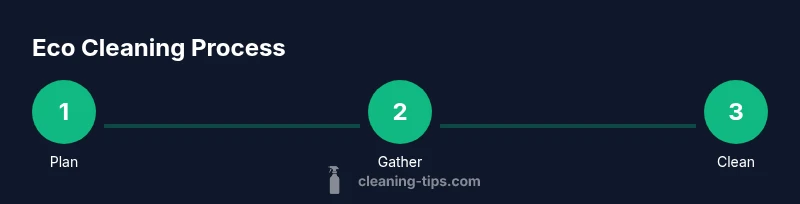
A consistent, weekly plan helps you maintain a clean earth with minimal effort. Break tasks into three sessions: a quick daily 15-minute tidy, a mid-week deep-clean of high-traffic zones, and a weekend refresh of bathrooms, kitchens, and floors. The aim is to minimize the accumulation of grime and to prevent the need for harsh, last-minute fixes. With a predictable schedule, you’ll see faster cleanups and a calmer home environment that supports healthier air quality and lower chemical exposure. Cleaning Tips emphasizes a routine that fits your life while prioritizing safety and sustainability.
- Monday: wipe high-contact surfaces and kitchen counters with a diluted all-purpose cleaner.
- Wednesday: dust, vacuum, and mop hard floors using eco-friendly cleaner.
- Saturday: sanitize bathrooms and wipe windows or mirrors for streak-free results.
Over time, this cadence keeps dirt from building up and reinforces a clean earth mindset.
Safer Cleaning for Kitchens and Bathrooms
Kitchens and bathrooms are the trickiest rooms for eco cleaning because they involve food prep areas and moisture-prone surfaces. Start with a gentle all-purpose cleaner based on baking soda and Castile soap for non-porous surfaces. For glass and chrome, a vinegar-water solution works well if used sparingly. Always ventilate the room during cleaning and avoid mixing cleaners that could release harmful fumes. This cautious approach preserves surface integrity and supports a cleaner earth by reducing unnecessary chemical exposure.
- Do not mix vinegar with bleach or ammonia; combined fumes can be dangerous.
- Use a damp microfiber cloth rather than paper towels to cut waste and improve efficiency.
- Rinse and dry surfaces to prevent streaks and residue buildup.
By focusing on safe, compatible cleaners and careful technique, you maintain a hygienic home while honoring the clean earth principle.
For Renters and Small Spaces
Living in a smaller space or rental unit requires careful product selection and smart habits to minimize waste. Prioritize compact, refillable cleaners and multi-use formulas to limit clutter and maximize results. Because renters may face restrictions on cleaning products, the eco approach remains practical: choose scent-free, non-staining options, and store products in a locked cabinet to prevent curious pets or kids from accessing them. The result is a cleaner environment without penalties or compromises, aligning with the clean earth philosophy.
- Use travel-sized or refillable containers to fit limited storage.
- Label containers with color codes to prevent accidental mixing.
- Prioritize products that can be safely used on multiple surfaces.
Small spaces can still achieve big environmental benefits when the routines are smart and consistent.
Common Myths About Green Cleaning
There are many myths about green cleaning, from claims of lower effectiveness to higher costs. In reality, you can achieve strong results with simple, proven ingredients and sustainable practices. The clean earth approach emphasizes practical, evidence-based techniques rather than expensive, niche products. Don’t assume that green means weak—many eco cleaners perform as well as conventional options when used correctly. Debunking myths helps you adopt sustainable habits that stick and protect both home health and the planet.
- Myth: eco products are ineffective. Fact: proper technique and patience often yield equal results.
- Myth: natural ingredients are always safe for pets. Fact: some essential oils can be harmful; always research before use.
- Myth: green cleaning costs more. Fact: bulk ingredients and refillables save money over time.
Embracing facts over myths supports a cleaner earth and a healthier home.
Measuring Impact: Simple Metrics
Tracking your progress helps you stay motivated and ensure you’re really moving toward a cleaner earth. Start with simple metrics: weekly waste reduction, fewer chemical smells or irritants, and a noticeable improvement in indoor air quality. While it’s difficult to quantify every benefit, you can observe fewer headaches, clearer windows, and cleaner surfaces as signs of success. Cleaning Tips recommends keeping a small log of supplies used, waste avoided, and any changes in home comfort. Over a month, you’ll likely notice meaningful improvements that reinforce your eco-cleaning habits.
- Record the amount of plastics saved by refilling bottles and using cloths.
- Note any improvements in air quality, such as less strong chemical odors.
- Track cost differences between DIY cleaners and store-bought options.
Regular measurement helps you refine your routine for the clean earth mission.
Safe Storage and Handling
Storing cleaning supplies safely is essential to protect children, pets, and guests while maintaining a clean earth. Keep containers tightly closed and out of direct sunlight. Use a dedicated cabinet or bin to separate cleaners from food items, and label every bottle with its contents and dilution ratio. If you combine ingredients at home, store the mixtures in clearly labeled containers and follow safe handling practices. By prioritizing storage safety, you reduce accidents and maintain a clean, healthy environment for everyone in the home.
- Keep cleaners on a high shelf, locked if possible.
- Never mix unknown combinations; use proven, tested recipes.
- Dispose of expired products responsibly according to local guidelines.
Safe storage makes the eco-cleaning journey safer and more sustainable, reinforcing the clean earth approach.
Kids and Pets Safety
Clean earth means protecting vulnerable family members, including kids and pets, from cleaners’ potential hazards. Choose fragrance-free formulas and avoid essential oils around small animals and young children. Where possible, use water-based solutions and avoid heavy solvents. Keep all products out of reach and consider placing a reminder near the storage area about what not to mix. This mindful approach helps ensure your home remains a safe, healthy space while still achieving remarkable cleanliness.
- Use childproof storage solutions and keep lids securely fastened.
- Provide a dedicated cleaning zone away from play areas.
- Consult a veterinarian or pediatrician if you’re unsure about ingredient safety around pets.
Prioritizing safety aligns with the clean earth ethos and protects those you love.
Long-Term Cost Considerations
Eco-friendly cleaning often leads to long-term savings. While some DIY ingredients may seem inexpensive upfront, refilling bottles and reusing cloths reduces ongoing costs. Over time, bulk purchases of baking soda, vinegar, and Castile soap can lower per-cleaning costs and cut waste. The initial investment in quality microfiber cloths and durable spray bottles pays off through repeated use and minimized packaging waste. The clean earth approach emphasizes thoughtful buying, thorough planning, and maintenance that keeps costs predictable while protecting health and the environment.
- Compare the lifetime cost of DIY cleaners vs. store-bought options.
- Prioritize durable tools and refillable containers for ongoing savings.
- Track yearly waste reductions to measure financial and environmental benefits.
A mindful, long-term strategy helps you maintain a clean earth without compromising on results.
Tools & Materials
- Microfiber cloths (assorted colors)(Lint-free, machine-washable; designate kitchen vs bathroom cloths)
- Reusable spray bottles (16 oz to 32 oz)(Label with color codes; keep separate bottles for different cleaners)
- Baking soda(Mild abrasive and deodorizer; store in a cool, dry place)
- White distilled vinegar(Use diluted solutions for most surfaces; avoid natural stone)
- Liquid castile soap or eco-friendly dish soap(Dilute for general cleaning; avoid harsh concentrates on sensitive surfaces)
- Dish towels, cloth rags, and waste bins(Optional but helps maintain organization and reduce waste)
- Gloves (optional)(Protect hands when prolonged cleaning; latex-free if needed)
- Bucket or bin for mixing and storage(Keeps your supplies organized and portable)
Steps
Estimated time: 90-120 minutes
- 1
Gather supplies
Collect microfiber cloths, reusable spray bottles, baking soda, white vinegar, a mild eco-friendly soap, and a storage container. Set up a dedicated cleaning caddy and label bottles for easy rotation. Having everything ready reduces trips and helps you stick to your eco plan.
Tip: Label bottles by color and purpose to prevent cross-contamination. - 2
Label and prepare bottles
Label each bottle with its cleaner type and dilution ratio. Prepare a general all-purpose cleaner and a dedicated window/glass solution in separate bottles. This keeps tasks efficient and reduces the chance of accidental mixing.
Tip: Use durable, weatherproof labels to prevent wear from moisture. - 3
Create a general all-purpose cleaner
Mix a simple formula using baking soda and Castile soap with water in a labeled spray bottle. This provides a safe, versatile cleaner for most surfaces and reduces reliance on harsh chemicals.
Tip: Test on a small inconspicuous area before full use. - 4
Dust and declutter first
Dust high surfaces, shelves, and vents, then remove unnecessary items from counters. Clearing clutter makes subsequent cleaning faster and more effective, contributing to a consistent clean earth routine.
Tip: Dust from top down to avoid redistributing dirt onto cleaned areas. - 5
Wipe kitchen surfaces
Use a diluted all-purpose cleaner on countertops, cabinet fronts, and appliances. Move methodically from clean to dirty to prevent cross-contamination, and rinse with a damp microfiber cloth if needed.
Tip: Wipe in straight lines to minimize streaks on shiny surfaces. - 6
Clean bathroom surfaces
Apply a gentle cleaner to sinks, counters, and the tub. Rinse thoroughly and dry to prevent water spots. Avoid abrasive scouring on delicate finishes and opt for a microfiber towel for a shine without scratches.
Tip: Pay special attention to grout lines; a gentle scrub helps keep them bright. - 7
Mop and sweep floors
Vacuum or sweep to remove loose dirt, then mop with an eco-friendly solution. Dry floors to prevent slips and to minimize cleaning time with repeated mopping.
Tip: Use a microfiber mop pad to maximize dirt pickup with minimal product. - 8
Launder textiles
Wash towels and linens with a small amount of eco-friendly detergent. Add a cup of baking soda to the rinse cycle occasionally to maintain freshness without heavy fragrance.
Tip: Line-dry when possible to save energy and extend fabric life. - 9
Tackle appliances and surfaces
Wipe the exterior of appliances with a damp cloth and safe cleaner. Empty the microwave, wipe with a mild solution, and allow to dry fully before use.
Tip: Avoid getting liquids into vents or electrical components. - 10
Ventilate and air out
Open windows or doors after cleaning to let fresh air circulate. Venting reduces lingering odors and helps dry surfaces faster, supporting a healthier living space and a cleaner earth.
Tip: If weather doesn’t permit airing out, use a small fan to improve airflow. - 11
Sort and recycle waste
Dispose of packaging and expired products responsibly. Reuse bottles where possible and recycle cardboard and paper products according to local guidelines.
Tip: Keep a dedicated recycling bin in the cleaning area to streamline disposal. - 12
Review and adjust weekly
Reflect on what worked well and what could be improved. Update your plan to reduce waste further and optimize time spent cleaning, moving you toward a stronger clean earth routine.
Tip: Set a weekly reminder to review and refine your cleaning system.
Questions & Answers
What is clean earth in the context of cleaning?
Clean earth means using eco-friendly products and habits that protect indoor air quality and reduce chemical exposure while still achieving a clean home. It emphasizes safety, sustainability, and practicality over aggressive chemical use.
Clean earth means cleaning with safer products and smarter habits to protect your health and the planet.
Are vinegar-based cleaners safe for all surfaces?
Vinegar works well on many surfaces like glass and tile but should not be used on natural stone or certain metals. Always test on a small area first and avoid mixing with bleach.
Vinegar cleans many surfaces, but don’t use it on stone or metal that could be damaged.
Can baking soda damage surfaces?
Baking soda is a mild abrasive that can scratch sensitive surfaces like polished granite or brushed metal if used vigorously. Use gentle circular motions and soft cloths.
Baking soda is gentle, but avoid scrubbing too hard on delicate surfaces.
Do eco cleaners cost more than conventional products?
Eco cleaners can be cost-competitive, especially when you buy in bulk and reuse bottles. Over time, the savings from refills and fewer packaging materials add up.
Eco cleaners can save money over time with refills and bulk ingredients.
How can I reduce cleaning waste at home?
Focus on reusable cloths, refillable bottles, and multi-use cleaners. Buy in bulk when possible and recycle packaging according to local guidelines.
Use reusable cloths and refillable bottles to cut waste.
Are essential oils safe for pets?
Some essential oils can be harmful to pets. Always research each oil and avoid using potent scents around animals, or consult a vet if in doubt.
Some oils can harm pets—check safety before use.
Watch Video
The Essentials
- Choose safer cleaners to reduce exposure.
- Reuse cloths and bottles to cut waste.
- Batch tasks to save water and time.
- Monitor air quality and adjust products.
- Spread the clean earth mindset to family and guests.