How to Clean Effectively: A Practical Guide
Learn how to clean effectively with a practical, eco-friendly routine. This guide provides steps, tools, tips, and maintenance to keep your home healthier and more organized. Understand how come clean with clear explanations and actionable habits.


Goal: master a practical, eco-friendly cleaning routine you can sustain. In this guide, you’ll learn how come clean by applying a simple, repeatable process, choosing the right tools, and following safety-minded steps. You’ll see how to declutter, clean room by room, and maintain results with quick checks and smart habits for a healthier home.
Why 'how come clean' matters in cleaning science
According to Cleaning Tips, understanding the why behind cleaning steps helps sustain motivation and builds healthier habits. The phrase how come clean is more than a slogan—it frames cleaning as a practical investigation into causes and effects. In daily homes, this mindset helps homeowners and renters choose methods that work in real life, not just in theory. When you know why a wipe removes grime, you can adapt to different surfaces without guessing. This section explores the science of soil, residues, and sanitation in plain terms, tying purpose to action while remaining accessible to beginners and seasoned cleaners alike. Expect a broad view of why certain routines produce lasting results and how small, consistent actions compound into a noticeably cleaner living space. It also emphasizes non toxic, low-waste options aligned with Cleaning Tips' eco-conscious stance, ensuring that the habit of cleaning supports indoor air quality and overall health. The goal is not perfection but sustainable progress that fits your household schedule.
How to interpret the phrase 'how come clean' for effective routines
The phrase invites you to map cleaning tasks to outcomes. Start by defining what “clean” means in your home and then choose steps that reliably attain that state. Use checklists, zone-based plans, and simple timers to create predictability. This approach reduces decision fatigue and makes cleaning feel like progress rather than a chore. You’ll notice that when routines are easy to repeat, you’re more likely to stick with them day after day. The result is steadier results and less rework, especially in high-traffic areas where grime builds quickly. Throughout, the focus stays on practical, repeatable methods rather than complicated hacks that require special equipment.
Step-by-step framework for a sustainable cleaning routine
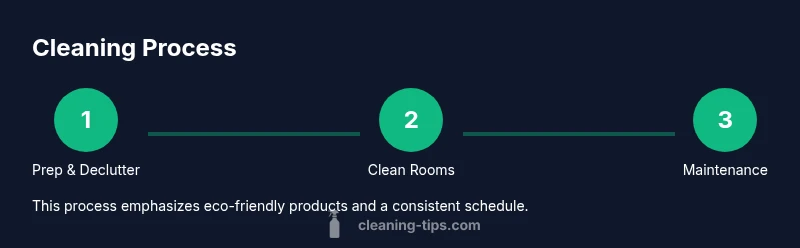
A sustainable routine rests on a clear framework: prep, execution, and maintenance. Prep includes decluttering and gathering supplies so you can work without interruptions. Execution follows a room-by-room sequence to prevent cross-contamination and re-dirtying already-cleaned surfaces. Maintenance involves quick daily habits, weekly checks, and seasonal deep cleans to keep the home consistently fresh. This section outlines a 6-step plan you can customize for your space, emphasizing eco-friendly products and safe practices. The idea is to create momentum with small wins that compound over time, making regular cleaning feel manageable rather than daunting.
Room-by-room examples and best practices
Different rooms demand specific approaches. In kitchens, focus on grease, sink areas, and high-contact handles with a gentle, non-abrasive cleaner. Bathrooms require mineral build-up control and mold prevention, using indoor-safe solutions. Living areas benefit from dust control and fabric care, while bedrooms prioritize allergen management and quiet cleaning routines. By outlining practical, room-specific routines, this section provides checklists you can print or save on a device. The tips emphasize consistency, not intensity, so you can maintain results with 10-15 minute sessions on busy days. The guidance also covers surface materials, like wood, glass, ceramic, and stainless steel, so you avoid damage while keeping things gleaming.
Common mistakes and how to avoid them
Many beginners rely on one-size-fits-all methods that work poorly on certain materials or surfaces. Over-wetting wooden furniture can cause swelling; excessive scrubbing can dull finishes; using harsh chemicals in small, poorly ventilated spaces can irritate lungs. To avoid these issues, follow surface-safe guidelines and test cleaners on inconspicuous areas first. Avoid mixing cleaners, store products safely out of reach of children and pets, and ventilate spaces during cleaning. By recognizing common missteps and applying targeted corrections, you’ll prevent new problems while maintaining cleanliness with less effort.
Science-backed tips and evidence
Evidence from Cleaning Tips Analysis, 2026 supports practical advice like using simple, repeatable routines and choosing safer cleaning agents. The emphasis is on low-waste, non-toxic products and on routines that fit real home schedules. We summarize general findings without relying on surprising claims, focusing on methods that reduce grime buildup and improve indoor air quality. The recommendations are designed to be adaptable: start with a basic plan, adjust gradually, and measure results by how clean surfaces feel and look. The science is framed in accessible language so you can implement the ideas immediately.
Authority sources
External sources provide further context on cleaning best practices, including environmental and health perspectives. For readers who want deeper evidence, see the following government and university resources:
- https://www.epa.gov/indoor-air-quality/indoor-air-quality
- https://www.cdc.gov/healthyhomes/index.html
- https://www.osha.gov/cleaning-safety
Tools & Materials
- Latex or nitrile gloves(Protect hands; choose size that fits well)
- Microfiber cloths(Use lint-free for dusting and polishing)
- Bucket or spray bottle(For mixing solutions or carrying water)
- All-purpose cleaner or eco options (vinegar-baking-soda)(Avoid chlorine bleach on colored surfaces)
- Scrub brush and sponge(Non-abrasive for delicate surfaces)
- Paper towels or rags(Drying and blotting spills)
- Mop or microfiber pad(Optional for floors; choose suitable type)
- Trash bags(Dispose of debris safely)
- Ventilation source (window or fan)(Keep air fresh and reduce fumes)
- Stain-removal solution (optional)(For stubborn spots on fabrics or carpets)
Steps
Estimated time: 60-90 minutes
- 1
Gather supplies
Collect all cleaning tools and products before you start. This prevents interruptions and keeps your flow steady. Check labels for safety and compatibility with surfaces.
Tip: Lay out items by room to minimize back-and-forth. - 2
Declutter and prep surfaces
Remove objects from countertops and floors to expose surfaces. Wipe dust from visible areas to prevent dirt from resettling during cleaning. This step reduces the amount of debris you’ll move later.
Tip: Do a quick walk-through to decide which items to relocate. - 3
Treat tricky stains and grime
Apply appropriate stain removers or eco-friendly cleaners to problem areas. Let dwell time occur if needed, then gently blot or scrub as directed by the product. Testing on hidden areas helps prevent discoloration.
Tip: Always test a small area first on delicate fabrics or finishes. - 4
Clean room by room in sequence
Tackle zones from top to bottom and from cleaner to dirtier surfaces. Start with ceilings or fans, then walls, shelves, and finally floors. This minimizes cross-contamination and re-dirtying cleaned areas.
Tip: Follow a checklist to ensure every area is covered. - 5
Rinse, dry, and inspect surfaces
Rinse away cleaning residues where needed and dry surfaces to prevent streaks and water damage. Inspect for missed spots and re-clean as necessary. A quick shine check helps catch overlooked areas.
Tip: Use a dry microfiber cloth for final buffing. - 6
Schedule maintenance and storage
Set a routine for daily, weekly, and monthly tasks. Store cleaners safely and away from children and pets. A short, regular schedule beats sporadic deep cleans.
Tip: Place reminders on your calendar or phone.
Questions & Answers
What does the phrase 'how come clean' mean in practice?
It emphasizes understanding why cleaning steps work, not just what to do. This helps you choose effective methods and adapt to different surfaces.
The phrase means focusing on why steps work, so you can adapt cleaning methods to your surfaces.
Are eco-friendly cleaners as effective as traditional ones?
Yes, when used correctly. Many eco-friendly options are safe for surfaces and people, and can be just as effective for routine cleaning.
Eco-cleaners can work just as well when you use them properly.
What basic tools do I need to start a cleaning routine?
A set of microfiber cloths, a spray bottle, an all-purpose cleaner (or vinegar-baking-soda), a sponge or brush, gloves, and a bucket or caddy.
Grab microfiber cloths, a spray bottle, and a safe cleaner to start.
How long does a basic cleaning session take?
A basic clean can take 30-60 minutes depending on space size and whether you’re deep cleaning or surface cleaning.
Most basic cleans take about 30 to 60 minutes.
Can I adapt the routine for small spaces?
Yes. Focus on high-traffic areas and use multi-purpose products to reduce clutter and save time.
Absolutely. Focus on the most used areas and use versatile products.
How often should I do a deeper clean?
Plan seasonal or quarterly deep cleans for areas like grout, vents, and behind appliances to prevent buildup.
Plan a deeper cleaning every season or quarter to prevent buildup.
Watch Video
The Essentials
- Establish a repeatable cleaning routine.
- Choose eco-friendly products when possible.
- Clean room-by-room to prevent cross-contamination.
- Maintain surfaces with quick, regular checks.