Clean for Passion for Now: A Practical How-To Guide
Discover how to ignite motivation for cleaning with focused, time-boxed sessions. A practical, step-by-step approach using tools, playlists, and habits to make cleaning enjoyable today.


Goal: clean with enthusiasm right now by turning cleaning into a brief, motivating routine. Start by defining the space to tackle, set a strict 20-minute timebox, gather essential tools, and prepare a feel-good playlist. Begin with the easiest task to gain momentum, celebrate small wins, and schedule the next session. The approach emphasizes consistent progress over perfection and builds lasting habit.
Why Motivation Matters
When you feel like cleaning is a chore, you’re not alone. Motivation is the invisible ingredient that turns a cautious scrub into a satisfying ritual. The Cleaning Tips team has found that momentum in cleaning often comes from small, achievable wins rather than heroic, hours-long sessions. By reframing cleaning as a series of short, intentional actions, you reduce resistance and create a positive feedback loop: as you complete a sprint, you feel ready for the next one.
Your environment plays a key role. Clutter creates decision fatigue, so starting with a clearly defined target reduces cognitive load. The moment you commit to a sprint—say, a 20-minute push in the kitchen—your brain locks onto the task, and attention follows. If you pair the sprint with a pleasant cue (music, scent, or a favorite podcast), the activity becomes associated with a good mood. This association makes you more likely to repeat it. In fact, according to Cleaning Tips, consistent, small-cleaning sessions are more sustainable than sporadic, marathon cleans. This is the core principle behind clean for passion for now: you lean into momentum, not perfection. The statements below set you up for success and explain how to translate that momentum into real results.
Define the Cleaning Sprint
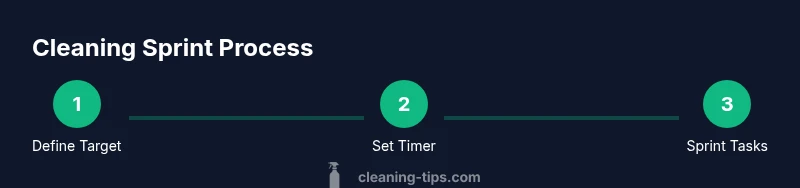
A cleaning sprint is a short, focused burst of cleaning with a clear boundary and a specific goal. Begin by selecting one area that will deliver a visible win in a single session, such as clearing a counter, wiping a sink, or vacuuming a living room. Then, set a timer for a fixed duration—20 minutes is a sweet spot for most spaces. The timer creates a sense of urgency, which helps you bypass perfectionism and start quickly. When you choose the sprint target, write it down or say it out loud to lock your intention. If you can’t decide between two tasks, pick the one that would reduce the most clutter or friction in your daily routine. After the sprint, assess what you accomplished and decide whether to extend the session or schedule a new sprint for a different area. This approach keeps momentum high and avoids burnout.
Build Your Ideal Cleaning Playlist
Music can modulate energy levels and mood, making cleaning feel less like work and more like a routine you enjoy. Create a lightweight playlist with 8-12 upbeat tracks that you know boost your energy without being distracting. Place the device on a shelf or stand where you can reach it without moving from task to task. If you prefer podcasts, choose ones with consistent pacing and short episodes. The goal is to pair the rhythm of the music with the rhythm of your movements, so your body forms a natural association between cleaning and positive feeling. If you try a new playlist and don’t feel motivated, swap it out—your brain responds to novelty just enough to re-engage.
Gather Tools and Prep the Space
Before you start, gather a minimal set of tools so nothing interrupts your flow. A well-prepared kit reduces friction and time wasted searching for supplies. Lay out microfiber cloths, a spray bottle with an all-purpose cleaner, a bucket, a vacuum or broom, trash bags, gloves, and a spare sponge within arm’s reach. If you’re cleaning a kitchen or bathroom, include a disinfectant for high-touch surfaces and a scrub brush for stubborn grime. The goal is to have everything you need in one place, so you can begin immediately when the timer starts. A quick declutter right at the beginning lowers cognitive load and helps you see the result of your sprint more clearly.
The 20-Minute Protocol: Step-by-Step Within a Sprint
During each sprint, follow a consistent sequence to maximize efficiency. Start by sweeping away obvious clutter, then tackle surfaces from top to bottom, and save floors for the end. Wipe high surfaces first to prevent re-soiling lower areas, then move to mid-level shelves and countertops. Finally, vacuum or sweep and mop the floor. Use a microfiber cloth with a small amount of cleaner on a light spray to avoid streaks. Keep a visual checklist on your phone or a sticky note to track progress. If you arrive at a stubborn spot, spend a few extra seconds on it—if it doesn’t improve in that time, make a note to address it in the next sprint. After 20 minutes, stop, admire the progress, and set up the next sprint.
Tackling a Real World Room: Kitchen, Bathroom, or Living Space
Each room has unique challenges, but the sprint mindset helps you approach them with confidence. For a kitchen, start with clearing counters, then wipe appliances and the sink, and finish with the floor. For a bathroom, prioritize the toilet, sink, mirror, and then sweep and mop. In a living space, focus on surfaces, HVAC vents, and floor care. Visual cues like a bright, uncluttered counter help your brain register progress, reinforcing the habit. The key is consistency—do not stretch beyond the timer. If you finish early, you can add a small, extra task or simply enjoy the cleaner space for a moment before moving on.
Remember to reset the room by tidying tools and returning items to their places. This reduces friction for the next sprint and increases your overall sense of control.
Sustaining Momentum: Habit Loops and Rewards
Sustained motivation comes from habit loops: cue, routine, and reward. Establish a quick cue that signals to your brain that it’s time to clean—an alarm, a scented spray, or the first note of your playlist. The routine is the 20-minute sprint you’ve designed, and the reward can be a short break, a favorite beverage, or time spent enjoying a cleaned space. The Cleaning Tips team notes that reward-based loops are highly effective for forming long-term cleaning habits. Small, consistent wins trigger dopamine, encouraging repeat behavior. To cement the habit, schedule your next sprint immediately after the current one, with a clear target and a visible reward in mind. “Progress over perfection” becomes your operational motto, guiding you through busy weeks.
Handling Interruptions and Slumps
Interruptions happen. When a distraction appears during a sprint, acknowledge it briefly and decide whether you’ll pause the sprint or postpone the interruption. If possible, choose a micro-action related to your sprint to regain momentum—like putting away one item or wiping a single surface. If you’re feeling a slump, switch to a different room or pivot to a faster task that yields quick wins, such as dusting a shelf or wiping down a vanity. Avoid letting a lapse derail your plan; reset and re-enter the sprint mindset as soon as possible. Use a timer to reframe the next attempt as a 20-minute opportunity, not a long, burdensome task.
Before You Go: Quick Reset Tricks
End each session with a quick reset: return tools to their place, wipe down the spray bottle, and sweep the floor one final time. This simple habit leaves you with a sense of order and a clean slate for the next sprint. If a room isn’t fully clean, note what blocked progress and schedule a brief follow-up sprint to finish. The consistency of finishing even small tasks is what compounds over days and weeks to create lasting cleanliness. The Cleaning Tips team recommends keeping a visible sprint calendar and reviewing your completed sprints weekly to reinforce progress.
Tools & Materials
- Microfiber cloths(At least 3; lint-free and washable)
- Bucket(1-gallon or larger for damp wiping)
- All-purpose cleaner(Non-toxic if possible; keep away from children)
- Vinegar(Optional for natural deodorizing and mineral buildup)
- Baking soda(Mild abrasive for scrubbing and deodorizing)
- Gloves(Chemical resistant; protect hands during scrubbing)
- Trash bags(Varied sizes for quick decluttering)
- Duster(Extendable handle helps reach high corners)
- Sponge(Non-scratch for delicate surfaces)
- Mop(Microfiber recommended for efficient floor cleaning)
- Vacuum cleaner(With attachments for upholstery and corners)
- Paper towels(Resin-free preferred for safety and absorbency)
- Spray bottle(Fill with cleaner and water mix)
- Timer(Phone timer or dedicated timer to enforce 20-minute sprint)
Steps
Estimated time: Total time: 60-90 minutes
- 1
Identify the cleaning sprint target
Choose one space that will yield a clear, visible improvement in 20 minutes. Define the goal in a sentence and commit verbally or in writing to set accountability. This sharp focus reduces decision fatigue and gets you moving quickly.
Tip: Write the target on a sticky note and place it where you’ll see it during the sprint. - 2
Set the timer and start the sprint
Activate a 20-minute timer and begin immediately. Avoid checking messages or emails during the sprint to maintain momentum and prevent interruptions from derailing progress.
Tip: Put your phone on Do Not Disturb or use a dedicated timer app with no notifications. - 3
Gather tools and prep the space
Collect all essential tools and place them within arm’s reach before you start. This prevents back-and-forth trips that sap energy and time from the sprint.
Tip: Lay out tools on a tray or cloth so you can move in a continuous motion. - 4
Tidy clutter quickly to create momentum
First, remove obvious clutter and items out of place. This creates instant visual progress and makes subsequent cleaning more effective.
Tip: Use a laundry basket or box to sort items fast—keep, relocate, trash. - 5
Clean surfaces in organized order
Wipe from top to bottom and from clean to dirty zones. Use a microfiber cloth dampened with cleaner; avoid soaking surfaces to prevent streaks and damage.
Tip: Work in small sections and move methodically to avoid redoing areas. - 6
Vacuum or mop floors
Finish with floors once all surfaces are clean. Vacuum first to remove debris, then mop for a polished look. Overlap passes and tackle edges last for a thorough job.
Tip: Empty the vacuum bin if it’s full before you begin floor work. - 7
Reset the space and evaluate
Return items to their places, wipe any minor drips, and do a quick visual check. Decide whether to extend the sprint for a second round or schedule a new sprint later.
Tip: Take a deep breath and acknowledge progress before the next sprint. - 8
Plan the next sprint
Choose another area or room and repeat the sprint process. Recording what worked and what didn’t helps you optimize future sessions.
Tip: Update your sprint target list to build a clear cleaning plan for the week.
Questions & Answers
What is a cleaning sprint?
A cleaning sprint is a short, focused cleaning session, usually 15-20 minutes, targeting one specific area. It emphasizes momentum and habit formation.
A cleaning sprint is a short, focused cleaning session, typically 15 to 20 minutes.
How can I stay motivated to clean today?
Set a clear target, timebox the session, and reward yourself after finishing. A playlist and a clutter-free space help maintain momentum.
Set a clear target, timebox, and reward yourself after finishing.
What if I don’t finish within the time limit?
Carry over unfinished tasks to the next sprint or adjust the scope to fit the time. Keep it realistic and repeatable.
If time runs out, carry over or adjust scope for the next sprint.
What tools do I actually need for a sprint?
A basic kit includes microfiber cloths, a bucket, all-purpose cleaner, trash bags, gloves, and a vacuum or mop.
Use a basic kit of cleaning essentials.
How often should I run cleaning sprints?
Aim for 2-4 sprints per week, depending on space and schedule. Consistency beats long, rare cleans.
Aim for 2-4 sprints weekly.
Watch Video
The Essentials
- Start small and stay specific.
- Timebox sessions to boost focus.
- Pair cleaning with a mood-boosting cue.
- Celebrate small wins to build momentum.
- Plan the next sprint to sustain habit.