Clean Freak Car Wash: DIY Guide for a Flawless Finish
Master a professional-level DIY clean freak car wash with step-by-step guidance, tools, and safety tips from Cleaning Tips. Protect paint, trim, and interiors while saving time and water.


Goal: perform a thorough, professional-level car wash at home using a clean freak approach. This guide details the exact tools, cleaning sequence, and safety checks to protect paint, trim, and interiors. Follow these steps to remove stubborn dirt efficiently, minimize water waste, and achieve a showroom-like finish that lasts. This version stays practical for busy households. Follow it with confidence.
Why a methodical approach matters for a clean freak car wash
A methodical, repeatable routine makes it easier to protect your car’s finish and interior over time. According to Cleaning Tips, a disciplined process reduces the risk of swirls, water spots, and missed spots that can undermine a showroom-like result. A true clean freak car wash isn’t about rushing through a set of motions; it’s about sequencing tasks to prevent recontamination and to maximize efficiency.
When you approach washing as a system, you can diagnose problem areas (like heavy brake dust on wheels or stuck-on grime in door jambs) and allocate time appropriately. A well-planned wash also helps you manage water use, cleaning supplies, and drying equipment, which saves money and protects the environment. You’ll notice that consistent technique yields better results with less effort over time.
Key concepts to adopt are top-down washing to avoid dragging dirt across clean areas, using two buckets (one for wash, one for rinse), and maintaining a clean supply of towels designated for different purposes. A clean freak car wash should feel deliberate, not chaotic; the outcome should be uniform gloss with minimal streaks or residue.
Tools, Materials, and Cleaners You'll Need for a Clean Freak Car Wash
To execute a true clean freak car wash, you’ll want reliable tools and quality cleaners. The two-bucket method, microfiber towels, and a
Exterior Washing Sequence: Top-to-Bottom with Wheel-First Care
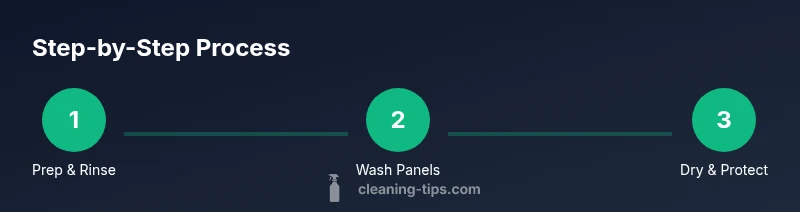
A structured exterior wash begins with wheels to prevent brake dust from migrating onto cleaner surfaces. Start with a pre-rinse to remove loose dirt, followed by a two-bucket wash for the panels. Work from the top down to minimize recontamination, then tackle wheels and tires last to avoid carrying grit onto the paint.
For best results, keep the soap at a comfortable, sudsy level and avoid washing in direct sunlight to reduce water spots. Use a soft wash mitt and rinse frequently to prevent abrasive grit from scratching the clear coat. After washing each panel, rinse thoroughly, ensuring a continuous flow that helps lift dirt away rather than rubbing it in.
A clean freak car wash also includes a quick inspection after each major section. If you notice stubborn bugs, tree sap, or tar, address with a dedicated cleaner or a pre-wash spray before re-washing that area. This discipline prevents needing to rewash large sections later.
Wheel and Tire Care: Brakes, Dirt, and Durability
Wheels and tires deserve focused attention because brake dust and road grime sit in textured finishes. Use a wheel-cleaning brush to agitate spokes and rims while paying attention to valve stems and lug nuts. Apply cleaner from the inside out and rinse with a separate stream to prevent cross-contamination of the soap you’ll use on body panels.
Rinse the wheel wells carefully without blasting water into the brake components. If you have chrome or polished wheels, choose a non-acidic cleaner and a soft brush to avoid dulling the finish. After cleaning, dry these surfaces with a microfiber towel rather than air-drying—this reduces water spots and helps prevent corrosion on exposed metal.
Tip: keep wheel cleaning supplies separate from body wash supplies to maintain a controlled cleaning environment and protect your finishes.
Exterior Washing Technique: Two-Bucket Method and Panel-by-Panel Care
The two-bucket method is a cornerstone of a reliable clean freak car wash. One bucket holds soap-laden wash mitts, the other contains clean rinse water. Rinse the mitt in the clear bucket after a few swipes on a panel, then re-dip in soap. This approach minimizes dirt transfer back onto the paint and reduces surface scratching.
Wash the car in sections, starting at the top and moving downward. Use light, broad strokes and avoid circular motions that can induce swirl marks. After each section, rinse the panel thoroughly and move to the next area. When you’ve completed the entire exterior, perform a final rinse with a gentle flow to ensure no soap remains on the surface.
Remember to check for missed spots, especially around creases, door handles, and the lower panels where dirt accumulates. A thorough final wipe-down with a dry microfiber will reveal an even gloss and reduce the need for additional touch-ups.
Drying, Buffing, and Protective Finish: Locking In Shine
Drying is the final step that prevents water spots and minimizes the risk of soap residue drying unevenly. Use a large microfiber drying towel or detailing chamois, working from top to bottom with light pressure. For best results, dry sections one at a time and flip the towel frequently to expose clean, dry surfaces.
After drying, inspect for any remaining water droplets in crevices and wipe them away. If you plan to apply wax or a sealant, follow the product’s instructions and apply in a thin, even layer. Buff gently after curing time to maximize gloss. Regularly applying a light protective layer can extend the life of your finish and reduce maintenance time on future washes.
Interior Detailing: Quick Refresh for a Fresh Cabin
A clean freak car wash should extend to the interior, especially if you spend a lot of time inside your vehicle. Vacuum seats, carpets, and mats thoroughly to remove dust and debris. Wipe all hard surfaces with a microfiber-damp cloth, using a light cleaner suitable for vinyl and plastic. Don’t forget door panels, dashboard surfaces, and the center console—these areas collect fingerprints and grime quickly.
For occupants with allergies or sensitivities, consider an air-quality boost by using a vent-cleaning brush and an interior-safe deodorizer. A quick interior wipe-down not only improves the experience of a fresh ride but also maintains a healthier cabin between deeper cleans.
To save time on future cleans, place a small microfiber cloth or detailer spray in the glove compartment for on-the-go touch-ups.
Finishing Touches and Maintenance Schedule: Consistency Beats Intensity
A consistent maintenance plan ensures your hard work lasts. Schedule monthly exterior washes aligned with your climate and car usage. In drier months, you may extend the time between deep cleans; in wetter seasons, you’ll likely wash more often to prevent stubborn grime from setting in. Consider applying a wax, sealant, or ceramic coating every 6–12 months depending on wear and exposure.
Keep a simple log of dates and products used to monitor wear patterns on paint, trim, and interior surfaces. This habit helps you detect when you need more intensive treatment or a different cleaner to preserve your car’s finish and interior quality. A methodical approach to maintenance is the hallmark of a true clean freak car wash.
Common Mistakes to Avoid: Quick Corrections that Save Time and Cash
Even enthusiasts slip into bad habits. Avoid washing under direct sun, using hot water on cold surfaces, or scrubbing with dry towels, all of which can cause streaks or paint damage. Don’t reuse dirty towels on the same area, and never mix cleaners unless the label explicitly allows it. If you’re unsure about a product’s compatibility with your finish, test it on a small, inconspicuous area first.
By staying mindful of these missteps and sticking to a routine, you’ll maintain a pristine look without rework. Cleaning Tips highlights that a deliberate, mindful approach yields the best results over time.
A Practical Schedule: A 60-Minute Sample for a Busy Weekend
Below is a compact schedule you can follow when time is tight. It assumes light dirt and a dry, temperate day. If your vehicle is heavily soiled, allocate more time, or split the wash into two sessions. A consistent routine will still deliver better results than rushing a single, long session.
- 0-5 minutes: Gather supplies and inspect the car for problem areas. Check tires, wheels, and visible paint chips that may require pre-treatment.
- 5-15 minutes: Rinse the vehicle from top to bottom, starting at the roof and working downward. Pre-rinse wheels separately to loosen brake dust.
- 15-40 minutes: Wash exterior panels using two buckets and a microfiber mitt. Rinse after each panel and move steadily to the next area.
- 40-50 minutes: Rinse once more and begin drying with a large microfiber towel, keeping the surface nearly dry to minimize water spots.
- 50-60 minutes: Vacuum and wipe interior surfaces, then apply optional protectants or quick detailer for a fresh look. Do a final check for missed spots and touch up as needed.
Safe Disposal and Eco-Friendly Practices
A clean freak car wash can be environmentally responsible with a few simple steps. Use a nozzle setting that minimizes runoff, capture rinse water where possible, and reuse towels for similar tasks to reduce waste. Choose eco-friendly soaps and avoid harsh chemicals that can damage soil and waterways. A well-planned wash reduces both water usage and environmental impact while still delivering exceptional results.
Tools & Materials
- Two-bucket washing kit with grit guards(One bucket for soap, one for rinse; keep grit guards to trap dirt)
- Wash mitt(Microfiber; use separate mitts for wheels and body)
- Microfiber towels(Multiple towels; designate for drying, interior, and wheels)
- pH-balanced car shampoo(Avoid household detergent; safe for paint and seals)
- Wheel cleaner (non-acidic for aluminum tires)(Choose appropriate cleaner per wheel type)
- Soft brush for wheels(Helpful for tight areas and brake dust)
- Garden hose with spray nozzle(Low to moderate pressure; avoid blasting seams)
- Detail brushes(For crevices, door jambs, and emblems)
- Interior detailing spray or protectant(For quick refreshes and protection)
- Clay bar (optional)(For removing embedded contaminants on paint)
Steps
Estimated time: 120-180 minutes
- 1
Gather and set up
Collect all tools, materials, and cleaners. Inspect the car for pre-existing scratches or paint defects. Set up a dedicated washing area away from direct sunlight to reduce water spots.
Tip: Label or separate gear by task to speed up transitions. - 2
Rinse and pre-treat
Rinse the entire vehicle to remove loose dirt. Apply wheel cleaner to wheels and let it dwell briefly while you prep the exterior wash soap.
Tip: Start with wheels so they aren’t recontaminated by the body wash. - 3
Wash exterior panels
Dip the wash mitt into soap, then work on panels from top to bottom using light, straight strokes. Rinse the mitt in the rinse bucket after a few swipes, then re-dip in soap.
Tip: Keep the mitt damp; dry hands drag dirt across paint. - 4
Rinse after each section
After cleaning each section, rinse thoroughly to avoid soap drying on the surface and leaving spots. Move methodically to reduce missed areas.
Tip: Use a wide, steady spray to lift dirt without forcing it into crevices. - 5
Dry exterior and inspect
Dry panels with a large microfiber towel, turning the towel to expose clean fabric. Inspect for remaining spots and buff lightly if needed.
Tip: Drying in a shade area prevents water spots. - 6
Interior quick refresh
Vacuum seats and mats, wipe surfaces with a damp microfiber, and treat hard surfaces with a safe interior cleaner. Freshen the cabin with a light deodorizer if desired.
Tip: Keep interior tools separate from exterior gear. - 7
Protect and maintain
Apply wax, sealant, or ceramic coating as recommended by product directions. Schedule a follow-up clean to maintain gloss and interior cleanliness.
Tip: Document the products used for future reference.
Questions & Answers
What is the two-bucket method and why is it recommended?
The two-bucket method uses a soap bucket and a separate rinse bucket to minimize reapplying dirt to the car. Each time you dip the wash mitt into soap, you rinse it in the clean water before re-soaping, reducing swirl marks and scratches.
Use two buckets: one for soap and one for rinse. Rinse the mitt before dipping back into soap to keep dirt off the paint.
Can I use dish soap for car washing?
Dish soap is designed for dishes and can strip protective coatings on paint and trim. Use a pH-balanced car shampoo that is safe for finishes to preserve gloss and protection.
Avoid dish soap; choose a car shampoo that's pH-balanced and safe for finishes.
Should I wash in direct sunlight?
Washing in direct sun can cause soap to dry quickly and leave water spots. If possible, wash in a shaded area or during cooler parts of the day and keep surfaces wet during the wash.
No—wash in the shade if you can to prevent spots and streaks.
How often should I wax after washing?
Wax or sealant frequency depends on climate and use. In general, apply a protective layer every 6-12 months to maintain shine and shield against contaminants.
Aim for protective coating every 6 to 12 months depending on conditions.
What is the best way to dry a car after washing?
Use a large, clean microfiber towel or a dedicated drying towel. Wring frequently and dry sections one by one to avoid water spots and streaks.
Dry with a high-absorbency microfiber towel, section by section.
Are there eco-friendly options for a DIY wash?
Yes. Use a biodegradable car shampoo, limit water use with a spray nozzle, and reuse towels for similar tasks to minimize waste. Even small adjustments add up over time.
Yes—choose biodegradable cleaners, limit water, and reuse towels where possible.
Watch Video
The Essentials
- Plan a structured wash to save time.
- Use the two-bucket method to protect paint.
- Dry thoroughly to prevent water spots.
- Inspect areas and adjust as needed for a showroom finish.