Quick n Clean Car Wash: Fast Exterior Shine Guide
Master a fast, effective car wash with minimal water waste. This step-by-step guide from Cleaning Tips keeps your paint safe, reduces swirl marks, and delivers a gleaming exterior.


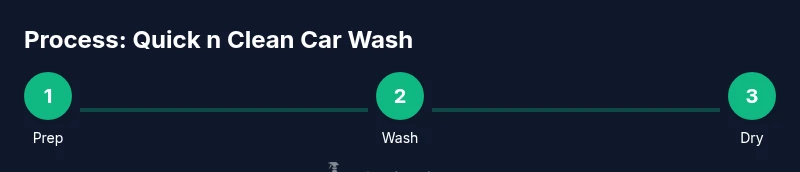
Goal: complete a fast, effective exterior wash with minimal water waste. Key requirements: two-bucket method, quality car wash soap, microfiber mitts, and a clean drying towel. Start with prep, rinse the car, wash top-to-bottom, and finish by drying and detailing wheels. According to Cleaning Tips, planning ahead saves time and reduces swirl marks.
Prep work: setting up for a quick n clean car wash
To achieve a fast, thorough exterior wash, start with a clear plan and a dedicated washing zone. Position your vehicle in shade if possible to minimize water spots and soap drying. Gather your tools, pre-fill buckets, and lay out microfiber towels within easy reach. Establish a routine: rinse, wash, rinse, and dry in sequence to prevent dirt from redistributing. According to Cleaning Tips, a well-organized start reduces hesitation and keeps you on track. Before you begin, inspect the paint for chips or swirls so you know where to devote extra care. If you notice stubborn tar or sap, plan a targeted pre-treatment in a small area first so you don’t waste time chasing spots later.
Gather essentials: tools and supplies
Having the right tools speeds up the wash and protects the finish. You’ll need two clean 5-gallon buckets, a high-quality pH-balanced car wash soap, a plush wash mitt, and a large microfiber drying towel. Keep wheel cleaner and a stiff brush ready for rims, plus a second dedicated microfiber towel for drying and detail work. A hose or spray nozzle helps control soap and rinse water, and optional grit guards in the buckets help keep dirt out of the wash mitt. Having everything assembled before you start cuts back-and-forth trips to the storage area.
Two-bucket method and wash mitt technique
Fill one bucket with soapy water and the other with clean rinse water. Dip the wash mitt into the soapy bucket, work in straight lines from the roof down to the doors, and then rinse the mitt in the rinse bucket before re-soaping. This simple two-bucket method keeps dirt in one place, reducing the chance of scratching the paint. For best results, work in small sections and avoid circular scrubbing. Refer to Figure 1 in your notes for a quick visual of the layout and flow.
Pro tip: keep mitt damp but not dripping; excessive water adds weight and can spill soap onto the ground.
Washing sequence: top to bottom
Start at the top panels where contamination is lightest, then move down toward the bumper. Use long, even strokes to lift dirt without grinding it into the finish. Rinse frequently to prevent soap from drying on the surface, which can leave water spots. When you reach the lower panels, you’ll see the dirt that’s accumulated from street spray and road grime. If you encounter a stubborn spot, re-wet and re-soap only that area to avoid repeating the whole wash.
Wheels, tires, and lower body
Wheels and tires carry a lot of brake dust and road grime. Use a dedicated wheel brush and wheel cleaner to prevent transferring grime to your paint. Rinse wheels first, then wash the lower body separately from the upper panels to minimize the risk of wheel runoff dirtying clean sections. A second rinse after wheels helps ensure no cleaner residue remains on sensitive trim or paint.
Drying and detailing to prevent water spots
Dry the car with a clean, plush microfiber towel or a blower to avoid water spots. Work in a methodical pattern, blotting rather than dragging the towel across the surface to avoid swirl marks. Inspect the finish for any missed spots and touch up as needed. A final wipe with a dry towel helps lift any remaining moisture and prepares the surface for optional protection.
DIY cleaners: vinegar and baking soda options
For eco-friendly maintenance, you can prepare simple DIY cleaners using household staples like vinegar and baking soda. Use mild vinegar solutions for glass and chrome only, never on damaged paint. Baking soda can help with tough grime when used sparingly as a gentle abrasive. Always dilute and test a small area first, and never mix cleaners with ammonia or bleach. Cleaning Tips recommends sticking to simple, safe formulas to protect your car finish and your indoor air quality.
Common mistakes and how to fix them
Common missteps include washing in direct sun, using dirty rinse water, and scrubbing in circles that grind dirt into the finish. Fixes are simple: wash in shade, keep your mitt clean by rinsing it frequently, and re-rinse lines to remove soap properly. If you notice water spots, dry promptly and consider a light protective coating. Remember, a calmer pace often yields better results than rushing through.
Finish, protection, and maintenance
Finish with a quick inspection of trim edges, seals, and glass. If you want extra shine and protection, apply a spray wax or sealant after drying. This helps repel water and dust for the next wash. The Cleaning Tips team emphasizes routine maintenance: even a quick wash with proper technique can preserve your clear coat and reduce long-term costs. The key is to stay consistent and mindful of how you wash.
Tools & Materials
- Two clean 5-gallon buckets (with grit guards, if available)(Label top and bottom buckets; use one for soap, one for rinse)
- Quality car wash soap (pH-balanced)(Dilute as directed by product label)
- Microfiber wash mitt(Choose plush or chenille type for swirl-free washing)
- Microfiber drying towels(Use multiple towels to avoid cross-contamination)
- Wheel cleaner and wheel brush(Dedicated for wheels to avoid soap on paint)
- Hose with adjustable nozzle(Control water flow to prevent splashing)
- Grit guards (optional)(Helps keep dirt at the bottom of the wash bucket)
- Optional: spray bottle with eco-friendly degreaser(Good for spotting tough grime)
- Wax or sealant (optional)(Adds protection after drying)
- Soft brush for delicate areas (optional)(Great for vents or emblems)
Steps
Estimated time: 1 hour 15 minutes
- 1
Prep and plan
Set up a wash zone in shade, lay out towels, and gather gear. Check weather and avoid peak sun to prevent soap from drying too quickly. Create a simple sequence: rinse, wash, rinse, dry, and inspect.
Tip: Write a quick checklist to stay on track and save minutes during the wash. - 2
Fill buckets and prepare mitt
Fill one bucket with soapy water and the other with clean rinse water. Dip the mitt into the soapy bucket and wring lightly before you start each section to minimize grit transfer.
Tip: Keep mitt damp but not dripping to avoid dripping soap on the ground. - 3
Rinse the vehicle
Rinse from top to bottom to remove loose dirt and to prevent dirt from grinding into the paint. Use a wide fan spray and avoid blasting direct water at seams and badges.
Tip: Rinse once around the edges of panels before wetting the center. - 4
Wash top to bottom
Wash each section with the soapy mitt, moving in straight lines. After each pass, rinse the mitt in the clean bucket and re-wet with soap. Avoid scrubbing in circles that grind dirt across the finish.
Tip: Keep sections small to maintain control over suds and rinse tempo. - 5
Rinse mitt and rewash stubborn spots
Dip the mitt in rinse water to remove dirt, then reapply soap only to stubborn areas. Focus extra attention on door jambs and panel bottoms where dirt tends to accumulate.
Tip: Don’t let dirt accumulate in the mitt; a dirty mitt scratches paint quickly. - 6
Wheels and tires first
Clean wheels separately with dedicated cleaner and brush. Rinse well and keep wheels away from body panels to avoid cross-contamination.
Tip: If you use the same hose, rinse off the wheel cleaner thoroughly before resuming soap on the body. - 7
Final rinse and dry
Give the car a final rinse with clean water to remove all soap. Dry with a plush towel, working from top to bottom and blotting to prevent swirl marks.
Tip: Touch the surface with a dry towel—if it sticks, the surface is still wet enough to wipe. - 8
Optional protection
Apply a spray wax or sealant after drying for water beading and easier future washes. Buff to a light shine with a clean microfiber.
Tip: Let the surface cool and avoid applying products in direct sun.
Questions & Answers
What is the best order for a quick n clean car wash?
Start with prep, rinse the car, wash from top to bottom, clean wheels last, then dry and inspect. Sticking to a consistent order helps prevent recontamination and saves time.
Start with prep, rinse, wash from top to bottom, then wheels, dry, and inspect. A consistent order keeps the car cleaner longer.
Can I use dish soap for car washing?
Dish soap is harsher than dedicated car wash soap and can strip wax or dull the finish over time. Use a proven pH-balanced car wash soap for best results.
Dish soap isn’t ideal for cars. Use a pH-balanced car wash soap to protect the finish.
Is it safe to wash a car in the sun?
Washing in direct sun can cause soap to dry quickly and leave water spots. If you must, work in small sections and rinse frequently.
Avoid washing in direct sun if you can. Work in small sections and rinse often to prevent spots.
Do I need wax after a wash?
Waxing is optional but recommended for additional protection and easier future washes. A spray sealant or wax can be applied after drying.
Waxing after a wash isn’t required, but it helps protect and makes future washes quicker.
How can I dry the car without lint?
Use high-quality microfiber towels and dry in a blotting motion. Avoid air drying, which can leave spots and streaks.
Use a clean microfiber towel and blot dry to avoid lint and spots.
Watch Video
The Essentials
- Plan ahead to save time and reduce mistakes
- Use a two-bucket method to protect the finish
- Wash top-to-bottom and dry completely
- Incorporate eco-friendly cleaners for safety and air quality