How to Clean Out a Drain: A Step-by-Step Guide
Learn a safe, practical method to clean out a drain, prevent clogs, and maintain a healthier home with eco-friendly tips from Cleaning Tips. Includes tools, steps, safety, and troubleshooting.


You’ll learn a safe, practical method to clean out a drain using common tools, eco-friendly approaches, and proper disposal. The guide covers when DIY is appropriate, what tools to gather, and a step-by-step process to reduce future clogs.
Why Cleaning Out Drains Matters
According to Cleaning Tips, regular drain maintenance helps prevent odors, slow drainage, and messy backups. A clean drain supports better water flow, protects plumbing from damage, and reduces the need for chemical cleaners. This guide focuses on practical, eco-friendly methods homeowners can perform themselves, while outlining safe boundaries for when to call a professional. By understanding common causes and the safest approaches, you’ll feel confident taking action before a clog becomes a bigger problem. Clean drains contribute to a healthier home environment and lower long-term repair costs, which is why making time for routine maintenance matters for both renters and homeowners.
Beyond immediate drainage, routine clean-outs support septic systems when applicable and minimize foul smells that can affect living spaces. The strategies here emphasize control, safety, and sustainability. You’ll learn how to assess a clog, select the right approach, and avoid common pitfalls that lead to overuse of harsh chemicals. The approach is designed for kitchens and bathrooms, where most household drains encounter grease, hair, soap scum, and mineral buildup. A calm, methodical process reduces mess and makes the job more predictable.
Common Causes of Drain Clogs
Clogs don’t appear out of nowhere; they accumulate from everyday habits. Hair from showers, soap scum, and grease from cooking are the primary culprits in bathroom and kitchen drains. Food scraps, coffee grounds, and mixed fibrous materials can also block pipes, especially when they combine with minerals from hard water. Over time, mineral scale from hard water creates a crust that narrows the passage, slowing drainage and inviting backups. Recognizing these sources helps you choose preventive actions rather than quick fixes.
A proactive homeowner will also consider the impact of detergents and flushes on pipe walls. Certain products can leave a sticky residue or react with deposits to form stubborn clogs. By understanding the typical buildup, you can tailor your routine maintenance—such as hot-water rinses, careful disposal of fats, and regular cleaning using non-corrosive methods—and reduce the frequency of dramatic blockages.
Safety First: Prep and PPE
Before you begin, assemble your tools and protect yourself. Wear rubber gloves and eye protection if splashes are possible, and ensure children and pets are out of the work area. Good ventilation is important if you’ll use any chemical or strong-smelling cleaners. Keep a bucket handy to simplify water disposal and reduce splashes. Always read product labels if you choose to use a cleaner, and never mix cleaners, especially bleach with ammonia or acids.
Plan your steps in advance: identify the most likely choke point (sink trap, vertical pipe, or disposal area), check for standing water, and consider whether you need to disconnect a trap under the sink. Quick, careful prep minimizes mess and reduces the chance of accidental spills. Finally, set realistic expectations: most DIY drain clean-outs resolve simple clogs, while stubborn or recurring backups may require professional equipment or diagnosis.
Eco-Friendly Methods vs Harsh Chemicals
Whenever possible, start with mechanical methods rather than chemical drain cleaners. A plunger or drain snake can clear many clogs without introducing harsh substances into your home or septic system. For a gentler approach, a baking soda and vinegar treatment followed by hot water can help break up grease and soap scum. This combination is often effective for minor buildups and is safer for your pipes and the environment than chemical cleaners.
If you opt for chemical cleaners, choose products that are labeled safe for septic systems and use them sparingly. Never mix cleaners with other chemicals, and follow the manufacturer’s instructions closely. After any cleaning, flush the drain with hot water to clear residues. If you have metal pipes or older plumbing, proceed with more caution, as harsh chemicals can damage certain materials over time.
A Simple, Fail-Safe Step-by-Step Overview
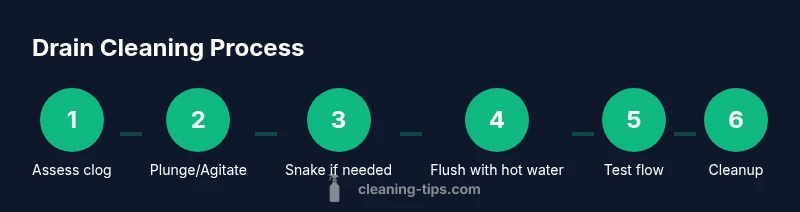
This section provides a high-level view of the approach you’ll practice in the dedicated Step-by-Step block. Start by assessing the clog and preparing the area, then attempt the mechanical method (plunger) before moving to the drain snake if needed. Finally, flush with hot water, check the flow, and tidy up. The process emphasizes safety, patience, and minimal chemical use. By following these steps in order, you’ll minimize the risk of splashes, pipe damage, or unintended consequences.
Remember: if there’s sewage backup, if you’re unsure about pipe materials, or if the clog recurs after one full cycle of attempts, stop and seek professional help. The aim is to solve most clogs without professional tools, but patient judgment is crucial.
Authority Sources and Further Reading
For additional guidance from reputable sources, you can consult:
- EPA: Safer cleaning practices and household chemical safety (https://www.epa.gov/saferchoice)
- CDC guidance on cleaning and sanitation practices (https://www.cdc.gov/handwashing/index.html)
- Consumer safety and home maintenance resources from official publications (https://www.osha.gov/). These references provide broader safety context and general best practices for safe cleaning routines.
Note: Always verify current recommendations and local codes, especially if you rent or own an older home with unconventional plumbing.
Maintenance Tips to Prevent Future Clogs
Preventive habits are the best defense against recurring clogs. Use sink strainers to catch hair and food particles, and dispose of fats, oils, and grease in the trash rather than down the drain. Run hot water for 15-30 seconds after each sink use to help keep the passage clear, especially in kitchen drains where grease tends to accumulate. Periodically flush drains with a combination of hot water and a mild dish soap to reduce soap scum buildup. If you have hard water, consider occasional mineral-removing rinses or a preventive cleaning routine with baking soda and hot water to reduce scale formation. By adopting these routine practices, you can significantly lower the chances of stubborn clogs and maintain smooth drainage.
Faucet and Drain Etiquette: What Not to Do
Avoid pouring grease, coffee grounds, or fibrous items like celery stalks down any drain. Do not flush large amounts of paper towels, wipes, or sanitary products, even if labeled as flushable. These items don’t break down easily and can accumulate behind a clog. If you’re dealing with a garbage disposal, always run cold water during and after grinding to carry waste away and prevent heat buildup that can attack seals over time. With careful habits, you’ll extend the life of your plumbing and keep drains flowing freely.
Tools & Materials
- Rubber gloves(Protect hands from grime and cleaners)
- Plunger (cup or flange)(Choose a model with a good seal; kitchen and bathroom variants differ slightly)
- Drain snake / auger(Manual snake, length at least 3-6 ft; extend if needed)
- Bucket(Catch water and debris; place under trap area)
- Flashlight(Inspect pipes under sink for visible blockages or leaks)
- Baking soda(Use in eco-friendly fizz method followed by hot water)
- White vinegar(Acidic component for gentle cleaning with baking soda)
- Boiling water(Helpful after baking soda/vinegar treatment for mineral buildup)
- Dish soap(Mild lubricant to help loosen grease in combination with hot water)
- Old towels or rags(Roll and place to catch spills; protect the surrounding area)
Steps
Estimated time: 45-60 minutes
- 1
Assess clog and prepare area
Begin by identifying the likely choke point (trap, pipe, or disposal area) and clear the area around the under-sink cabinet. Put on gloves and goggles, lay towels, and have a bucket ready for water. This step reduces mess and keeps you safe as you work.
Tip: Take a quick photo of any leaks or damaged components before you start to help with future repairs. - 2
Remove standing water
Use a cup or small container to scoop out standing water into the bucket. Removing excess water improves visibility and makes it easier to engage the clog with a plunger or snake.
Tip: If water is really high, seal the overflow vent if present to avoid splashing. - 3
Attempt with a plunger
Place the plunger to seal the drain and push/pull firmly to create a suction. Several strong, measured strokes can break loose a shallow clog. If water doesn’t move, move to the next method rather than forcing the plunge too aggressively.
Tip: Ensure the plunger is fully submerged for maximum suction. - 4
Use a drain snake if plunging fails
Insert the snake into the drain and rotate to catch or break up the blockage. Push gently and avoid forcing it too deep, which can damage pipes. Retract slowly while pulling debris out.
Tip: If you feel resistance, pause and back off slightly to avoid kinking the snake. - 5
Flush with hot water and eco-friendly fizz
Pour boiling water or hot water mixed with baking soda down the drain, followed by a vinegar rinse if desired. This helps dissolve grease and soap scum without harsh chemicals. Rinse again with hot water to clear residues.
Tip: Never pour boiling water into PVC pipes if you’re unsure of pipe age; check for material tolerance first. - 6
Inspect and finish
Run water to test the drain’s flow. Check the trap for leaks and ensure there is no remaining odor. Clean up the area and store tools properly. If the drain remains slow or backs up, consider professional inspection.
Tip: Keep a log of what method resolved the clog to guide future maintenance.
Questions & Answers
What is the quickest way to clean out a clogged drain at home?
Start with a plunger to create suction and try a drain snake if plunging doesn’t clear the clog. If water backs up despite these steps, stop and reassess. Persistent backups may indicate a deeper issue.
Begin with a plunger, then try a drain snake if needed. If it doesn’t clear, seek professional help.
Can I use chemical drain cleaners?
Chemical cleaners can be effective for stubborn clogs but pose risks to pipes, septic systems, and indoor air quality. Use sparingly and follow label directions. Avoid mixing with other cleaners.
Chemical cleaners should be used sparingly and only as directed; follow safety labels closely.
When should I call a plumber?
Call a plumber if the clog recurs after multiple attempts, if you notice sewage backup, or if the pipes show signs of damage. A professional can diagnose hidden blockages and structural problems.
Call a plumber if clogs keep returning or you see backups or leaks.
Is boiling water safe for all pipes?
Boiling water can help with some clogs but may damage PVC or older pipes. Use caution and avoid pairing with aggressive chemical cleaners. Test on a small section first if uncertain.
Boiling water helps some clogs but can damage certain pipes; test first and avoid mixing with strong chemicals.
How often should I clean drains to prevent clogs?
For homes with regular buildup, a monthly or quarterly maintenance routine can help prevent clogs. Pair this with mindful disposal practices and regular hot-water flushes.
A monthly or quarterly routine, plus good disposal habits, helps prevent clogs.
What maintenance helps prevent future clogs?
Use strainers, avoid pouring grease down drains, and dispose of fats and fibrous materials in the trash. Regularly flush with hot water and consider eco-friendly cleaners as a second line of defense.
Use strainers, skip grease down the drain, and flush with hot water regularly.
Watch Video
The Essentials
- Prepare tools and PPE before starting.
- Prioritize mechanical methods to minimize chemical use.
- Eco-friendly options can work for minor clogs.
- Test flow and maintain drains regularly.