How to Get Clean Quotes for Cleaning Services
Learn how to obtain clean quotes from cleaning services, compare scope and pricing, verify credentials, and lock in a transparent, written agreement for your home.


In this guide, you will learn how to obtain clean quotes for cleaning services, compare line-items, verify qualifications, and protect yourself from scope creep. You’ll know what to ask, what to look for, and how to negotiate a fair, transparent estimate that matches your home’s needs. This overview is designed for homeowners and renters using Cleaning Tips' expert guidance.
What clean quotes are and why they matter
A clean quote is a transparent, itemized estimate from a cleaning service that clearly lists the scope of work, frequency, products, and any add-ons. According to Cleaning Tips, a well-prepared quote helps you compare services fairly and avoid surprise charges at the end of a cleaning cycle. When you pursue clean quotes, you’re asserting control over your cleaning budget and ensuring the service level you expect is actually deliverable. A strong quote also makes it easier to verify licenses, insurance, and safety practices. In short, clean quotes reduce guesswork and protect both you and the cleaners by establishing mutual expectations from the start.
The goal is to have quotes that spell out what’s included and what isn’t, so you can make an apples-to-apples comparison across providers. If you encounter vague language or pressure to “just sign,” pause and request a formal document. Transparent quotes are a hallmark of professional, reputable cleaners who value your time and home health.
How to request clean quotes from cleaners
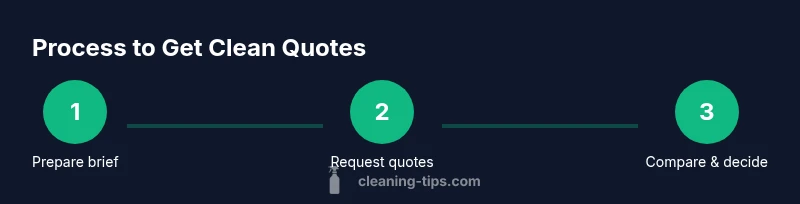
Start with a clear brief that outlines the areas to be cleaned, the cleaning frequency, and any special requirements (green products, pet considerations, or sensitive materials). Send it to at least three reputable cleaners to encourage competitive pricing and service clarity. Ask for quotes to be sent in writing, ideally as a PDF, so you can save and compare them later. When you request quotes, include a deadline to ensure timely responses and to keep the process moving. If a cleaner offers an in-person walkthrough, weigh the benefits: it helps confirm scope, but may add scheduling time. Always request a written estimate that includes a start date, frequency, and a clear description of tasks.
What should be included in a clean quote
A proper quote should include: scope of work (rooms and surfaces), cleaning frequency, products and equipment, service hours, any add-ons (deep cleaning, appliance cleaning, window washing), and the total estimated cost. It should also note whether supplies are included or provided by the homeowner, and any guarantees or policies about missed visits or rescheduling. A quality quote will distinguish between standard tasks and optional extras, so you can decide what you actually want. If the quote omits details, request a revised version. Remember, a clean quote should feel complete, not vague.
Common pitfalls and red flags in quotes
Watch for quotes that are suspiciously low or that advertise “discounts” without clear scope. Ambiguous language about “deep cleaning” or “special products” can mask hidden fees. Quotes that lack a timeline, start date, or method for handling supplies can lead to disputes later. Beware if a provider pressures you to sign before you’ve reviewed all terms, or requests large deposits before work begins. Red flags also include inconsistent pricing on different pages, or quotes that rely on vague estimates rather than itemized line-items. A cautious buyer should always verify licenses, insurance, and references before making a decision.
A practical process to compare quotes effectively
Begin by compiling each quote into a simple comparison sheet with consistent categories: scope, frequency, products, labor hours, and total cost. Create apples-to-apples notes by aligning each provider’s terminology with your list of tasks. Where one quote includes window cleaning and another does not, decide whether you want to add that service—then adjust the totals accordingly. Prioritize clarity over speed: you may save more money by choosing a slightly longer delay to gather all details. Finally, contact references and read online reviews to confirm service reliability and communication quality before deciding.
Verifying credentials and protecting yourself
Always verify that the cleaners hold current liability insurance and, if required, workers’ compensation coverage. Check licenses where applicable in your area and confirm the business’s physical address and contact information. Request a written contract or service agreement that includes scope, price, frequency, cancellation policy, and a change-order process. Inspect the final agreement for “scope creep” safeguards—language that prevents adding tasks without an updated quote. Keep copies of all documents and confirm all changes in writing to protect yourself and the service.
Talking about eco-friendly options and green quotes
If sustainability matters to you, specify green cleaning products and methods in your brief. Ask each provider to quote using eco-friendly products and to separate those costs from standard services. Clean quotes that differentiate green options help you compare not only price but environmental impact. Verify that the products used are safe for pets and children if relevant, and request MSDS sheets or product labels for full transparency. Green quotes may be slightly higher, but they contribute to a healthier home and lower toxin exposure over time.
Budgeting and negotiation strategies
Treat clean quotes as starting points for negotiation rather than final offers. If one provider’s price is higher but includes more comprehensive coverage, weigh the value rather than the number alone. Ask for bundled services or seasonal discounts, and propose a trial period to test performance before committing to a longer contract. When negotiating, keep your requests specific and limit back-and-forth additions that can inflate the scope. A clear, written agreement after negotiations helps prevent disputes. Finally, consider a re-evaluation after a few months to adjust the scope based on actual needs and outcomes.
Final check: how to seal the deal and follow up
Once you have a preferred clean quote, schedule a brief call or meeting to confirm expectations and address any last questions. Ask for a start date in writing and a contact person for ongoing communication. After the first cleaning, compare actual results with the quoted scope to confirm alignment; if gaps exist, request rapid amendments in writing. Maintain a digital folder with quotes, contracts, and receipts for easy reference. By staying organized, you reinforce a positive relationship with your cleaner and ensure ongoing transparency.
Tools & Materials
- Notebook or digital note app(Keep a detailed log of quotes and decisions)
- Clipboard (optional)(Useful for holding paper quotes during in-person meetings)
- Printer or PDF reader(Save and view written quotes in PDF format)
- Internet access(Needed to contact cleaners and verify information)
- Sample contract template(Have a baseline to compare terms and prevent scope creep)
Steps
Estimated time: 1-2 weeks
- 1
Define your cleaning needs
Draft a concise brief listing rooms, surfaces, and any special considerations (pets, allergy-safe products, or fragile items). This clarity reduces back-and-forth and yields more accurate quotes. A precise scope also helps you compare quotes fairly across providers.
Tip: Create a checklist of rooms and tasks to ensure nothing is overlooked. - 2
Request written quotes from at least three providers
Send your brief to multiple cleaners and ask for a written estimate with scope, frequency, products, and total cost. Request a deadline to receive quotes so you can compare promptly. Written quotes minimize misunderstandings.
Tip: Ask for PDF copies to preserve formatting and details. - 3
Review each quote for scope and items
Compare line-items carefully: what’s included, what’s extra, and whether supplies are included. Note any exclusions. If a line-item is missing, request a revised quote that includes it. This step prevents surprise charges later.
Tip: Highlight the differences side-by-side to see where the value lies. - 4
Check credentials and references
Verify licenses and insurance when applicable, and contact references or read reviews. This verification protects you from scams and ensures the provider has a track record of reliability and safety.
Tip: Request proof of insurance and verify contact information directly with the provider. - 5
Negotiate and finalize a written agreement
Negotiate price by highlighting favorable terms, bundled services, or seasonal discounts. Once agreed, sign a written contract detailing scope, frequency, start date, and cancellation policies. Keep a copy for your records.
Tip: Avoid verbal agreements; insist on a signed document. - 6
Start with a trial period and review results
Begin with a short trial period to confirm they meet your standards. After the first few cleaning sessions, compare outcomes with the quoted scope. If needed, adjust the contract in writing to reflect real-world results.
Tip: Document any discrepancies and request timely revisions.
Questions & Answers
What makes a quote 'clean' and reliable?
A clean quote is written, itemized, and includes the scope of work, frequency, products, and total cost. It clearly states inclusions and exclusions, start dates, and cancellation terms. Reliable quotes come from licensed, insured providers with verifiable references.
A clean quote is written and detailed, showing exactly what’s included and what isn’t, along with start dates and terms.
How many quotes should I obtain?
Aim for at least three quotes from reputable cleaners to compare scope and price fairly. More quotes improve your ability to spot value and negotiate confidently.
Get three quotes to compare scope and price effectively.
What should I do if a quote seems too good to be true?
Question exceptionally low quotes and look for missing details or hidden costs. Request a revised quote that clarifies scope and materials to ensure you’re not sacrificing quality or safety.
If a quote seems too low, ask questions and request clarification before proceeding.
Do quotes include green or eco-friendly options?
Some quotes separate eco-friendly products as add-ons. If you prefer green cleaning, ask for a dedicated line-item for eco-products and verify product safety data.
Ask for green options as a separate line-item and check product safety data.
What is scope creep and how can I prevent it?
Scope creep is when additional tasks are added without adjusting the quote. Prevent it by obtaining a written change order for any extra work and updating the contract accordingly.
Guard against scope creep with written change orders and updated contracts.
What if I’m not satisfied after the first cleaning?
Document the issues, communicate them in writing, and request a corrected scope or a follow-up visit. Revisit the contract terms if persistent problems occur.
If you’re not satisfied, write down the issues and ask for corrections or a follow-up visit.
Watch Video
The Essentials
- Define precise cleaning needs before requesting quotes
- Require written, itemized quotes for apples-to-apples comparison
- Verify credentials and read reviews to protect yourself
- Negotiate with clear, written terms to prevent scope creep
- Use a trial period to confirm expectations align with the quote