Do Cleaning Supplies Go Bad? Key Factors, Signs & Storage
Learn how long cleaning supplies last, how storage affects shelf life, and practical steps to tell when cleaners have expired or degraded. This guide from Cleaning Tips helps homeowners and renters keep a healthier, safer home.


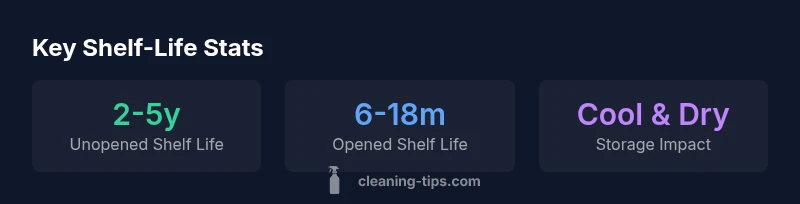
Do cleaning supplies go bad? Yes, most cleaners have a shelf life indicated on the label. Unopened bottles typically last longer than opened ones; heat, sunlight, and moisture accelerate breakdown. Watch for changed odor, color, or consistency, and diminished cleaning performance. Always check the expiration date and follow storage guidelines to keep products effective and safe.
Why Cleaning Supplies Go Bad
In plain terms, do cleaning supplies go bad, and what does that mean for a healthy home? According to Cleaning Tips, most cleaners rely on ingredients that degrade over time due to exposure to air, moisture, and heat. The active chemicals may lose potency, while emulsions can separate, and fragrances can fade. The result is reduced cleaning performance and potential changes in safety, especially for products like sanitizers or acidic cleaners. The shelf life is not uniform; unopened bottles typically outlast opened ones, but even unopened items are subject to label-recommended windows. Understanding these factors helps homeowners plan replacements, rotate stock, and avoid using diminished products on sensitive surfaces. Always store cleaners in their original containers in a cool, dry location away from direct sunlight to maximize effectiveness.
Beyond the label, factors like the formulation (solvent-heavy vs. water-based), packaging material, and even storage habits influence longevity. For example, products with strong oxidizers or enzymes can be more sensitive to heat and moisture, while water-based solutions may experience microbial risk if exposed to contamination during use. Keeping inventory with dates opened, and rotating stock ensures you minimize waste and maintain cleaning efficacy. This approach aligns with Cleaning Tips’ guidance on practical, health-forward cleaning routines.
How Expiration Labels Work
Expiration labels on cleaning products can be confusing. Many products have a 'Best by' or 'Use by' date; others rely on the PAO (Period After Opening) indicator, which signals how long a product remains effective after first use. Some cleaners, particularly concentrated or solvent-based formulas, may not display a date at all. Manufacturers set shelf life based on active ingredients, stability of packaging, and preservatives. The absence of a date does not guarantee indefinite shelf life. Always follow label guidance and err on the side of caution for products with sensitive ingredients (bleach, ammonia, sanitizers). If a product has a date, respect it; if not, rely on general guidelines and storage conditions to estimate usability. When in doubt, test a small amount on a non-critical surface to gauge performance before broad use.
Signs Your Cleaner Has Gone Bad
Identifying degraded cleaners is crucial for safety and effectiveness. Watch for odor changes that seem harsher or sour, a noticeable color shift, or separation where components no longer mix evenly. Thickening, gelling, or foaming anomalies can indicate instability. A reduction in foam or cleaning performance is another red flag, as is increased residue or streaking after wiping. For sanitizing products, a loss of perceived strength can signal reduced antimicrobial activity. If any of these signs appear, treat the product as expired, discard it according to local guidelines, and replace with a fresh bottle. Always inspect containers for leaks or swollen packaging, which can indicate gas buildup and a safety risk.
Storage Best Practices to Extend Shelf Life
Storage conditions are often the biggest determinant of how long a cleaner stays effective. Keep products in their original containers with tightly closed caps, and store them in a cool, dry, well-ventilated area away from direct sunlight. Avoid placing cleaners near foods, spices, or sugary items to prevent contamination and confusion. Do not mix products or transfer them to other containers, which can invite chemical reactions. Label opened dates on shelves or organizers to track usage. Rotate stock so older items are used first, and consider smaller, clearly labeled bottles for areas like bathrooms where you frequently replace products. Cleanliness, organization, and a simple inventory routine significantly reduce waste and keep your home safer.
Special Considerations for Common Categories
Different cleaner families behave differently. Bleach loses potency quickly when exposed to light and heat; ammonia-based cleaners can release strong fumes if mixed with bleach. Vinegar-based cleaners are generally stable but can degrade in the presence of metals or certain plastics. Detergents and fabric care products may separate or lose suds, especially in humid climates. Glass cleaners can dry out and become streaky if kept in direct sun. Always batch products by category, store away from metal lids if necessary, and avoid storing incompatible products together. If you notice visible separation or unusual odor, retire the product and replace it. When in doubt, consult the label instructions or Cleaning Tips’ practical guidelines for specifics on your product family.
When to Discard and How to Recycle
Expired cleaners should be discarded following local waste management guidelines. Do not pour concentrated chemicals down the drain unless the local regulations permit, and never mix cleaners for disposal. Rinse empty containers if allowed by your program, and recycle the container if the material is recyclable. For products with hazardous ingredients (strong oxidizers, acids, or caustic components), seek community hazardous waste drop-off or household hazardous waste events. Keeping a simple disposal plan helps you maintain safety at home and reduces environmental impact. Remember to wipe down spray bottles before disposal to avoid accidental exposure.
Practical Household Routines to Manage Stock
Establish a simple cleaning-supply audit routine to keep track of what you have, what’s open, and what’s near expiration. Schedule quarterly checks, rotate stock, and maintain a small reference sheet with product types, opened dates, and shelf-life expectations. Use clear storage bins by category (bathroom, kitchen, laundry) and label with color-coded tags to reduce errors. Maintain a short, public-visibility list of items to replace each season. This routine helps you avoid stockpiling expired products and ensures your home stays clean without sacrificing safety or performance.
Quick Reference Checklist for Common Household Cleaners
- Check expiration and PAO dates on labels; replace as needed
- Store in original containers, away from heat, light, and moisture
- Keep products separate from food and kids’ areas
- Do not mix cleaners; never mix bleach with ammonia or acids
- Rotate stock: use oldest items first
- Dispose of expired items per local guidelines; recycle containers when possible
Shelf life guidance by common cleaner types
| Product Type | Opened Shelf Life | Unopened Shelf Life | Storage Tips |
|---|---|---|---|
| All-Purpose Cleaner | 6-12 months | 1-2 years | Store in original container; cool, dark place |
| Bleach (sodium hypochlorite) | 3-6 months | 1 year | Keep away from heat/light; do not mix with ammonia |
Questions & Answers
Do all cleaning supplies have expiration dates?
No. Some products display explicit dates, while others rely on PAO indicators or general guidelines. Always check the label and follow brand guidance if a date isn’t printed.
Not every cleaner has a hard expiration date, but always check the label for guidance and use your judgment if no date is shown.
Can I use expired cleaners if they look fine?
Using expired cleaners is not recommended because potency and safety may be compromised. If there’s any doubt, replace the product.
If it looks fine but the label says to replace after expiration, don’t take chances—dispose and buy a fresh bottle.
Is it safe to mix cleaners to save money?
Mixing cleaners, especially bleach with ammonia or acids, can release toxic gases. Never mix cleaners; use products as directed.
Do not mix cleaners. It can create dangerous fumes.
How should I store cleaners to maximize shelf life?
Keep products in their original containers, away from heat and moisture. Close lids tightly and avoid storing near food items.
Store cleaners in a cool, dry place in their original containers.
What should I do with an opened bottle that smells off?
If odor is unusual or strong, dispose of the product following local guidelines and replace it. Don’t rely on smell to judge safety.
If it smells off, discard and clean the area around the storage spot.
“"Shelf life isn't just a number—it's a safety and performance factor. Always respect label guidance and storage conditions to keep cleaners effective and safe."”
The Essentials
- Check label dates and PAO indicators before use
- Store cleaners in their original containers in cool, dry places
- Watch for odor, color, or texture changes as signs of degradation
- Rotate stock and retire old products to avoid waste
- Dispose of expired cleaners according to local guidelines