How Cleaners Make Money: A Practical Guide for 2026
Learn how cleaners make money through pricing models, client acquisition, and scalable strategies. This practical how-to covers pricing, marketing, and growth paths for solo cleaners and small teams in 2026.


Cleaners monetize their work by delivering cleaning services and choosing pricing models that reflect the job, client type, and frequency. Income comes from service fees, recurring contracts, add-ons, and occasional specialty work. Success hinges on pricing wisely, acquiring steady clients, and managing costs. Many workers also offer specialized services (e.g., post-construction cleaning, move-in/out), which can command higher margins. The overview below breaks down how money comes in, where it comes from, and how to optimize earnings.
Understanding the Money-Making Context for Cleaners
If you’re asking how do cleaners make money, you’re looking at a combination of reliable service delivery and smart business planning. The Cleaning Tips team found that successful cleaners monetize skill, reliability, and efficiency across multiple revenue streams. In 2026, most cleaners earn through a mix of pricing models, client retention, and value-added services. This section lays the groundwork for pricing, client acquisition, and sustainable profitability. We’ll cover what clients typically pay for, common service categories, and how to position yourself for steady growth in both residential and small-office cleaning environments. As you read, keep in mind that your earnings will depend on how you combine service quality with smart money management.
Revenue Models in Cleaning: What Cleaners Earn From
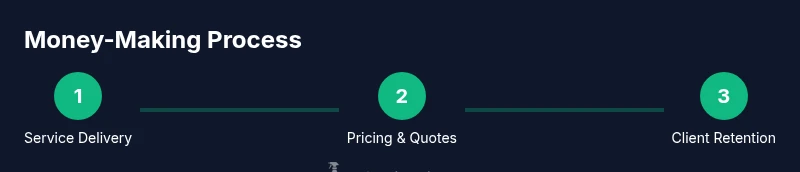
Cleaners typically monetize through several core models. Hourly rates are common for flexible, short-notice jobs, while per-visit flat fees suit predictable cleaning rounds. Recurring contracts (weekly or monthly) offer predictable income and better cash flow, and add-ons (deep cleans, oven cleaning, sanitizing) boost revenue per client. Some cleaners build premium income streams by offering specialty services or eco-friendly cleanings, which can attract higher-paying clients. The key is matching the model to client needs, market norms, and your operational strengths. According to Cleaning Tips, the healthiest income mix blends steady, recurring work with strategic upsells that align with client priorities. Throughout, prioritize reliability, clear communication, and transparent pricing to foster trust and repeat business.
Tools & Materials
- Business registration and licenses(Check local requirements and obtain appropriate business structure)
- Liability insurance(General liability at minimum; workers' comp if you hire help)
- Cleaning kit and supplies(Essential tools, PPE, eco-friendly options where possible)
- Invoicing software or templates(Track jobs, payments, and tax deductions)
- Scheduling and client management(Calendar, reminders, and CRM-like basics)
- Marketing materials(Business cards or a simple website to attract clients)
- Accounting records system(Organize income, expenses, and deductions for taxes)
Steps
Estimated time: 6-12 months
- 1
Define services and pricing
Outline core services (standard clean, deep clean, add-ons) and a clear pricing model. Create a simple rate card and a one-page quote template. This clarity helps you avoid underpricing or scope creep.
Tip: Use a base price sheet and a value-based add-on list to communicate options to clients. - 2
Register, insure, and set up finances
Complete the necessary registrations, obtain liability insurance, and open a separate business bank account. Set up basic bookkeeping to capture income and expenses from day one.
Tip: Keep receipts and invoices organized; it makes tax time much smoother. - 3
Source supplies and build your toolkit
Stock a reliable cleaning kit, including eco-friendly options if desired. Maintain an inventory tracker to avoid shortages during jobs and to plan reorder timing.
Tip: Choose multi-surface cleaners to reduce the number of products you carry. - 4
Launch client outreach
Start with a small target list of residential clients or local businesses. Use referrals, friends and family networks, and online listings to book a few early jobs.
Tip: Offer a first-visit discount to convert initial inquiries into paying clients. - 5
Deliver consistent quality
Create a checklist for each visit to standardize quality. Collect feedback and adjust processes to reduce rework and increase client satisfaction.
Tip: Document your process for future hires and ensure consistency across teams. - 6
Billing and cash flow discipline
Send professional invoices promptly, track due dates, and follow up on late payments. Offer convenient payment methods to reduce friction.
Tip: Set up recurring billing for ongoing contracts to stabilize cash flow. - 7
Maximize value with add-ons
Package deep cleans, sanitizing, and appliance-specific services as optional add-ons. Present bundles that increase per-visit revenue without eroding trust.
Tip: Bundle pricing often increases acceptance rates for add-ons. - 8
Scale responsibly
As demand grows, consider hiring subcontractors or partners. Train new staff with your standard operating procedures and safety guidelines.
Tip: Start with a small team pilot to test management systems before full scaling. - 9
Review and iterate
Regularly review pricing, client mix, and cost structure. Refine your service menu based on profitability and client feedback.
Tip: Quarterly reviews help you catch drift before profits slip.
Questions & Answers
What are the main ways cleaners make money?
Most cleaners earn through a mix of hourly or per-visit pricing, recurring contracts for ongoing work, and value-added add-ons like deep cleaning or sanitizing. Specialty services can command higher margins when marketed to the right clients.
Cleaners typically earn from hourly or per-visit pricing, recurring contracts, and add-ons. Special services can boost income when you target the right clients.
Should cleaners work as independent contractors or employees?
Independent contracting offers flexibility and tax advantages, but requires self-management of licensing and insurance. Employees provide more control for the business but require payroll and benefits. Consider local laws and your growth plan when deciding.
Independent contracting gives flexibility; employees offer stability. Check local rules and plan for growth.
How long does it take to start earning money as a cleaner?
You can begin earning income after securing your first paying job, but building a reliable client base often takes several weeks to a few months. Focusing on quick wins and referrals accelerates momentum.
You can land paying jobs quickly, but building steady clients usually takes a few weeks to months.
Is training or certification necessary to increase income?
Certification isn't always required but can boost credibility and allow premium pricing. Focus on practical training in cleaning techniques, safety, and customer service.
Certifications help you charge more, but practical skills and reliability matter most.
How can cleaners protect themselves from late payments?
Use clear payment terms, request deposits for larger jobs, offer convenient payment methods, and follow up promptly on overdue invoices. Automating reminders helps maintain cash flow.
Set clear terms, collect deposits when possible, and automate reminders to stay on top of payments.
Can cleaners increase income with add-on services?
Yes. Add-ons like sanitizing, oven cleaning, or move-in/out services can significantly raise per-visit revenue when positioned as value-enhancers.
Add-ons boost earnings when you tie them to real client needs.
Watch Video
The Essentials
- Define a clear service menu with transparent pricing.
- Prioritize recurring contracts for stable income.
- Upsell strategically with value-added add-ons.
- Protect profits with solid bookkeeping and insurance.
- Scale gradually while maintaining service quality.