How to Clean Gear Oil: A Practical Home Guide for Spills
Learn how to clean gear oil spills safely at home with step-by-step instructions, PPE tips, absorbents, and disposal guidance to protect floors and the environment.


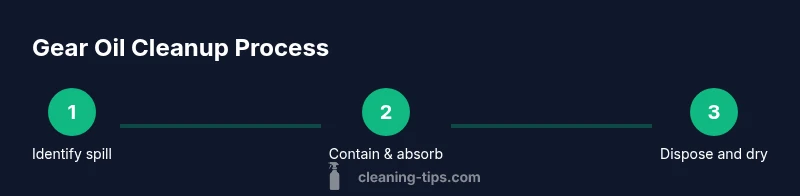
In this guide you will learn how to clean gear oil spills safely and effectively. You'll cover containment, PPE, cleaning agents, and disposal steps, plus simple preventive tips to reduce future leaks. By the end, you'll be able to restore floors, tools, and gear with confidence, even on porous concrete, with minimal mess. This approach minimizes environmental impact and slip hazards.
What gear oil is and why spills matter
Gear oil is a heavy, petroleum-based lubricant used in manual transmissions and differentials. It provides high viscosity and protection under heavy loads, but spills create slick surfaces and can stain concrete, wood, or paint if not cleaned promptly. Gear oil can contaminate soil and groundwater if allowed to spread outside the work area, and it may harm pets or children who encounter slick floors. Containing and cleaning spills quickly reduces environmental impact and slip hazards. According to Cleaning Tips, rapid containment minimizes spread and simplifies cleanup. Cleaning Tips analysis shows that using the right absorbents and detergents shortens cleanup time.
Safety first: PPE and environmental precautions
Before you touch gear oil, put on appropriate PPE: chemical-resistant gloves (nitrile or neoprene), safety goggles, a long-sleeve shirt, and closed-toe shoes. An apron or coveralls adds protection for clothing. If you’re dealing with heavy vapors or a damaged gearbox, wear a respirator or ensure good ventilation. Avoid letting gear oil run into drains or sewer lines; use physical containment and absorbents to keep runoff on-site. Environmental guidelines recommend preventing soil and water contamination; check local disposal requirements for oily waste. The Cleaning Tips team emphasizes PPE and containment to protect people and the environment.
Tools, materials, and prep work
Gather the following items before you start cleanup:
- Absorbent materials (oil-only pads, socks, or granules) – essential to soak up liquid quickly.
- Flexible barriers or plastic sheeting to create a containment pool around the spill – essential for preventing spread.
- Scrubbing brushes and non-abrasive pads for cleaning residues.
- Detergent or commercial degreaser appropriate for gear oil – required for breaking down oil residues after absorption.
- Bags and a rigid container for waste disposal – required for safe disposal of used absorbents.
- A mop, bucket, and optionally a wet/dry vacuum for water runoff – optional but helpful.
- Personal protection gear (gloves, goggles, apron) – essential for safety.
- A plastic spreader or putty knife for collecting contained oil – optional but convenient.
Having a dedicated spill kit with the above items speeds cleanup and reduces mess. Keep absorbents on hand in the workshop and near gearbox bays. Cleaning Tips analysis shows that proper tools reduce cleanup time and improve outcomes.
Aftercare: prevention and long-term maintenance
Once the spill is cleaned, inspect the source of the leak if safe to do so. Replace worn seals or gaskets and consider installing a leak-monitoring plan for the gearbox or equipment. Establish a routine maintenance schedule to catch drips early, and store gear oil containers upright in a dedicated area with secondary containment to prevent future spills. Record the incident and the cleanup steps in a spill log to improve response over time. The Cleaning Tips team recommends documenting lessons learned to reduce recurrence and protect surrounding surfaces.
Tools & Materials
- Personal protective equipment (gloves, goggles, apron)(chemical-resistant gloves (nitrile or neoprene), safety goggles, long sleeves)
- Oil-absorbent materials (pads, socks, granules)(oil-only if possible; avoid adding water at this stage)
- Containment barriers(plastic sheeting or dedicated spill containment berms)
- Scrub brushes and non-abrasive pads(for scrubbing residues after absorption)
- Degreasing detergent or gear oil cleaner(choose a detergent compatible with the surface; follow label directions)
- Plastic bags and rigid waste container(for sealed disposal of used absorbents and contaminated wipes)
- Mop, bucket, and optional wet/dry vacuum(useful for rinsing and collecting runoff if permitted)
- Spill spreader or putty knife(to lift solidified residue)
Steps
Estimated time: 60-90 minutes
- 1
Survey area and secure spill
Assess spill size and source, then cordon off the area to prevent bystanders and pets from entering. If the spill involves electrical equipment or is large, call for professional assistance and avoid contact until safe.
Tip: Keep a spill kit nearby so you can respond quickly next time. - 2
Put on PPE and prepare containment
Don gloves, goggles, and a protective apron. Lay down barriers or plastic sheeting around the spill to form a containment zone that keeps the oil from spreading.
Tip: Double-check ventilation if cleanup is indoors. - 3
Apply absorbents to contain and soak
Spread oil-absorbent material over the spill to soak up as much liquid as possible. Work from the outside edge toward the center to prevent spreading.
Tip: Avoid sweeping; it can push oil into porous surfaces or cracks. - 4
Gather and bag contaminated absorbents
Carefully lift and place used absorbents into a sealed bag or rigid container for disposal. Do not compress or grind the material into smaller pieces, which can release fumes or make disposal harder.
Tip: Label bags as oily waste for local disposal guidance. - 5
Treat residual with detergent or degreaser
Apply a suitable degreasing cleaner to the stained area and scrub with a brush to break down remaining oil. Rinse with a small amount of water if the surface allows, collecting runoff.
Tip: Test the cleaner on a hidden spot first to avoid surface damage. - 6
Rinse or collect runoff safely
If the area is indoors or near drains, use secondary containment to collect rinse water. Do not let contaminated runoff enter waterways or sewer systems without proper treatment.
Tip: Use a mop or vacuum to remove remaining liquid and keep the area dry. - 7
Dispose of waste according to local rules
Place all contaminated materials in a sealed container and consult your local hazardous waste guidelines for disposal. Do not recycle oily absorbents with normal trash.
Tip: Keep a disposal log with date and method for compliance records. - 8
Clean tools and area; inspect for leaks
Wash brushes and tools with detergent and water, then dry thoroughly. Inspect the gear or equipment for leaks and address seals or gaskets as needed to prevent future spills.
Tip: Schedule maintenance checks to catch leaks early. - 9
Document and review
Record the spill details, cleanup steps, and disposal method. Review the response to identify improvements for future incidents. This practice supports ongoing environmental safety.
Tip: Share lessons learned with the team to improve readiness.
Questions & Answers
What is gear oil and why do spills happen?
Gear oil is a heavy lubricant used in transmissions and gearboxes. Spills create slip hazards and environmental risks, so cleanup should be prompt and thorough.
Gear oil is a heavy lubricant for transmissions; spills are slippery and should be cleaned quickly.
Can I flush gear oil with water?
Water can spread the oil and push it into cracks or drains. Use absorbents to contain the spill first, then clean with a detergent if the surface allows.
Water can spread the spill; use absorbents first, then a detergent if appropriate.
What cleaners are safe to use on gear oil spills?
Use detergents or degreasers that are compatible with your surface and approved for oily residues. Avoid harsh solvents on sensitive surfaces unless the manufacturer approves them.
Use a surface-appropriate degreaser; avoid harsh solvents on delicate surfaces.
How should I dispose of gear oil waste?
Place contaminated absorbents and wipes in sealed containers and follow local hazardous waste disposal guidelines. Do not mix with regular trash or pour into drains.
Seal oily waste and follow local disposal rules.
Is cleanup different on concrete versus metal surfaces?
Concrete absorbs more oil and may require more absorbent material, while metal surfaces can usually be cleaned with detergent and scrubbing. Always test a small area first.
Concrete may soak oil more; test cleaners on a small area first.
How long does a typical gear oil spill cleanup take?
Most cleanups take under 90 minutes, depending on spill size and surface. Larger spills near machinery can require additional maintenance checks.
Most cleanups take under 90 minutes, depending on size and surface.
Watch Video
The Essentials
- Contain spills immediately to prevent spread
- Wear proper PPE and use absorbents
- Label and dispose of oily waste correctly
- Inspect equipment to prevent recurrence