How to Clean Gut: Safe Habits for Digestive Health
Practical, non-medical steps to support digestive health. Learn how to clean gut with hydration, fiber, probiotics, and gentle routines for homes.


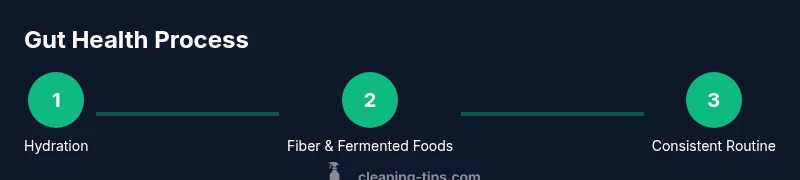
To learn how to clean gut safely, start with a daily routine: drink plenty of water, increase fiber from fruits, vegetables, and whole grains, add probiotic foods, limit processed and sugary items, stay physically active, and get regular sleep. This practical approach supports digestion without drastic measures and fits easily into most homes.
Why Gut Health Matters
Your gut is more than a stomach; it's a hub of digestion, nutrient absorption, and immune function. A balanced gut microbiome supports steady energy, mood, and gut comfort throughout the day. When people ask how to clean gut, they usually want practical steps rather than drastic measures. According to Cleaning Tips, sustainable gut health comes from daily habits rather than quick detoxes. By focusing on hydration, fiber-rich foods, and gentle movement, you set up your gut to work more efficiently. Expect natural shifts in digestion, fewer bloating episodes, and better regularity as your gut microbes rebalance over time. This is not about surgery or medications; it's about steady routine changes you can maintain in any home.
In daily life, small choices add up. A steady routine reduces the likelihood of sudden discomfort and helps your body adapt to dietary changes. Remember, the goal is a sustainable, approachable plan you can stick with for weeks and months, not a one-off cleanse that leaves you tired or uncomfortable.
Daily Habits That Support Digestion
Hydration is foundational. A steady intake of water helps fiber move through the digestive tract and reduces bloating. Next, make fiber a daily habit by including fruits, vegetables, legumes, and whole grains. Start small and increase gradually to avoid gas. Regular meals help your gut clock stay on track, which can improve comfort and energy. Add gentle movement like a 20-minute walk most days. Sleep quality also matters; aim for consistent sleep schedules to support digestion. These habits align with how to clean gut through safe, sustainable practices you can implement at home. Beyond diet, reduce stress with short, regular breaks during the day, and cultivate gratitude or breathing exercises to support gut function indirectly.
By building a routine you enjoy, you reinforce behavior that makes digestion feel smoother over time.
What to Eat and Drink
Focus on foods that nourish gut microbes: high-fiber plant foods, fermented foods, and prebiotic sources. Probiotic-rich options include yogurt, kefir, sauerkraut, kimchi, or miso, if you tolerate dairy or soy. Prebiotic foods such as onions, garlic, leeks, and asparagus feed beneficial bacteria. Hydration stays essential, with unsweetened herbal teas and water by your side. Limit ultra-processed foods, added sugars, and excessive caffeine, which can disrupt the gut balance. Remember, the goal is to support digestion with real foods rather than quick-fix cleanses. This section covers how to clean gut through everyday nutrition.
A practical approach is to rotate fiber sources to diversify gut microbes, while pairing probiotic and prebiotic foods for synergistic effects. Taste variety matters, so aim for color and texture in meals to keep fiber intake enjoyable.
Safe, Gentle Reset Routines
Avoid extreme cleanses or drastic fasting; they can disrupt gut balance and irritate the lining. Instead, try a gentle ramp: begin by adding one new high-fiber food every few days, then retain your baseline for several weeks. Consider a short, daily probiotic-rich snack, paired with a glass of water. If gas occurs, slow down the fiber introduction and spread fiber intake across meals. Keep meals simple, cook meals at home when possible, and avoid late-night heavy eating. The pattern is: steady, gradual changes that your gut can adapt to, with patience—this is how to clean gut without stress. For many households, consistency beats intensity when it comes to digestion.
If you have a medical condition or symptoms that persist, seek guidance from a clinician before making major dietary shifts.
Common Myths About Digestive Cleansing
Myth: A cleanse will quickly remove toxins. Reality: the body already detoxifies through the liver and kidneys; extreme cleanses can backfire. Myth: You must starve to detox your gut. Reality: deprivation slows digestion and energy. Myth: Probiotic pills are the only way to rebalance gut flora. Reality: foods can achieve similar benefits, and supplements aren’t a magic fix. Myth: If you feel bloated, you should stop all fiber. Reality: fiber is essential; start with gentle amounts and increase gradually. This section debunks common claims and reinforces safe, sustainable habits.
Simple Daily Routine Planner
Here's a practical, flexible daily plan you can start today to support gut health. Morning: glass of water, a fruit, and a probiotic yogurt or plant-based option. Midday: fiber-rich lunch with vegetables, beans, or whole grains. Afternoon: herbal tea and a light walk. Evening: a light dinner with vegetables and a whole grain, plus a prebiotic dessert like a banana. Sleep routine: go to bed at a similar time each night. Track how you feel, and adjust as needed. Keep a small notebook or digital log to monitor reactions to different fibers and foods.
When to Seek Medical Advice
If you notice persistent symptoms such as severe abdominal pain, unexplained weight loss, blood in stool, or if you have a chronic condition, consult a healthcare professional. Pregnant individuals should talk to their clinician before changing diet or adding probiotic foods. If you recently started a new supplement for the gut, monitor for adverse effects and discontinue if needed. This guide provides general guidance and does not replace professional medical advice.
Tools & Materials
- Reusable water bottle(Capacity to hold at least 500 ml; keep refilling throughout the day)
- High-fiber foods(Fruits, vegetables, whole grains, legumes; aim for variety)
- Probiotic foods(Yogurt, kefir, sauerkraut, kimchi, etc.; dairy-free options available)
- Prebiotic foods(Onions, garlic, leeks, asparagus; optional but beneficial)
- Comfortable clothing for movement(Loose-fitting gym wear or comfortable home clothes)
- Habit tracker or journal(Track meals, fiber intake, and how you feel daily)
- Herbal teas(Caffeine-free options like peppermint or chamomile)
- Light workout mat(For floor stretches or gentle movements after meals)
Steps
Estimated time: 15-20 minutes (setup) + ongoing daily practice
- 1
Hydrate Consistently
Start each day with water and sip throughout the day. Hydration helps fiber move smoothly through the digestive tract and can reduce discomfort after meals.
Tip: Set a timer to take a sip every hour; small, regular amounts beat large, infrequent intakes. - 2
Increase Fiber Gradually
Add one new high-fiber food every few days to let your gut adapt. A steady ramp prevents gas and bloating while expanding microbial diversity.
Tip: Pair fiber with water at meals to improve tolerance. - 3
Include Probiotic Foods
Add a probiotic-rich option daily, such as yogurt, kefir, or fermented vegetables. These provide beneficial microbes that support digestion.
Tip: If dairy is an issue, choose dairy-free probiotic options with live cultures. - 4
Add Prebiotic Foods
Incorporate onions, garlic, leeks, and asparagus to nourish good bacteria. Prebiotics help existing microbes thrive.
Tip: Start with small portions and watch for tolerance; sautéing can mellow intensity. - 5
Establish Regular Meal Times
Eat meals at consistent times to support your gut’s circadian rhythm. Regular eating helps digestion stay efficient.
Tip: Avoid large meals late in the evening to reduce overnight load on the gut. - 6
Incorporate Gentle Movement
A daily walk or light activity after meals can stimulate peristalsis and help digestion.
Tip: Even 10–15 minutes of movement counts and supports gut motility.
Questions & Answers
What does it mean to 'clean gut'?
Gut cleaning refers to safe, non-medical habits that support digestion and gut balance, not drastic detoxes. It emphasizes hydration, fiber, and fermented foods rather than extreme regimens.
Gut cleaning means adopting safe daily habits that support digestion, not extreme detoxes.
Is gut cleaning safe for everyone?
For most people, gentle, gradual changes are safe. If you have a chronic condition, pregnancy, or digestive disorders, consult a clinician before major dietary changes.
Generally safe for most, but check with a clinician if you have health concerns.
Can I use supplements for gut cleaning?
Food-based approaches are preferred, but some supplements may help some people. Always discuss supplements with a healthcare provider to avoid interactions or side effects.
Supplements aren’t a magic fix; talk to your clinician before using them.
How long does it take to see benefits?
Dietary and lifestyle changes can take several weeks to show noticeable improvements in digestion and comfort. Consistency is key.
Benefits show up over weeks with steady habits.
Can I do this during pregnancy?
Pregnant individuals should consult their obstetrician before changing diet or adding probiotics. Avoid drastic changes or unproven cleansing methods.
Consult your prenatal provider before changes.
Are colon cleanses recommended?
Colon cleanses are generally not recommended for safe, everyday gut health. Focus on balanced nutrition and hydration instead.
Colon cleanses aren’t advised for routine gut health.
Watch Video
The Essentials
- Hydrate consistently to support digestion.
- Add fiber progressively and pair with fluids.
- Incorporate probiotics and prebiotics for gut balance.
- Maintain regular meals and gentle movement.
- Seek medical advice for persistent or concerning symptoms.