What to Do to Clean Stomach: Safe, Practical Guide
Explore safe, practical steps to support digestion and gut comfort without extreme cleanses. Learn hydration, fiber-rich foods, probiotics, and daily habits for a healthier stomach.


By following safe, evidence-based steps, you can support a healthy stomach without dangerous detoxes. Start with gentle hydration, balanced meals, and mindful eating, then add movement and sleep as your foundation. This guide provides practical, everyday actions you can implement now to support digestion and overall gut comfort. Follow these steps consistently for lasting results.
Understanding what 'clean stomach' means
The phrase 'what to do clean stomach' is not a medical diagnosis; it represents a sense of digestive comfort and regularity. A healthy stomach relies on a predictable rhythm: adequate hydration, a fiber-rich mix of foods, moderate portions, and steady daily routines. The Cleaning Tips team emphasizes that lasting gut comfort comes from sustainable habits, not quick-fix detoxes or extreme regimens. A clean stomach in this context means fewer episodes of bloating, gas, and irregularity, plus consistent energy throughout the day. This section lays the groundwork for practical, everyday actions that respect the body’s natural processes. Remember, individual needs vary—consult a clinician if you have persistent symptoms or underlying conditions. The goal is gradual improvement, not dramatic, unsafe changes. According to Cleaning Tips Analysis, 2026, readers increasingly seek gentle, science-backed ways to support digestion while avoiding harsh cleanses. Use this guide as a practical, everyday toolkit for better gut comfort and overall well-being.
Safe foundations for digestion
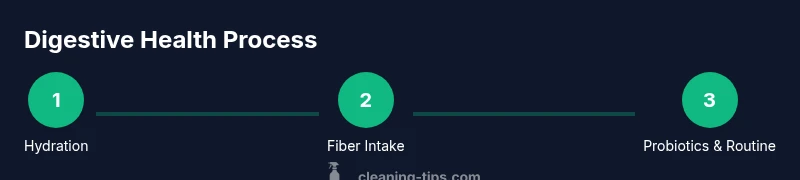
Safe digestion starts with simple, repeatable habits. Hydration is foundational: sip water steadily throughout the day rather than drinking large amounts at once. Prioritize fiber from a variety of sources—fruits, vegetables, whole grains, and legumes—so your gut microbiome gets a steady supply of nourishing substrates. Probiotic foods like yogurt, kefir, and fermented vegetables can support gut flora for some people, though effects vary. Regular meals help regulate appetite and blood sugar, which in turn can ease symptoms like bloating or irregularity. Finally, sleep and movement matter: even light daily activity can assist gut motility, and adequate rest helps the body recover and balance stress, which affects digestion. This section set the stage for a practical, daily routine that respects your body’s signals and avoids extreme cleansing practices.
Foods and beverages that support digestion
A gut-friendly menu emphasizes variety and balance. Include a mix of high-fiber plant foods (vegetables, fruits, whole grains, legumes) to feed beneficial gut bacteria and promote regularity. Hydration supports smooth digestion, so drink water with meals and between them. Probiotic-rich foods can help some people, though results differ from person to person. Gentle spices, such as ginger and turmeric, may provide minor soothing benefits for some stomachs. Fermented foods, when tolerated, can offer live cultures without harsh additives. Avoid highly processed foods, excessive added sugars, and large meals late at night. If you notice symptoms after certain foods, consider an elimination approach to identify triggers and reintroduce items slowly. This section offers concrete food and beverage ideas you can start incorporating this week.
Habits to avoid harmful cleanses
Extreme cleanses, laxatives, detox teas, and colon-cleansing regimens can disrupt the gut microbiome and lead to dehydration or electrolyte imbalance. The goal is sustainable digestion, not dramatic, unsafe detoxes. Do not rely on single food products as a cure-all; digestive health is an ongoing practice. If symptoms persist, avoid self-treatment and seek medical advice. In most cases, cautious adjustments to hydration, fiber intake, and meal timing are safer and more effective. This section highlights common traps and explains why they’re risky, helping you steer toward reliable habits instead.
A practical, day-to-day plan
This section offers a realistic, step-by-step daily routine you can start now. Begin with a simple morning hydration habit, choose fiber-rich meals for lunch and dinner, and add a short walk after meals. Aim for consistent meal timing and avoid overeating. Include a probiotic-containing food if tolerated, and keep a small notebook or app to track how your body responds to different foods. Over 7 days, you’ll begin to notice patterns in energy, digestion, and comfort. The goal is steady, observable improvement, not overnight transformation. Use this plan as a flexible framework and adjust based on how you feel and any professional guidance you receive.
Tracking progress and adjusting your plan
Progress in digestive comfort is highly individual. Start by noting daily water intake, fiber servings, feelings of fullness, bloating, and bowel regularity. If you notice persistent symptoms, consider a short trial period where you slightly adjust fiber type (soluble vs. insoluble), hydration timing, or meal size. Use a two-week window to observe changes before making bigger shifts. If symptoms worsen or new concerns arise, consult a healthcare professional. This section helps you build a data-informed approach to digestion that respects your body.
When to seek professional help
Most people benefit from moderate lifestyle adjustments, but persistent or severe stomach symptoms warrant medical evaluation. Seek care if you experience prolonged pain, unintentional weight loss, blood in stool, vomiting, difficulty swallowing, severe heartburn, or signs of dehydration. A clinician can assess for digestive disorders, food intolerances, or infections that require specific treatment. This section encourages readers to balance self-care with professional guidance when digestion does not improve with safe, gradual changes.
Common myths vs. reality
Myth 1: You must detox your stomach with drastic cleanses. Reality: Gentle, sustainable habits support digestion best. Myth 2: Probiotics cure all digestive issues. Reality: Benefits vary; some people respond well, others may see limited effects. Myth 3: If it hurts, you should push through. Reality: Pain with digestion warrants caution and professional advice. This section debunks common misconceptions and replaces them with practical, evidence-informed guidance.
Tools & Materials
- Water bottle(Reusable bottle with at least 1 liter capacity; sip regularly throughout the day)
- Fiber-rich foods assortment(Include fruits, vegetables, whole grains, and legumes; aim for variety)
- Live-culture probiotic foods(Yogurt, kefir, sauerkraut; include if tolerated)
- Balanced meal planning(A simple weekly plan to ensure fiber, protein, and healthy fats in each meal)
- Food diary or tracking app(Log meals and symptoms to identify triggers)
Steps
Estimated time: 30-60 minutes (initial setup); ongoing daily practice
- 1
Assess baseline habits
Record current hydration, fiber intake, meal timing, and energy levels. Note any recurring digestion-related discomfort. Understanding your starting point helps tailor safe improvements without overloading the system.
Tip: Use a simple daily log template to capture meals and symptoms. - 2
Increase hydration gradually
Add regular water intake across the day, pairing it with meals and snacks. Hydration supports digestion by aiding stomach acid balance and intestinal movement.
Tip: Carry a bottle and set reminder prompts to drink every 1–2 hours. - 3
Add fiber slowly
Introduce fiber sources gradually to avoid gas and bloating. Mix soluble and insoluble fibers from fruits, vegetables, and whole grains across meals.
Tip: Increase fiber by one serving every 3–4 days and monitor tolerance. - 4
Incorporate probiotic foods
Include yogurt, kefir, miso, or fermented vegetables if tolerated. Probiotics may support gut flora, but results vary among individuals.
Tip: Start with a small portion and observe how your body responds. - 5
Schedule meals and light activity
Eat at regular times and combine with a short post-meal walk to promote gut motility. Avoid large, late meals that can disrupt sleep and digestion.
Tip: Aim for 3 balanced meals and one light snack daily. - 6
Monitor progress
Track symptoms, energy, and comfort levels over 1–2 weeks. Use trends to refine fiber types and meal sizes.
Tip: If symptoms worsen, pause new changes and consult a clinician.
Questions & Answers
Is 'clean stomach' a valid medical term?
No. It's a lay term for digestive comfort and regularity, not a formal medical diagnosis. Digestive health is best approached with safe, evidence-based habits.
No, it's not a medical term; focus on safe daily habits for digestion.
What foods help digestion?
Fiber-rich foods, hydration, and balanced meals support digestion. Some people benefit from probiotic foods; results vary. Track personal responses to identify what works best.
Fiber and hydration usually help; monitor your own response to foods.
Are cleanses safe?
Extreme cleanses and detoxes can be unsafe and disrupt electrolytes and hydration. Stick to gradual lifestyle changes and consult a clinician for concerns.
Extreme cleanses are not recommended; talk to a clinician if worried.
How long does it take to see improvements?
Digestive comfort varies; some people notice improvements within a week, while others may take several weeks of consistent habits.
Results vary, but steady changes often show up in a few weeks.
Should I take probiotics?
Probiotics can help some individuals, but they are not a universal fix. Choose options based on tolerance and clinician guidance, and monitor effects.
Probiotics may help some people; not everyone needs them.
When should I seek professional help for stomach issues?
Seek help if you have persistent pain, weight loss, vomiting, blood in stool, or signs of dehydration. A clinician can assess for underlying conditions requiring treatment.
If symptoms persist or worsen, consult a healthcare professional.
Watch Video
The Essentials
- Start with safe foundations: hydration, fiber, and regular meals.
- Avoid extreme cleanses; opt for sustainable daily habits.
- Track how your body responds to foods and adjust gradually.
- Probiotics may help some people; effects vary by individual.
- Seek medical advice for persistent or severe symptoms.